Fatal Vision: The Jeffrey MacDonald Murder Case
How a Green Beret's claim of home invaders unraveled under forensic scrutiny
Quick Facts
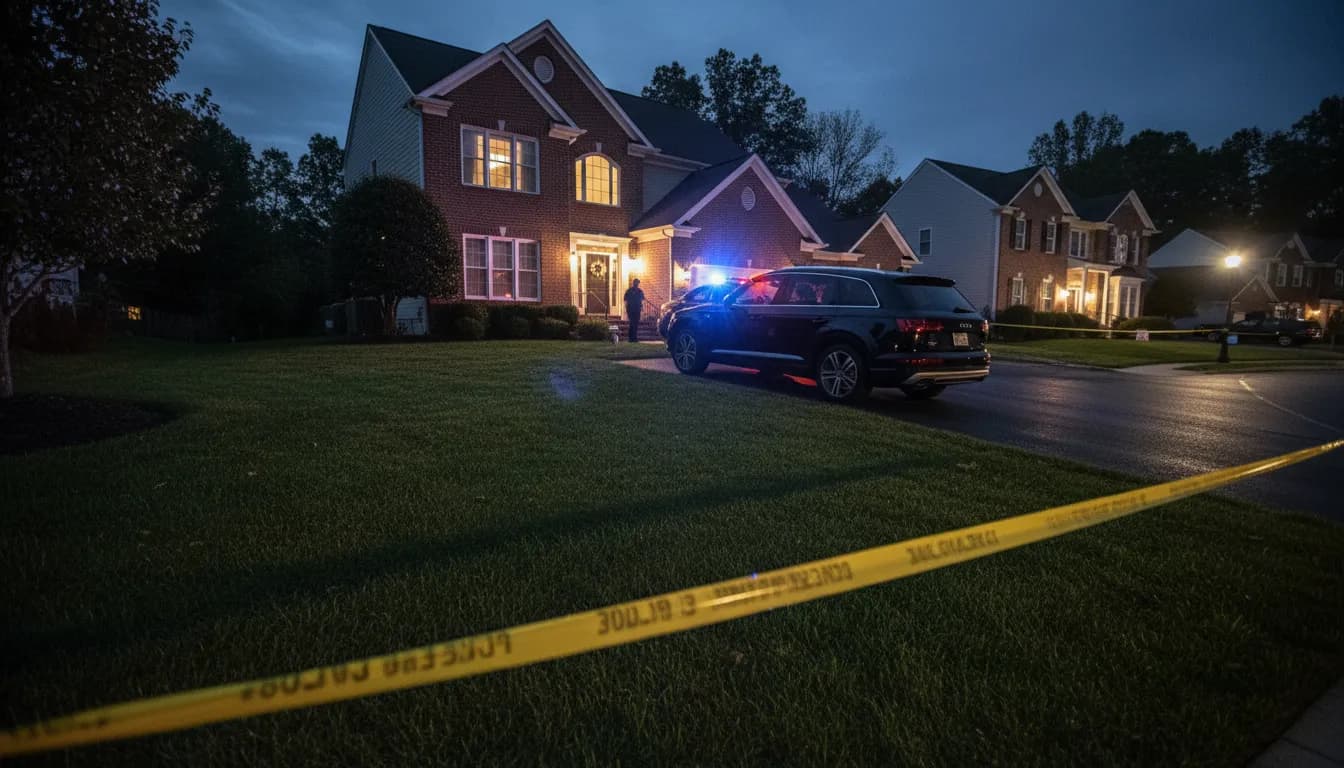
On the morning of February 17, 1970, military police responded to a call at 544 Castle Drive, a house in Fort Bragg, North Carolina's family housing. Inside, they found a devastating crime scene: Colette MacDonald, age 26 and five months pregnant, lay dead alongside her daughters Kimberley, five, and two-year-old Kristen. The sole survivor was Captain Jeffrey R. MacDonald, a Green Beret and medical doctor, who claimed he had been attacked by four intruders—three men and one woman—armed with knives, clubs, and ice picks.
MacDonald's account was straightforward. According to his statement, the assailants had entered through an unlocked rear door and launched a violent assault on the sleeping family. He said he fought back, sustaining injuries in the process, but was ultimately overwhelmed. The description of the female attacker—fair-haired, dressed in boots and a fringed jacket—would haunt investigators for years, spawning theories and leading detectives on lengthy tangents.
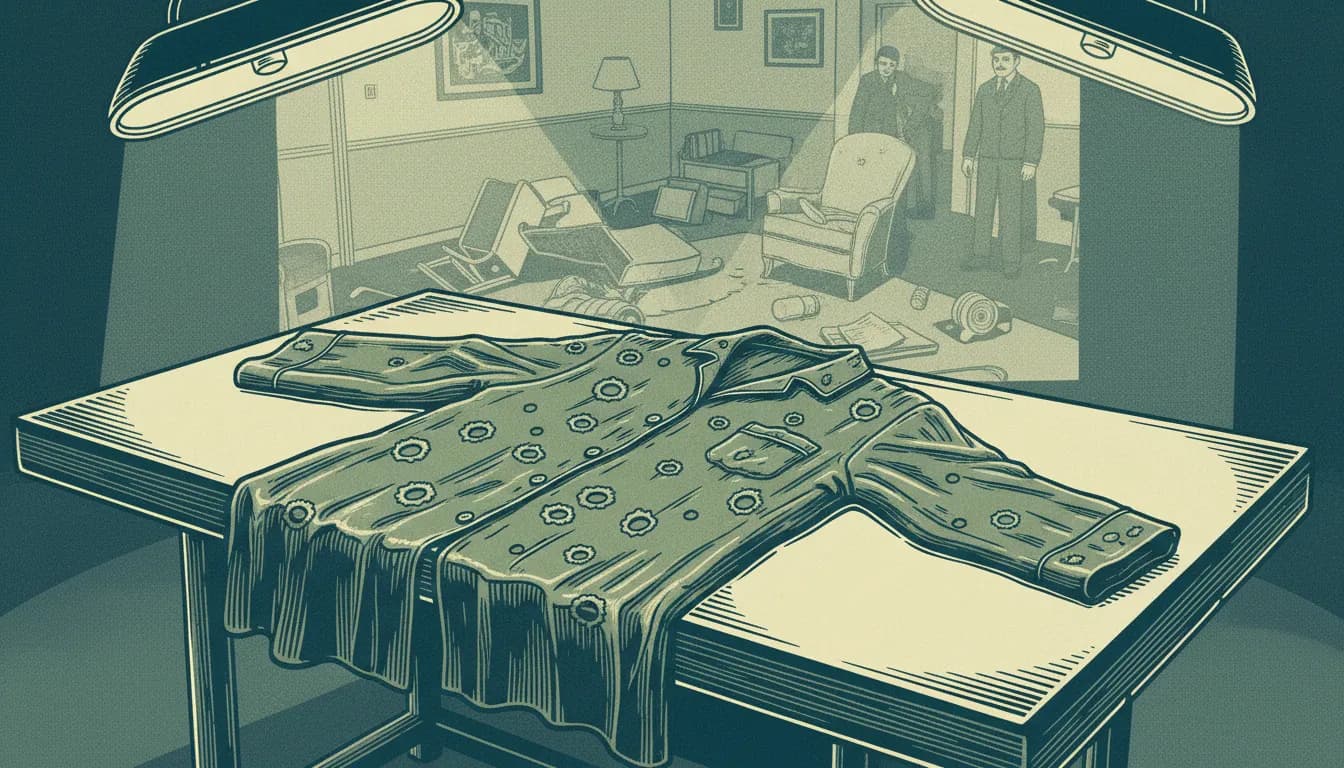
But the physical evidence at the scene told a different narrative. Forensic investigators recovered fabric threads from MacDonald's own pajama top beneath and around his wife's body. This discovery was critical: if MacDonald's account of defending himself in the living room against the intruders was accurate, threads from his pajamas should have been scattered throughout that space. They were not. The absence of pajama fibers in the living room contradicted his story of where the struggle occurred.
Further examination revealed damning details. Blood from both daughters was found on MacDonald's eyeglasses. His pajama top bore the marks of 48 ice pick holes; 21 of these matched the precise pattern of wounds found in Colette's chest. A bloody footprint belonging to MacDonald led away from his younger daughter's room.