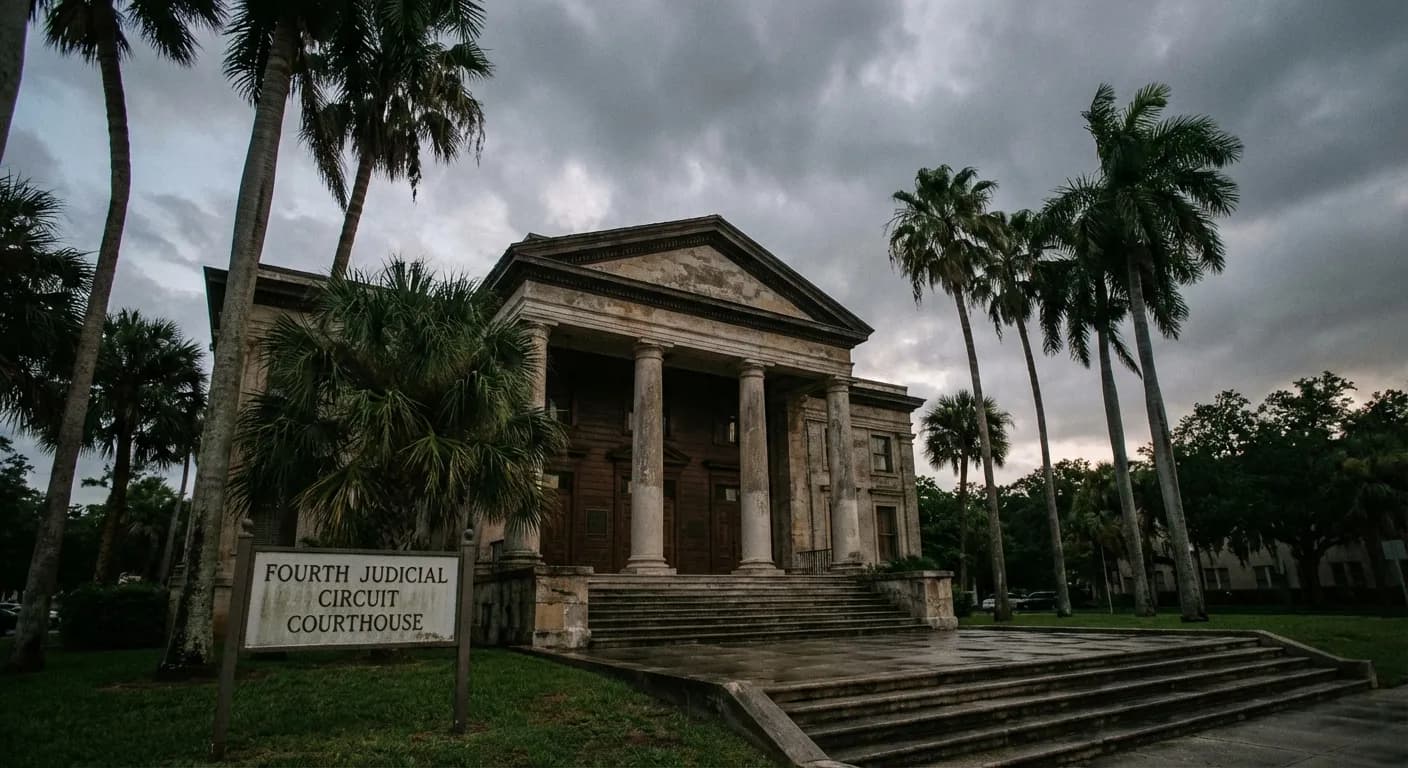
In 1987, 18-year-old Michelle Schofield's body was discovered in a phosphate pit in central Florida. Two years later, her husband Leo Schofield was convicted of her murder and sentenced to life in prison, where he remains incarcerated. But a groundbreaking podcast investigation has exposed the investigation that sent him away as fundamentally broken—riddled with ignored evidence, procedural failures, and prosecutorial shortcuts that left the actual killer unidentified for decades.
Pulitzer Prize-winning author Gilbert King has spent years unraveling the Bone Valley case, producing a 9-part narrative podcast that debuted in September 2022. The investigation reveals uncomfortable truths about how the original case was handled. The police work was sloppy. Critical evidence was disregarded. And while Leo Schofield sat in a cell for a crime he didn't commit, the person responsible walked free.
The breakthrough came when previously unidentified fingerprints from the crime scene were finally matched—15 years after Schofield's conviction—to Jeremy Scott, who was a teenager when Michelle was killed. Scott has since confessed to the murder, but by then an innocent man had already lost decades of his life to the Florida prison system.
King's investigation, produced by Lava for Good and Signal Co. No. 1, documents the layers of corruption, flawed investigative practices, and systemic failures that allowed this miscarriage of justice to occur. The podcast format allows King to weave together previously unheard interviews and detailed narrative storytelling that reveals how the original prosecution built its case on a foundation of sand—convicting the wrong person while missing critical evidence pointing to the actual perpetrator.
The Bone Valley case represents a troubling pattern in American criminal justice: a rush to conviction, inadequate investigation, and the dismissal of exculpatory leads. Leo Schofield's story is not unique, but thanks to King's meticulous work, it serves as a stark reminder of how easily innocent people can be trapped by a system that prioritizes quick closure over actual truth.
For international audiences, the case illustrates how criminal justice failures are not confined to any single country or legal system. The combination of investigative shortcuts, prosecutorial misconduct, and the inability—or unwillingness—to follow evidence wherever it leads creates conditions where innocent people are convicted while guilty ones remain undetected. It took nearly two decades and a Pulitzer Prize-winning author's dedication to begin correcting this injustice.