The Great Nordic Biker War 1994-97: Battle That Changed Law
How Hells Angels and Bandidos turned Scandinavia into a war zone
Sagsdetaljer
Quick Facts
Quick Facts
Two of the world's most notorious motorcycle clubs, Hells Angels MC and Bandidos MC, fought a bloody war on Scandinavian soil between 1994 and 1997. The conflict claimed 11 lives, resulted in 96 registered shooting incidents, and culminated in the use of military weapons on civilian territory. The Great Nordic Biker War became a defining moment in Danish legal history and laid the foundation for modern gang legislation.
The War's Escalation
The conflict between the two motorcycle clubs had international roots but produced particularly fatal consequences in Scandinavia. Denmark was hit hard by the violence with explosions in Dragør, Hellerup, Horsens, and Christiania. Bombings became the clubs' preferred weapon in the territorial battle, and the civilian population was increasingly affected by the consequences.
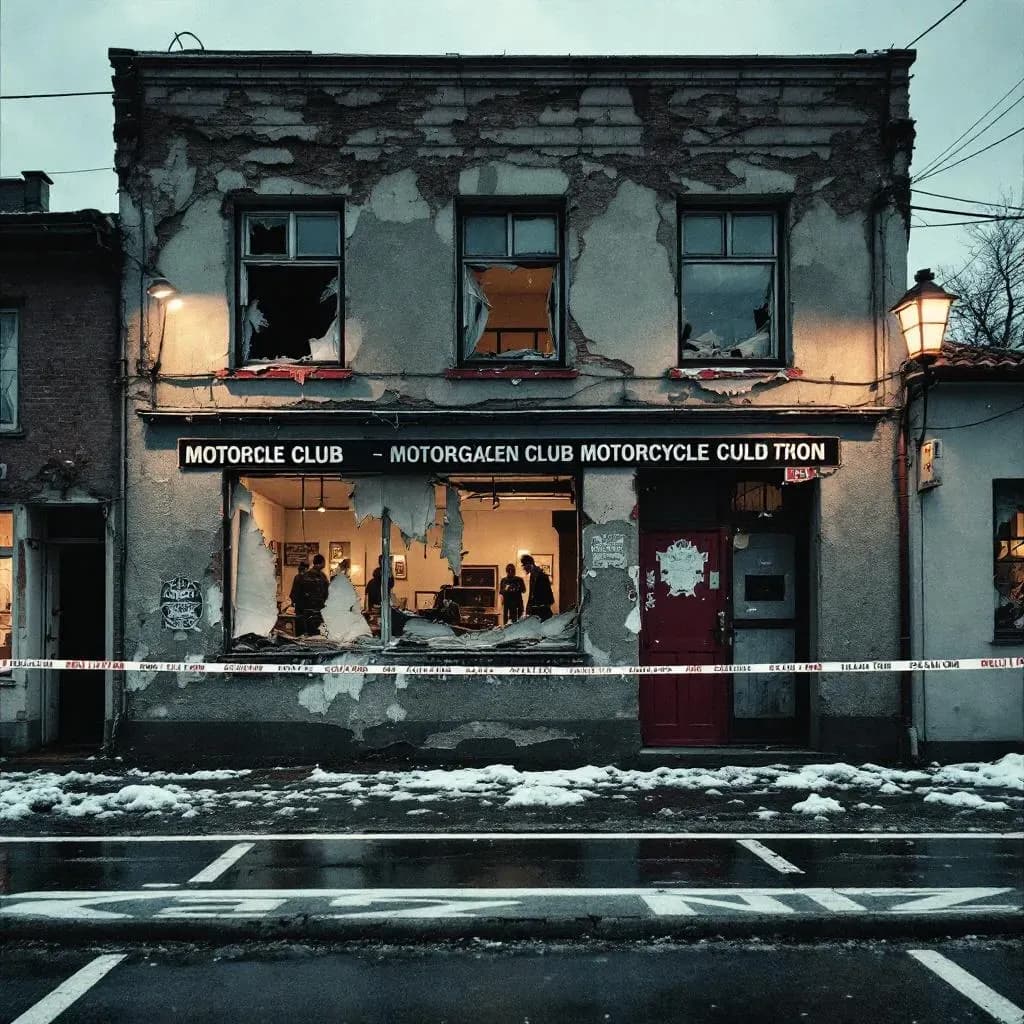
The escalation step that shocked both authorities and the public came in March 1996, when Bandidos members fired an anti-tank missile at Hells Angels' headquarters in Hamar, Norway. The weapon, normally reserved for military conflicts, marked an unprecedented level of violence in what was officially considered a civil society.
The most tragic incident occurred in Stenløse, where Hells Angels detonated a bomb at Bandidos' clubhouse. The explosion killed an innocent woman and illustrated the fatal flaw in the clubs' logic: the violence affected not only rival members but also random citizens.