AI og kriminalitet
The use of artificial intelligence systems as tools, means, or facilitators in the commission, concealment, or enablement of criminal offenses under existing federal and state criminal law
Definition
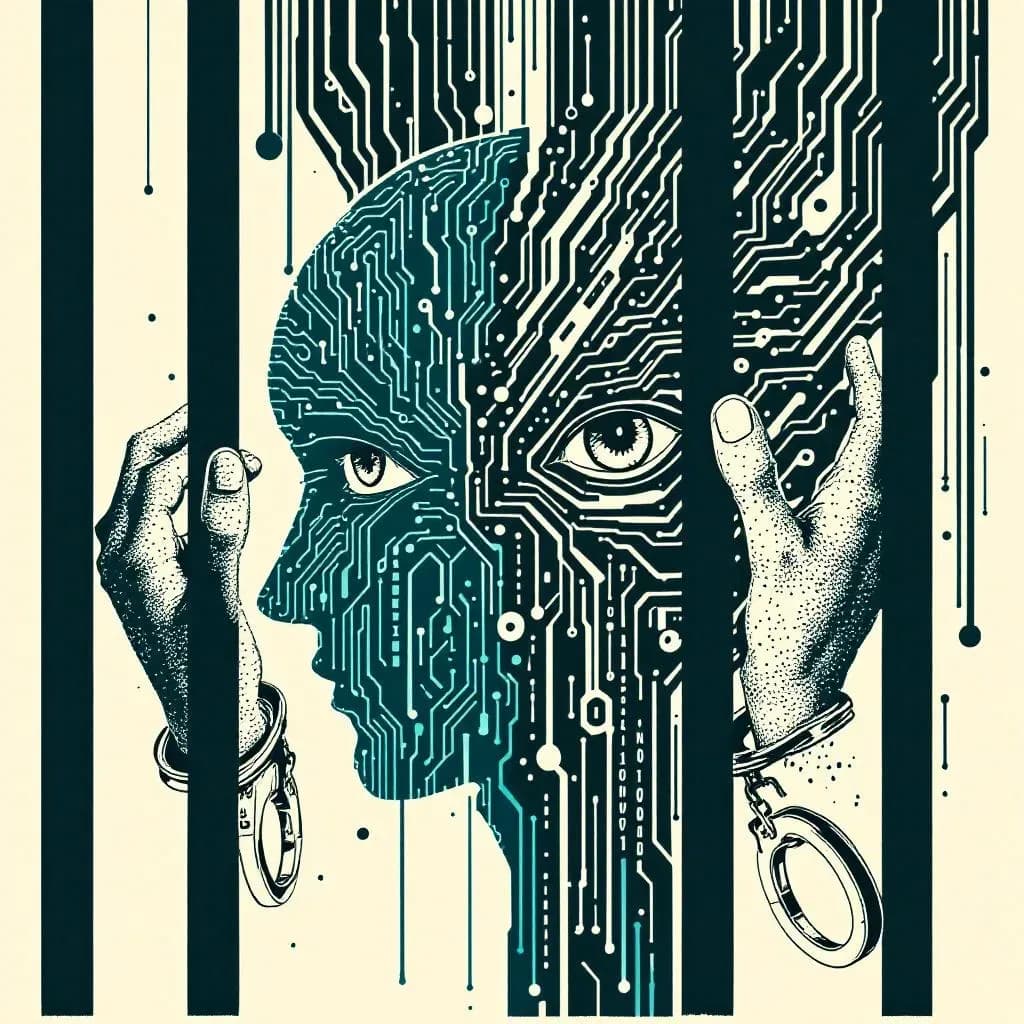
AI and crime refers to criminal conduct in which artificial intelligence systems function as instruments or methods for committing traditional offenses such as fraud, identity theft, computer intrusion, or harassment. Under U.S. federal law, there exists no discrete criminal category or statutory definition for AI-related crime; instead, prosecutions rely on existing statutes that criminalize the underlying conduct, regardless of whether a human actor employed AI technology in execution. The AI system itself is not treated as a perpetrator but rather as a tool comparable to software, scripts, or other technical means.
The primary federal statute governing computer-related crime is 18 U.S.C. § 1030, which prohibits unauthorized access to protected computers, fraud, and damage to computer systems. When AI is employed to gain unauthorized access, generate malicious code, automate phishing schemes, or manipulate data, federal prosecutors typically charge defendants under Section 1030 or related provisions such as wire fraud (18 U.S.C. § 1343) or identity theft (18 U.S.C. § 1028). The legal analysis focuses on the defendant's intent, the unauthorized nature of the access or conduct, and the resulting harm, not on the sophistication or autonomy of the AI tool used.
In true crime discourse, AI and crime encompasses a broader range of scenarios, including deepfake-enabled extortion, AI-generated child sexual abuse material, automated harassment campaigns, and algorithmic manipulation of financial markets. Law enforcement and prosecutors address these cases by applying existing legal frameworks: deepfakes may be prosecuted as identity theft, fraud, or violations of revenge porn statutes; AI-generated illegal content falls under existing child exploitation laws; and algorithmic trading abuses are charged as securities fraud.
The absence of AI-specific criminal statutes reflects the principle that criminal liability attaches to human conduct and intent, not to the tools employed. Courts and legislatures have not established a separate mens rea or actus reus standard for AI-facilitated crime. As AI technology evolves, some jurisdictions have introduced ancillary regulations—such as requirements for disclosure of AI-generated content or prohibitions on certain deepfake applications—but these measures supplement rather than replace traditional criminal law. The legal treatment of AI in criminal cases remains grounded in the determination of whether a human defendant knowingly used a technological means to commit a recognized offense.