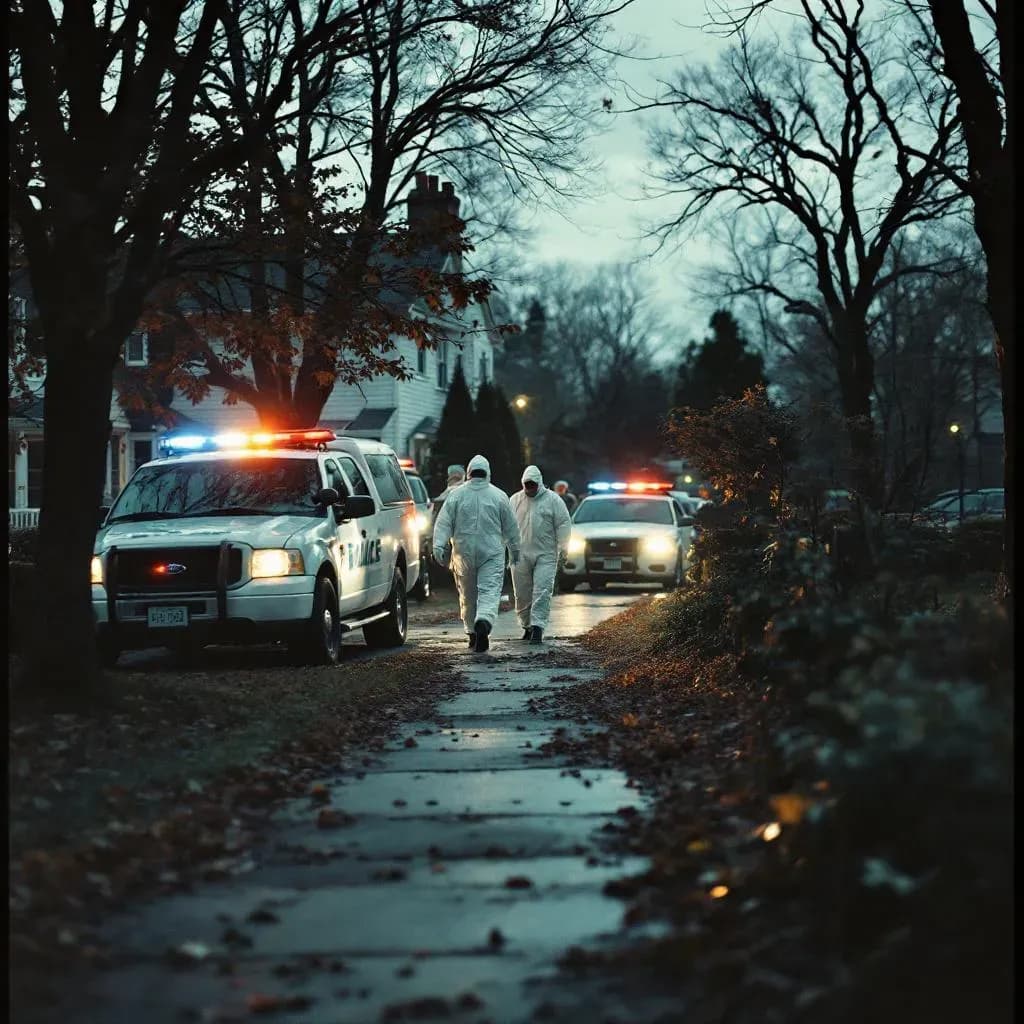
Criminal investigation
The systematic process of gathering, analyzing, and preserving evidence to determine whether a crime occurred, identify those responsible, and support prosecution.

Definition
A criminal investigation is the organized examination of facts, circumstances, physical evidence, and witness information conducted by law enforcement to establish whether a criminal offense has been committed and to identify the perpetrator. The process transforms raw observations and material into admissible evidence that can withstand legal scrutiny in court proceedings.
In the United States federal system, a criminal investigation may be initiated when facts or circumstances reasonably indicate that a federal crime has been, is being, or will be committed. This threshold is lower than probable cause and requires only an objective factual basis rather than a mere hunch or suspicion. Federal criminal investigators are individuals duly authorized by a federal department, agency, or armed force to conduct such investigations or prosecutions for violations of U.S. criminal laws.
The investigation process typically follows a structured methodology: securing the crime scene, documenting conditions through photography and diagrams, collecting physical evidence using forensically sound techniques, interviewing witnesses and suspects, reconstructing the sequence of events, and compiling findings into reports. Each step must maintain chain of custody and follow legal protocols to ensure evidence remains admissible.
Criminal investigations vary in scope from straightforward cases with clear evidence and witnesses to complex inquiries requiring specialized forensic analysis, surveillance operations, financial record examination, or coordination across multiple jurisdictions. The investigative team may include patrol officers, detectives, forensic specialists, prosecutors, and subject matter experts depending on the nature of the alleged offense.
The ultimate purpose of a criminal investigation is twofold: to establish the truth of what occurred and to gather sufficient evidence to support prosecution of the responsible individual or individuals. Investigators must balance thoroughness with constitutional protections, ensuring that evidence is obtained legally and that suspects' rights are preserved throughout the process.