Criminal Law
The body of law defining crimes, setting criminal procedures, and prescribing punishments. In true crime, it refers to the legal framework governing real-world prosecutions and convictions.
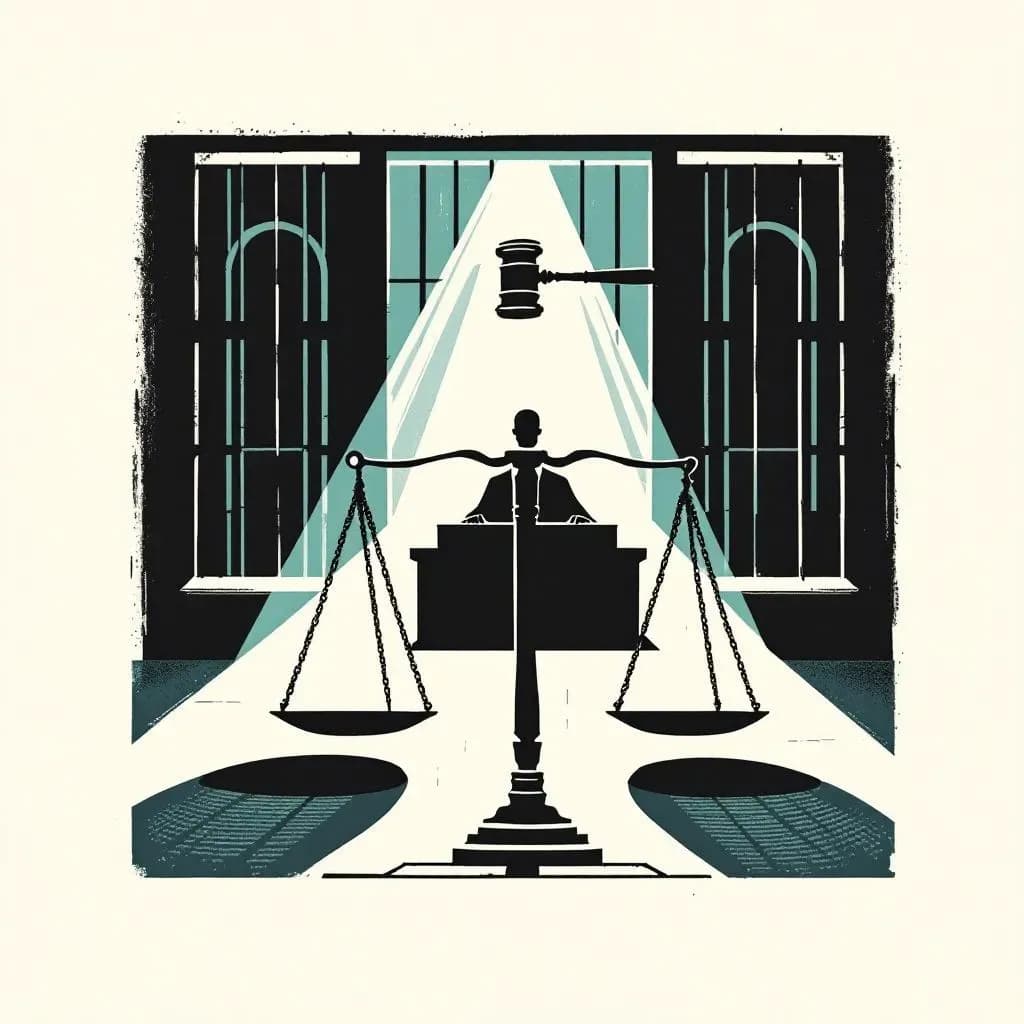
Definition
Criminal law is the body of law that defines conduct prohibited by the government, establishes procedures for investigating and prosecuting alleged offenders, and prescribes punishments for those convicted. Unlike civil law, which addresses disputes between private parties, criminal law concerns offenses against society as a whole, with the state acting as prosecutor on behalf of the public interest.
In the United States federal system, criminal law is primarily codified in Title 18 of the U.S. Code, which defines federal offenses ranging from fraud and terrorism to kidnapping and murder. Federal criminal law applies to crimes committed on federal property, offenses crossing state lines, violations of federal statutes, and crimes against the federal government itself. State criminal codes operate in parallel, addressing the vast majority of ordinary crimes such as robbery, assault, and homicide that occur within state boundaries.
Criminal proceedings follow the Federal Rules of Criminal Procedure in federal courts and similar procedural rules in state courts. These procedures govern everything from arrest and arraignment to trial and sentencing. A fundamental principle distinguishing criminal law is the burden of proof: the prosecution must establish guilt beyond a reasonable doubt, a significantly higher standard than the preponderance of evidence required in civil cases. This reflects the severity of criminal sanctions, which may include imprisonment, fines, probation, or in capital cases, death.
In true crime contexts, criminal law provides the framework through which real cases unfold. Investigators must gather evidence according to constitutional protections, prosecutors must charge defendants under specific statutes, defense attorneys challenge the state's case, and judges or juries determine guilt or innocence. The interplay between substantive criminal law (what acts are crimes) and procedural criminal law (how cases are processed) shapes every true crime narrative, from initial investigation through final appeal.