familiedrab
A homicide committed within a family or intimate-partner relationship. Not a formal term in U.S. federal criminal law, but commonly used in true crime contexts to describe domestic killings.
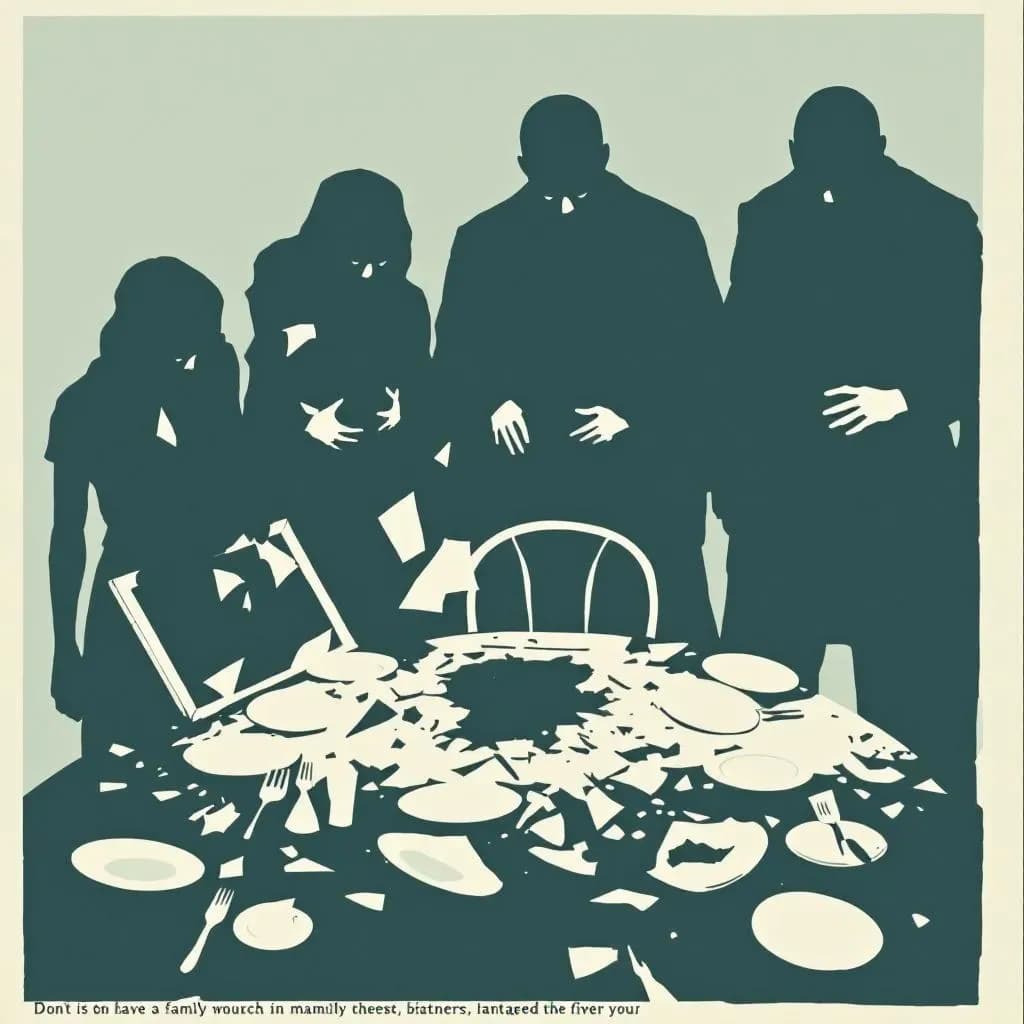
Definition
Familiedrab refers to the killing of a family member or intimate partner, though it is not a distinct legal category under U.S. federal law. Such homicides fall under general murder statutes when federal jurisdiction applies, or are prosecuted under state laws governing homicide and domestic violence.
Under federal law, the relevant framework combines general homicide provisions with domestic violence statutes. Murder is defined in 18 U.S.C. § 1111 as the unlawful killing of a human being with malice aforethought, carrying penalties up to death or life imprisonment for first-degree murder. This statute applies regardless of the victim's relationship to the perpetrator, meaning a killing within a family is charged as murder if federal jurisdiction exists—typically through commission on federal property, crossing state lines, or other jurisdictional triggers.
The domestic violence context is addressed separately in 34 U.S.C. § 12291(a), which defines domestic violence as felony or misdemeanor crimes committed by current or former spouses, intimate partners, or other persons covered by applicable domestic violence laws. This statute primarily governs federal funding and programs rather than creating a standalone criminal offense. When a domestic homicide occurs, prosecutors apply standard murder statutes while potentially considering the domestic relationship as context for sentencing or charging decisions.
In true crime discourse, familiedrab encompasses various scenarios: spousal murders, filicides (killing of children by parents), parricides (killing of parents by children), and killings of other family members. The legal consequences depend entirely on the jurisdiction and specific circumstances, not on the familial relationship itself. Federal prosecution remains relatively rare for such cases, with most handled by state criminal justice systems under their respective homicide and domestic violence statutes.
Related entries
Cases
No cases yet.