politiet
Collective term for law enforcement agencies and officers authorized to enforce criminal law, investigate crimes, and make arrests in the United States, spanning local police departments, state police, and federal law enforcement agencies.
Definition
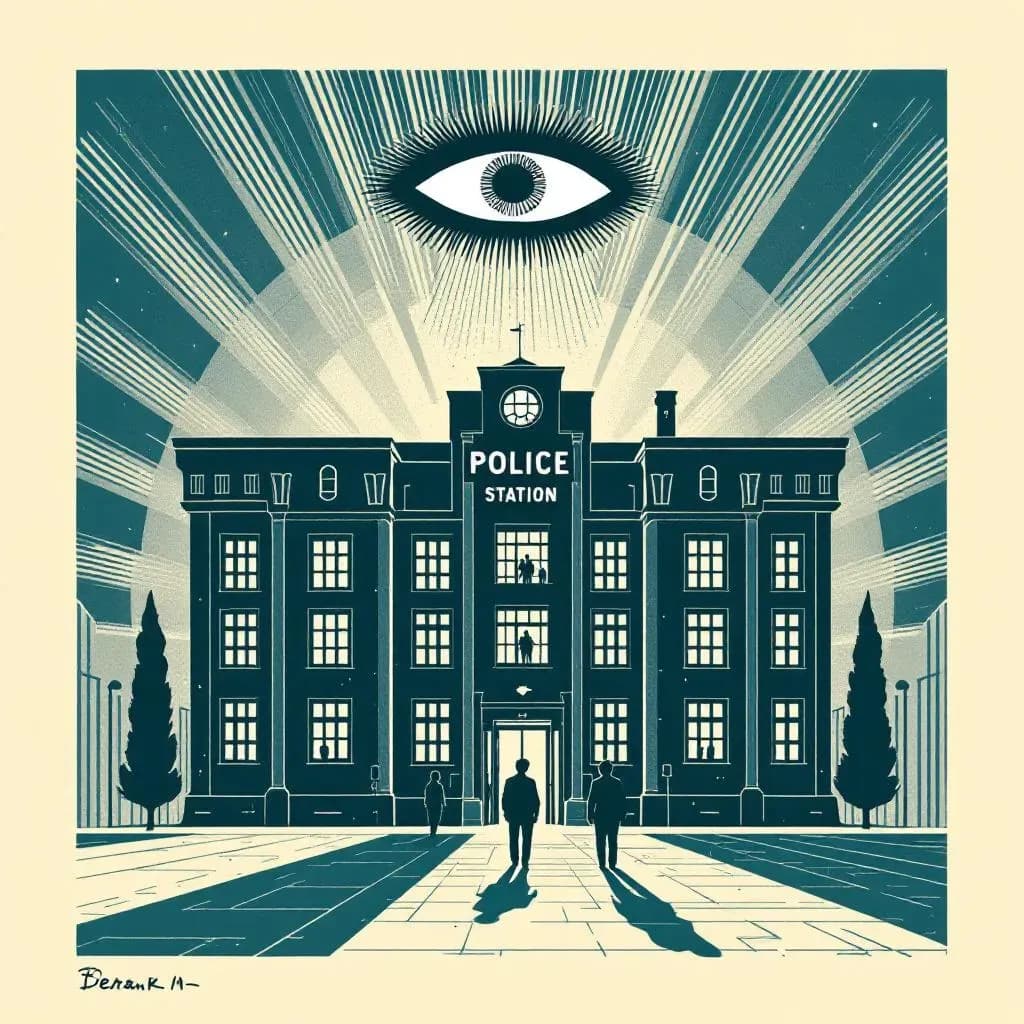
In American criminal law and true crime context, "politiet" (the police) refers to law enforcement: the public authorities and officials empowered to enforce criminal statutes, investigate offenses, and conduct arrests. Unlike many countries with centralized national police forces, the United States operates a fragmented system where policing authority is distributed across thousands of separate agencies at local, state, and federal levels.
Local police departments serve municipalities and counties, constituting the vast majority of law enforcement agencies and personnel in the country. State police or highway patrol agencies have jurisdiction across entire states, typically focusing on highway safety, state-level criminal investigations, and assistance to local departments. At the federal level, numerous specialized agencies enforce specific categories of federal law: the Federal Bureau of Investigation (FBI) handles major federal crimes and terrorism; the Drug Enforcement Administration (DEA) enforces drug laws; the Bureau of Alcohol, Tobacco, Firearms and Explosives (ATF) regulates those areas; and the U.S. Marshals Service handles fugitive apprehension and federal court security, among many others.
This decentralized structure reflects the constitutional division of powers in the United States. State governments retain general "police powers" — the inherent authority to regulate for public health, safety, and welfare — while the federal government possesses only those law enforcement powers specifically granted by the Constitution or federal statute. Consequently, which "police" agency has jurisdiction over a particular crime depends on whether the offense violates local, state, or federal law, and where it occurred.
Federal law defines law enforcement officers functionally rather than through a single comprehensive statute. Under 18 U.S.C. § 115(c)(1), for example, a federal law enforcement officer is an official authorized to conduct investigations of, or make arrests for, violations of federal criminal law. Similar functional definitions appear throughout federal criminal and procedural codes, typically emphasizing arrest authority and investigative responsibility as the defining characteristics of police status.
In true crime contexts, understanding which law enforcement agency investigated a case is often critical to understanding jurisdiction, available resources, applicable procedures, and the legal framework governing the prosecution. Major crimes may involve coordination among multiple police agencies across different governmental levels, particularly when offenses cross state lines or involve both state and federal violations.