Inside Denmark's Hidden Terror Networks
A journalist's investigation into how Islamist extremism took root in Danish cities
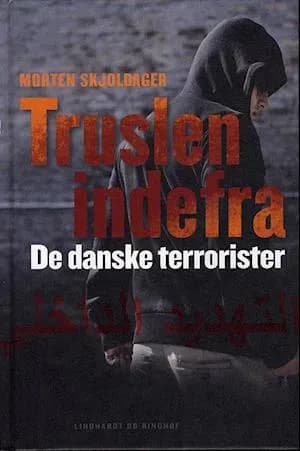
Danish journalist Morten Skjoldager spent years investigating the murky world of homegrown terror in Denmark, resulting in the 2009 publication of *The Threat Within – The Danish Terrorists*, a comprehensive examination of how Islamist extremism gained a foothold in the country's major cities.
Skjoldager's investigation centers on four pivotal cases that collectively illustrate the radicalization pathways available to vulnerable young men in Denmark. The Egyptersagen (Egypt Case) in Aarhus from 1993 marks one of the earliest documented instances, while the Glostrup, Vollsmose, and Glasvej cases provide additional perspectives on how terror networks developed across different geographic and social contexts.
What distinguishes Skjoldager's work is his access to previously unpublished material from PET, Denmark's Security and Intelligence Service. The journalist conducted extensive interviews with PET officials and reviewed classified reports, allowing him to map connections between seemingly isolated terror plots that authorities had been tracking separately. This behind-the-scenes access revealed how various groups of young Muslim men coordinated activities, shared ideological influences, and progressed from radical rhetoric to actionable planning.
The book traces radicalization across multiple environments—from organized religious spaces like mosques to intimate domestic settings in bedrooms and, increasingly, through online chatrooms where ideology could spread rapidly and anonymously. Skjoldager's reporting demonstrates how Al Qaeda's global messaging resonated with specific Danish communities, creating a pipeline from international terror networks to local recruitment efforts.
One of Skjoldager's key contributions is contextualizing Denmark's terror cases within broader European patterns. By examining how radicalization occurred in the Scandinavian context, he illuminates factors unique to Denmark's integration challenges, religious demographics, and security vulnerabilities. The research draws on both Danish and international sources, positioning these domestic cases within the wider post-9/11 landscape of Western terror threats.