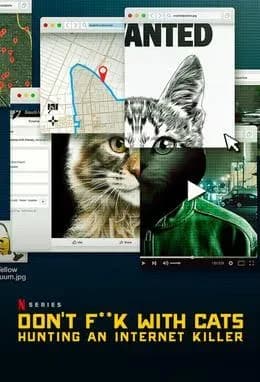
Don't F*** with Cats: How Internet Sleuths Caught a Killer
Netflix's viral docuseries reveals how amateur investigators tracked Luka Magnotta across continents following animal cruelty videos and murder
In December 2019, Netflix released Don't F*** with Cats: Hunting an Internet Killer, a three-part true crime docuseries directed and written by Mark Lewis that became one of the platform's top five most-watched documentaries that year. The series documents an unprecedented convergence of crowdsourced internet investigation and real-world law enforcement, following the hunt for a killer across multiple continents.
The story begins in 2010 with a viral video titled "1 boy 2 kittens," posted across Facebook and YouTube, showing a man suffocating two kittens inside a vacuum-sealed bag. Magnotta continued posting animal cruelty content—videos depicting kittens being drowned and fed to a python—that shocked and enraged online communities. These graphic clips became the catalyst for what would evolve into an international manhunt.
What distinguishes this case is the role played by amateur internet detectives. A loosely organized group of online investigators, including data analyst Deanna Thompson (who operated under the pseudonym Baudi Moovin) and John Green from Los Angeles, formed a Facebook group to meticulously analyze video details. They examined background objects, scrutinized blurred images, and traced fake profiles linking to "Catch Me If You Can" trailers. Their methodology was forensic in nature, despite their lack of official law enforcement training.
The investigation took a sinister turn in May 2012 when Magnotta uploaded a video depicting the torture and murder of Jun Lin, a 33-year-old computer engineering student from China studying at Concordia University in Montreal. Shortly after, Magnotta dismembered Lin's body and mailed the severed feet and hands to the headquarters of Canada's Conservative and Liberal Parties, as well as to two elementary schools. The escalation from animal abuse to homicide signaled that the internet sleuths' efforts had uncovered something far more serious.