True crime news logo

Sign up for our newsletter and get the latest stories

Never miss the latest true crime news, reviews and top lists — plus new podcasts, series, films and books.

You can unsubscribe with one click from any email.

True crime news logo

The international true crime destination. Cases, documentaries, podcasts and travel routes.

© 2026 truecrime.news. All rights reserved.

Mørkeland — episode 364 — The Natascha Kampusch case
Podcast
•
March 17, 2026 at 02:29 PM

The 3,096 Days: Inside Natascha Kampusch's Basement Prison

How a 10-year-old Austrian girl survived over eight years of captivity in a soundproof cellar built by her abductor

Host
Susanne Sperling
Redaktør
Mørkeland
RadioPlay

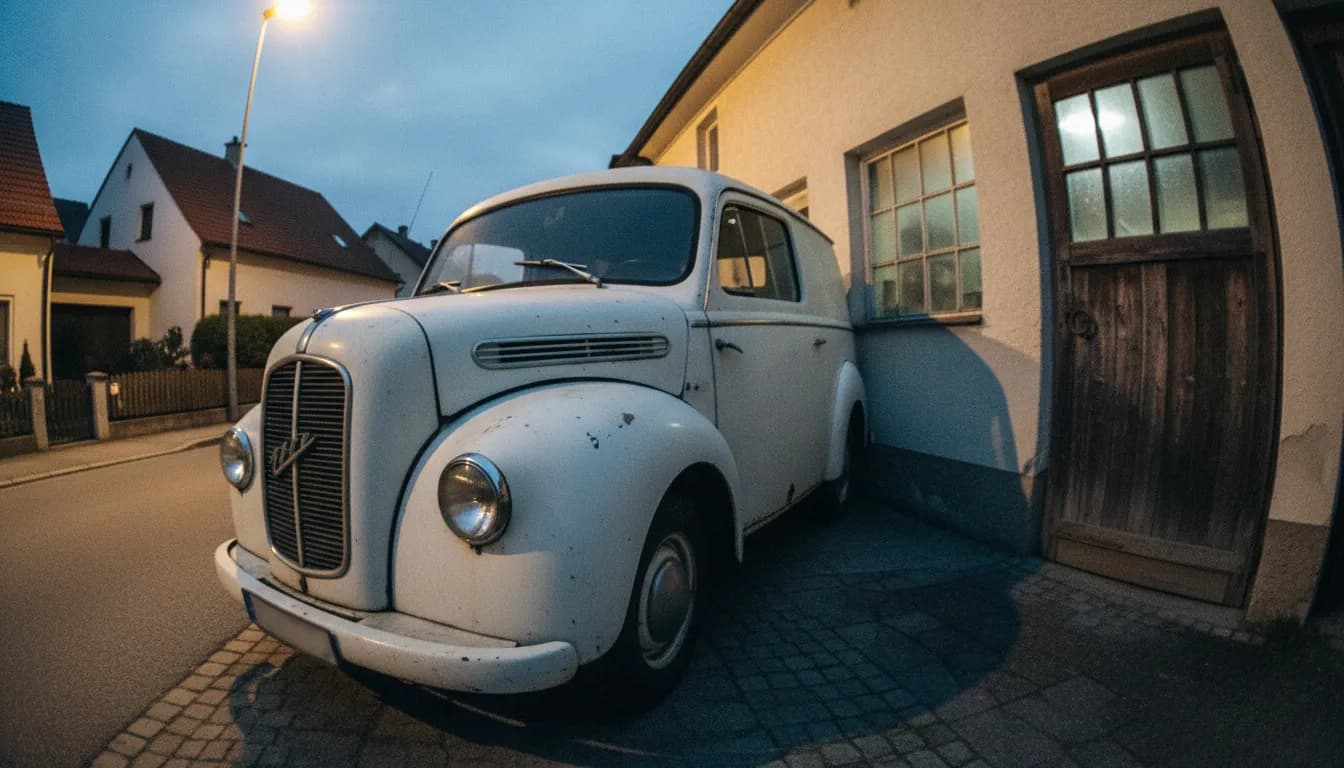
On March 2, 1998, ten-year-old Natascha Kampusch disappeared on her way to school in Austria. The previous day, she had left home following an argument between her parents—a decision that would alter the course of her life forever. She was snatched by Wolfgang Přiklopil, a computer technician who had constructed an elaborate prison beneath his suburban garage near Vienna.

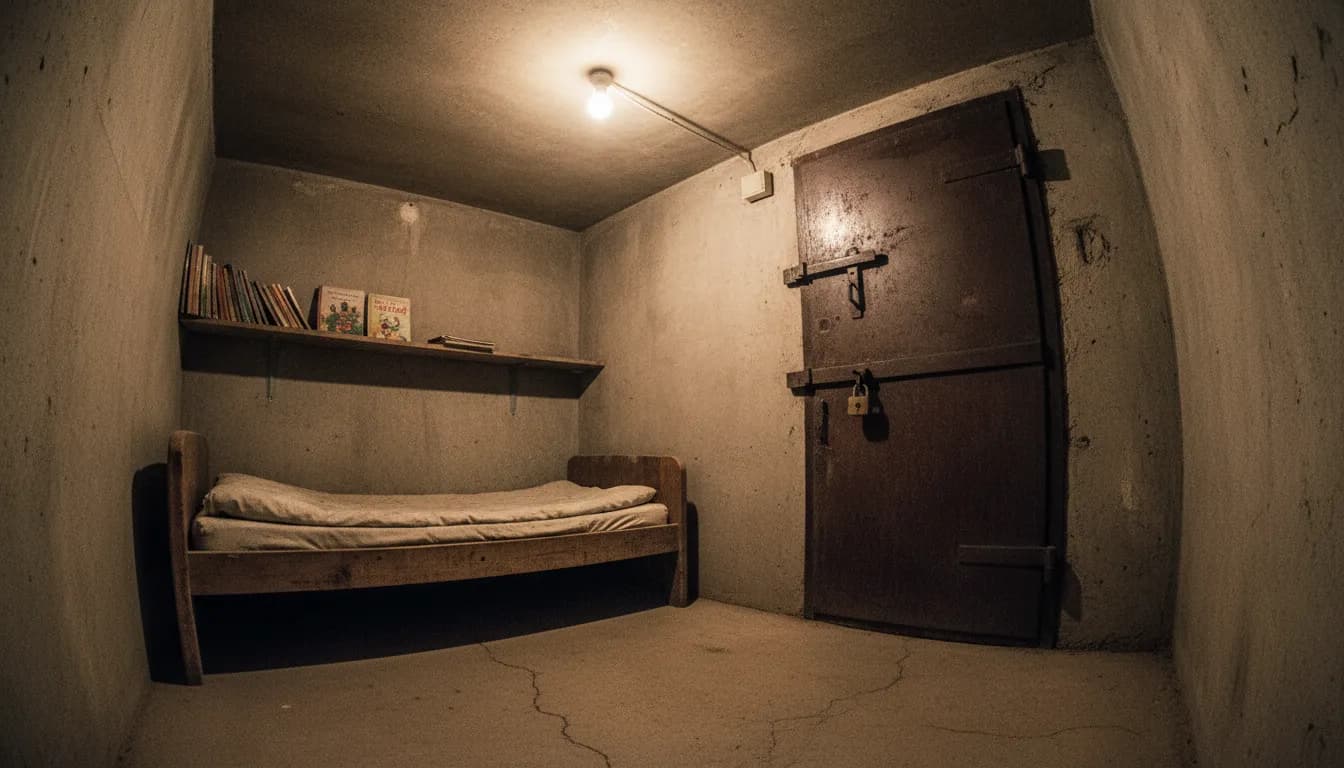
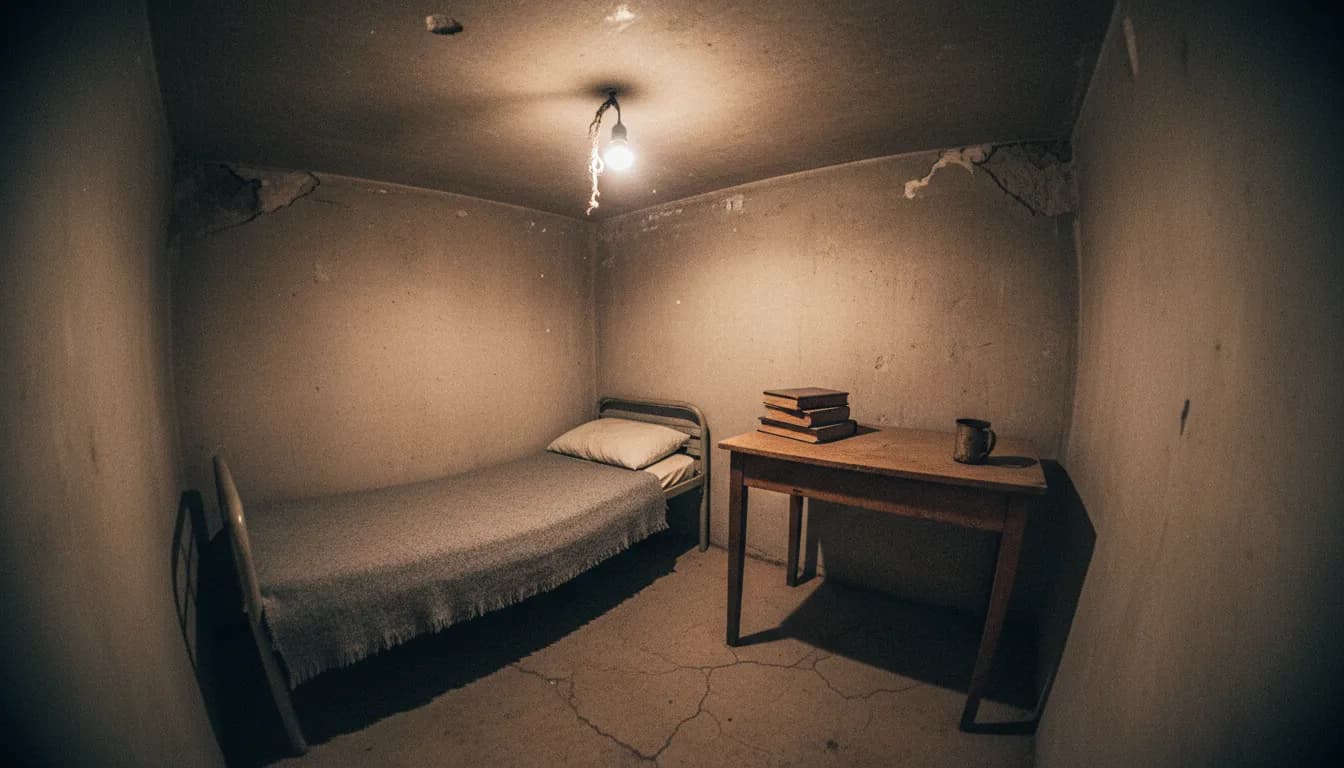
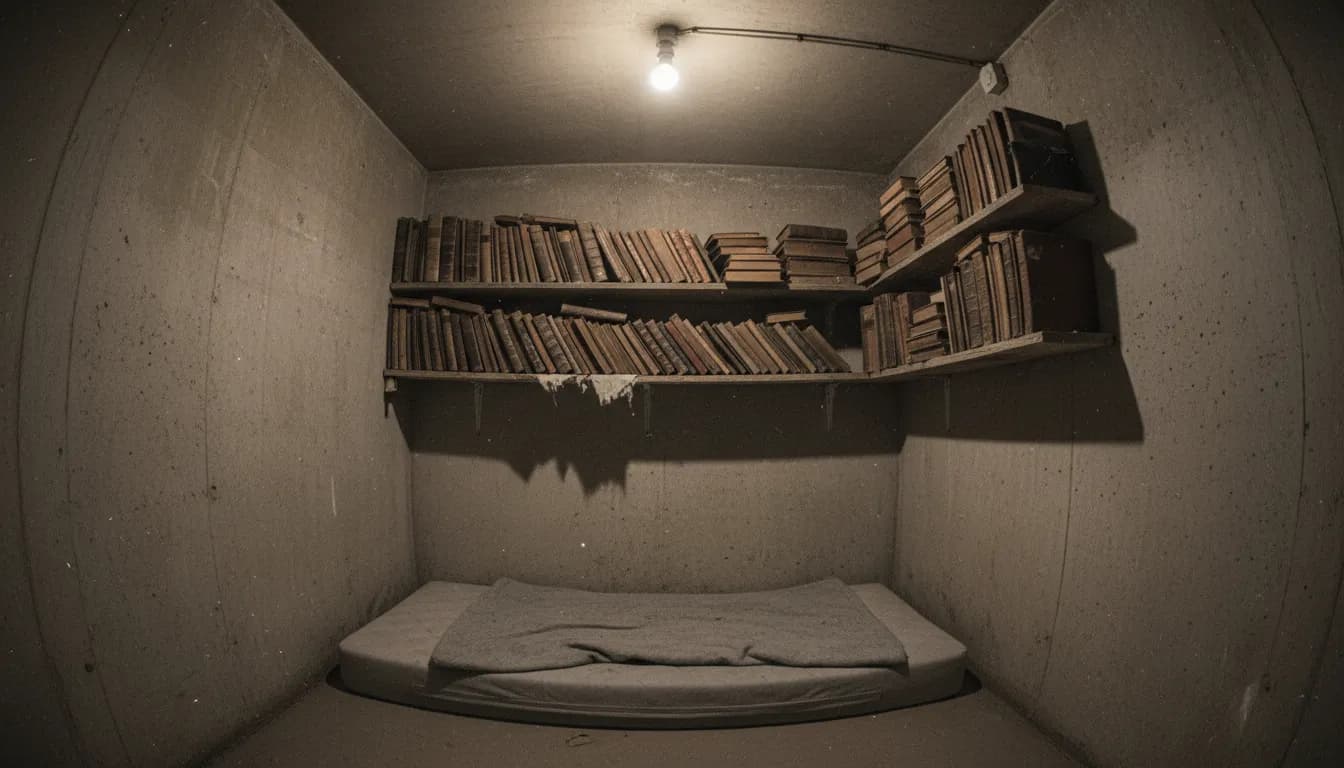
Přiklopil's captive space was a masterwork of control and isolation. Accessed through a trap door in the garage, then down narrow stairs and behind a cupboard concealing a small steel hatch, the basement room measured only a few square meters. It was soundproof, windowless, and designed to be invisible to the outside world. For the first six months of her captivity, Natascha never left this cell. Later, she was permitted to venture upstairs during daylight hours to cook and clean, but each night she was returned to the basement.

Over 3,096 days—more than eight years—Natascha endured systematic abuse. Přiklopil beat her severely with kicks and punches, starved her to keep her weak and compliant, and subjected her to sexual violence. To prevent escape, he warned her that the house was booby-trapped with explosives and claimed to carry a gun he would use to kill her and her neighbors if she tried to flee.

Despite the physical and psychological control, Natascha demonstrated remarkable resilience. She attempted to signal for help by throwing water bottles to make noise. In her mind, she fantasized about escape and imagined harming her captor. As she matured during her imprisonment, she learned a crucial survival strategy: feigning affection toward Přiklopil to manipulate him and secure small privileges—occasional outings such as a brief skiing trip near Vienna or supervised access to the garden.

The dynamic of captivity shifted as Natascha aged and Přiklopil's control methods evolved. She was forced to sleep in his bed, restrained by her wrists, enduring what she later described as "cuddling" but which constituted rape and sexual abuse. Despite these horrors, Natascha maintained enough presence of mind to present a façade of attachment, understanding that compliance offered her survival and marginal improvements in her conditions.

On August 23, 2006, while Přiklopil was distracted using a hedge trimmer outside, Natascha seized her moment. She fled the house and escaped her captor. Within hours, Wolfgang Přiklopil took his own life, denying justice systems and investigators the opportunity to question him or bring formal charges.
Austria
Natascha Kampusch
The Mørkeland hosts
The abduction of Natascha Kampusch
1998-2006
international affairs
Danish criminal cases
Wolfgang Priklopil
The kidnapping of Natascha Kampusch
The Natascha Kampusch case (2006)
mordssag
justitssvigt
justitsmordet
hvidvaskning
mordsager
sundhedsbedrageri
True Crime Podcast 2026
narkotikasag
narkotikamissbrug
partnervold

Natascha's survival did not end her ordeal—it transformed it. She later authored the autobiography *3,096 Days*, detailing her experience with unflinching honesty. She became a talk show host and has granted interviews to international media, including journalist Rahni Sadler, helping the world understand the psychological architecture of long-term captivity.

Perhaps most remarkably, Natascha owns the house where she was imprisoned. She has refused to sell it, fearing it would become a macabre tourist attraction. Instead, she has granted limited media access, including to the basement itself, ensuring the story remains one of survival and resilience rather than spectacle.

The case of Natascha Kampusch stands as a testament to human endurance and the capacity to survive unimaginable circumstances. Her escape marked the end of captivity but the beginning of a different kind of journey—one focused on healing, truth-telling, and ensuring that her 3,096 days in darkness were not forgotten.

**Sources:**

https://www.aetv.com/articles/natascha-kampusch-abduction

https://podcasts.apple.com/us/podcast/how-natascha-kampusch-survived-eight-years-in-captivity/id1469153910?i=1000761641636

https://www.youtube.com/watch?v=RGRXIhBL1cg

https://en.wikipedia.org/wiki/Natascha_Kampusch

https://www.youtube.com/watch?v=KZdy3kaBNLw

Read more

Mørkeland — episode 365 — Natascha Kampusch and Wolfgang Priklopil
Podcast Episode

Natascha Kampusch: 8 Years in a Hidden Basement

Mørkeland — episode 363 — Natascha Kampusch
Podcast Episode

3,096 Days in a Cellar: The Natascha Kampusch Case

Mørkeland — episode 304 — Wolfgang Priklopil and Natascha Kampusch
Podcast Episode

Danish True Crime Podcast Mørkeland Explores Swedish Crimes

Related Content
Mørkeland — episode 365 — Natascha Kampusch and Wolfgang Priklopil

Natascha Kampusch: 8 Years in a Hidden Basement

Mørkeland — episode 363 — Natascha Kampusch

3,096 Days in a Cellar: The Natascha Kampusch Case

Mørkeland — episode 304 — Wolfgang Priklopil and Natascha Kampusch

Danish True Crime Podcast Mørkeland Explores Swedish Crimes

Mørkeland — episode 298 — Natascha Kampusch and Wolfgang Priklopil

Escape and Grave Desecration: Two Cases from Danish Psychiatric Hospital

Advertisement
SS

Susanne Sperling

View all stories →
Share this post: