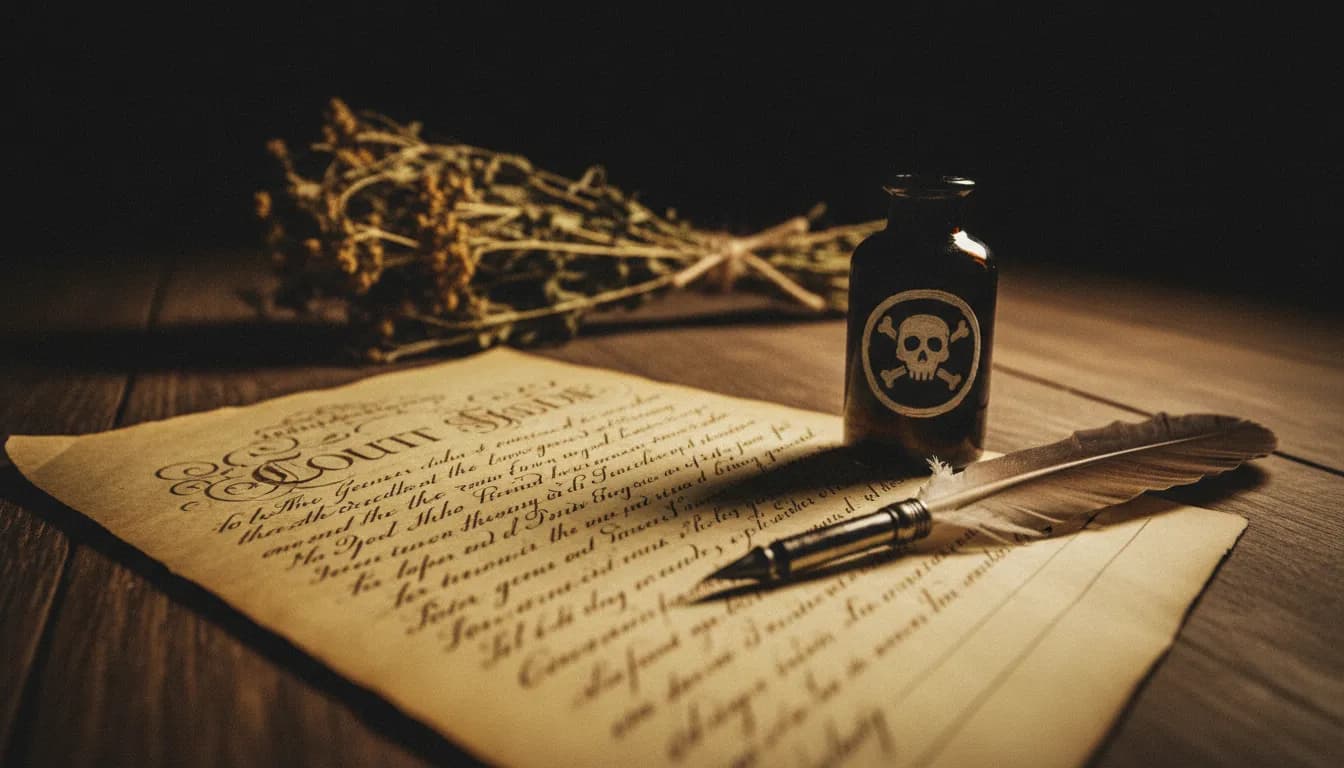
Denmark's relationship with witch hunts remains a significant but often overlooked chapter in European history. The Mørkeland podcast, an audio series available on major podcast platforms, focuses specifically on cases from Fyn—a Danish island—where accusations of witchcraft and poisoning shaped lives and ended in conviction.
While witch hunts swept across Europe between the 15th and 18th centuries, claiming thousands of lives, Denmark's experience reflected both broader continental patterns and distinctly local circumstances. The cases examined through Mørkeland offer insights into how ordinary people became entangled in accusations rooted in superstition, misfortune, and desperation.
The podcast investigates how suspicion of poisoning—giftmord in Danish—became intertwined with witchcraft accusations. In early modern communities, sudden deaths, illness, and misfortune were often attributed to malevolent supernatural forces rather than natural causes or accident. Women, particularly those living on society's margins, became targets of these accusations.
Fyn's historical record reveals patterns consistent with witch hunts across Scandinavia and Northern Europe. The podcast draws on archival sources and historical scholarship to reconstruct cases where alleged witches faced trial, conviction, and execution. These narratives illuminate the mechanisms of fear that operated in communities where unexplained tragedy demanded explanation and blame.
The relationship between witchcraft accusations and poison murder allegations underscores a critical historical reality: those accused were often blamed for deaths they did not cause. Distinguishing between deliberate poisoning and natural death was impossible without modern toxicology. Suspicion, combined with cultural beliefs about witchcraft, created a framework in which guilt was presumed and evidence was interpreted through a lens of supernatural agency.
Denmark's final witch execution occurred in the 17th century, marking the gradual decline of judicial witch hunts in the realm. However, popular belief in witchcraft persisted for generations beyond official legal proceedings. The Mørkeland podcast examines this transition and the lasting impact on those accused and their communities.
For international audiences, these Danish cases serve as reminders that witch hunts were not confined to regions like Salem or the German-speaking territories. They occurred across Europe, including Scandinavia, and reflected universal human responses to uncertainty, loss, and the need to assign blame. The podcast contributes to a fuller understanding of this historical phenomenon by documenting specific Fyn cases that might otherwise remain obscure outside Denmark.