The Dingo Case: 32 Years Fighting for Innocence
How Lindy Chamberlain's wrongful conviction became one of Australia's most infamous miscarriages of justice
Sagsdetaljer
Quick Facts
Quick Facts
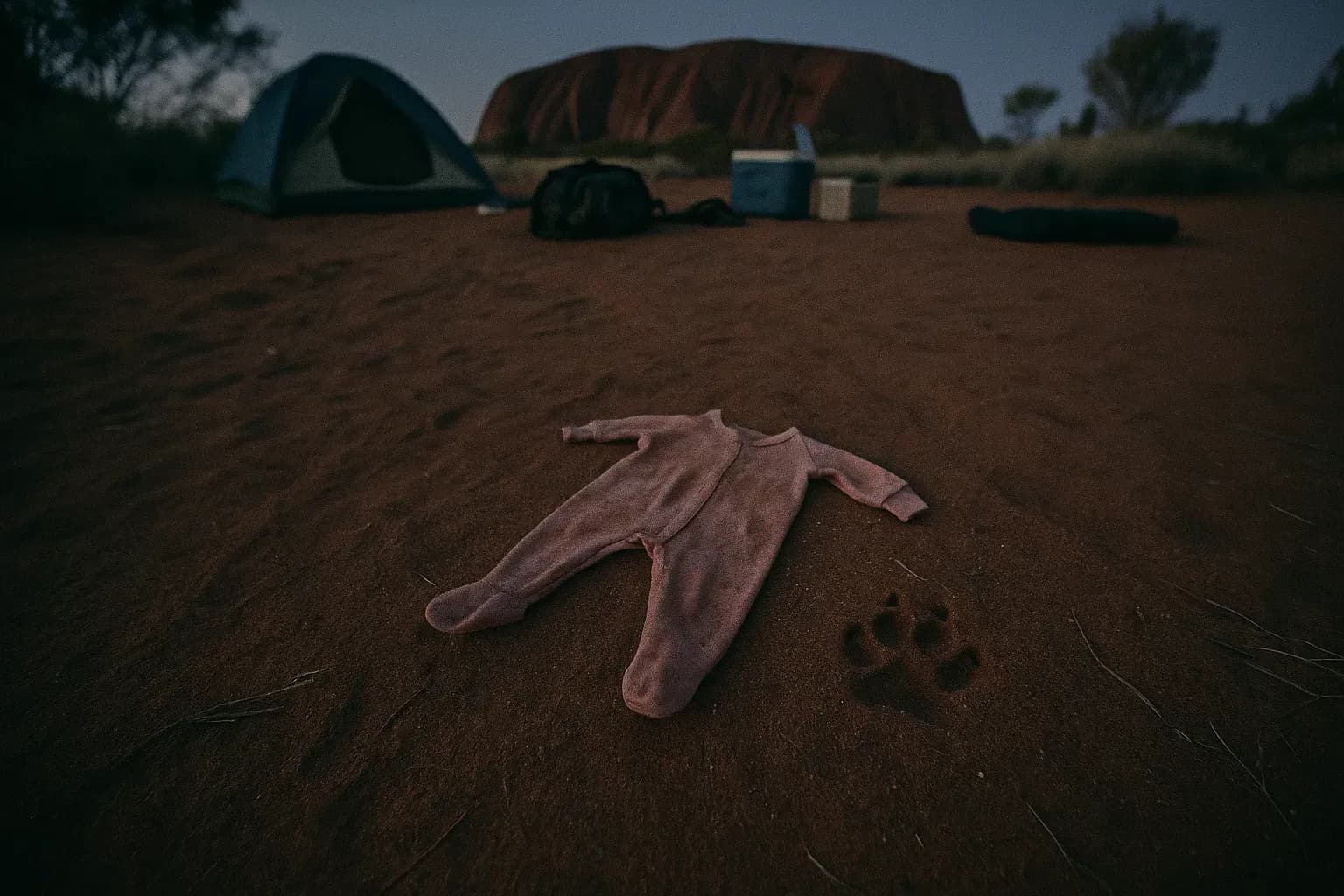
On August 17, 1980, nine-week-old Azaria Chamberlain vanished from a tent at a campsite near Uluru, also known as Ayers Rock, in central Australia's remote interior. Her mother, Lindy Chamberlain, reported that a dingo—Australia's wild dog—had taken her daughter. What followed was a legal nightmare that would captivate the world and expose the fragility of criminal justice.
The initial investigation treated Lindy's account with skepticism. Suspicion mounted, and in 1982, she was convicted of murder and sentenced to life imprisonment. Her husband, Michael Chamberlain, was convicted as an accessory and given an 18-month suspended sentence. The case became an international sensation, raising troubling questions about how evidence was gathered, presented, and believed.
Lindy Chamberlain maintained her innocence throughout her ordeal. She served three years in prison before new evidence prompted a case reopening in 1987. The conviction was overturned, and she was acquitted and released. But the legal battle was far from over. In 1995, the case was reopened yet again, though no definitive determination on the cause of Azaria's death emerged from that review.
For 32 years, the question hung over the case: what really happened to Azaria Chamberlain? The answer came in 2012, when the Northern Territory Coroner's Court officially ruled that a dingo had taken the child. The ruling vindicated Lindy's account from the very beginning and closed a chapter on one of the most controversial criminal cases in modern history.
Crucial to the final verdict was the discovery of Azaria's torn jacket years after her disappearance. Found in a dingo habitat, the garment provided physical evidence supporting the dingo attack theory that authorities had initially dismissed.