DNA Evidence Cracks Danish New Year's Murder
20-year-old Maria Møller Christensen's killing solved through Nordic forensic breakthrough
Sagsdetaljer
Quick Facts
Quick Facts
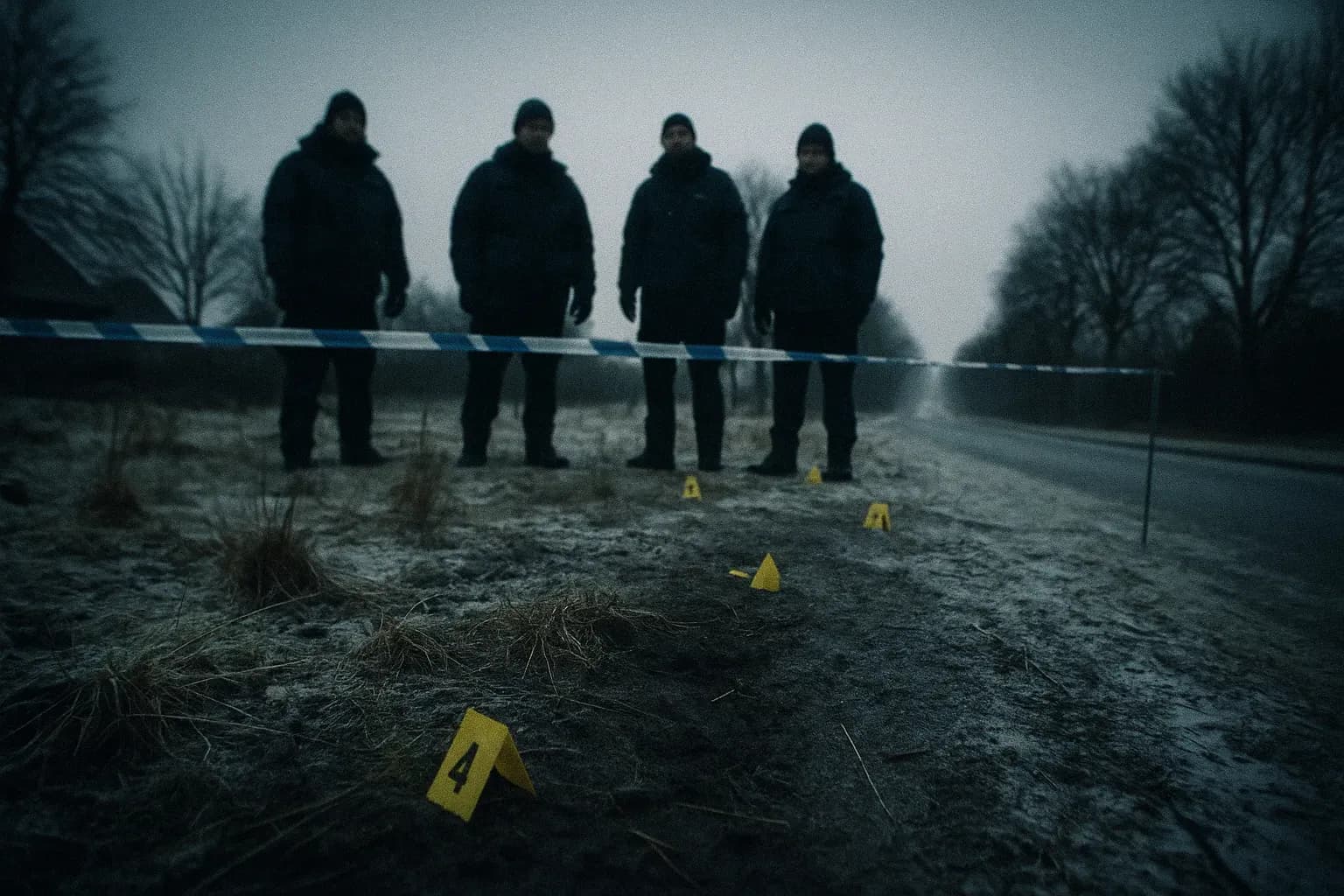
In the early hours of January 1, 2023, a 20-year-old woman disappeared from Herning, a city in central Denmark's Jutland region. Maria Møller Christensen had left a New Year's party on the evening of December 31, 2022, dressed lightly against the freezing Nordic winter. She carried no phone, jacket, or shoes.
Two days later, police discovered her body in a basement room just a few hundred meters from where she was last seen. The autopsy revealed she had been raped and strangled—a crime that would become a catalyst for one of Denmark's most methodical forensic investigations.
## The Nordic DNA Campaign
Danish police, operating within a legal framework that permits broader consent-based DNA testing than many Western countries, launched an extensive DNA collection campaign. The strategy—now recognized internationally as a model for solving violent crimes—involved requesting voluntary DNA samples from multiple men in the Herning area who could potentially be connected to the case.
This approach reflects a Scandinavian approach to criminal investigation that balances civil liberties with investigative necessity. Unlike some jurisdictions, Denmark's model relies heavily on citizen cooperation and transparent protocols rather than compulsory mass testing.
## The Break in the Case
The DNA evidence proved decisive. Biological traces recovered from Maria's body were matched to Jan Erik Henriksen, a 48-year-old man arrested and detained. Initial attempts to explain his DNA profile—claiming contamination from a shared laundry basement—unraveled under investigation. Henriksen could not account for his whereabouts during the critical hours of the murder.