The Italian Painter Who Stole the Mona Lisa
How Vincenzo Peruggia's 1911 heist transformed Leonardo's masterpiece into a global icon
Quick Facts
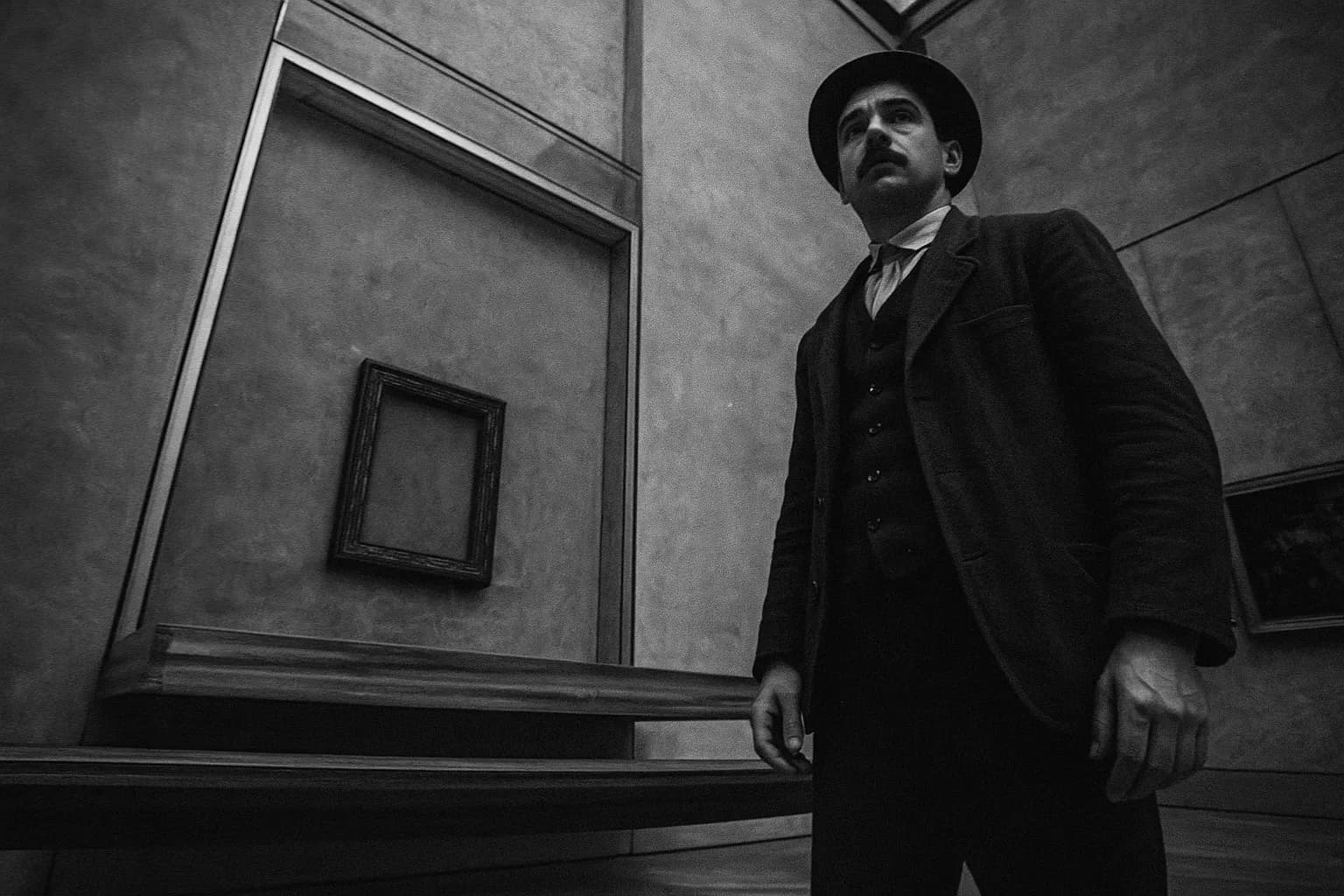
On August 21, 1911, Vincenzo Peruggia walked into the Louvre Museum in Paris as a worker and walked out as art history's most famous thief. The Italian house painter, then 29 years old, removed Leonardo da Vinci's Mona Lisa from its frame, concealed it beneath his work clothes, and disappeared into the Paris streets with one of the world's most recognizable paintings.
Peruggia was no stranger to the museum. Born October 8, 1881, in Dumenza, a small town in northern Italy's Province of Varese, he had emigrated to France seeking work. His employment at the Louvre—installing protective glass on paintings—gave him intimate knowledge of the museum's layout and security. More importantly, it fueled a conviction that would drive his audacious crime: the Mona Lisa, he believed, was Italian property that had been wrongfully held by France for centuries.
After removing the painting, Peruggia returned to his modest apartment at Rue de l'Hôpital Saint Louis in Paris's 10th arrondissement. There, he stashed his prize in a trunk with a false bottom and waited. For nearly two years, the Mona Lisa vanished from public view while the art world erupted in panic. Investigators cast suspicion far and wide—even interrogating the poet Guillaume Apollinaire and the painter Pablo Picasso. But the real thief remained hidden, quietly nursing his belief in the justice of his cause.
Peruggia's moment came in November 1913. Unable to remain silent any longer, the Italian painter drafted a letter to Alfredo Geri, a Florentine antiquarian dealer. Signing himself "Vincenzo Leonardo," Peruggia offered to return the masterpiece to its homeland. The letter was not a ransom demand but a patriotic overture—he wanted Italy to have its treasure back.