True crime news logo

Sign up for our newsletter and get the latest stories

Never miss the latest true crime news, reviews and top lists — plus new podcasts, series, films and books.

You can unsubscribe with one click from any email.

True crime news logo

The international true crime destination. Cases, documentaries, podcasts and travel routes.

© 2026 truecrime.news. All rights reserved.

Sagsmappe

The Helicopter King: France's Most Audacious Prison Escape Artist

How Pascal Payet orchestrated three daring helicopter breaks—a criminal record unmatched in modern Europe
Mappe Åbnet: JUNE 6, 2025 AT 10:00 AM
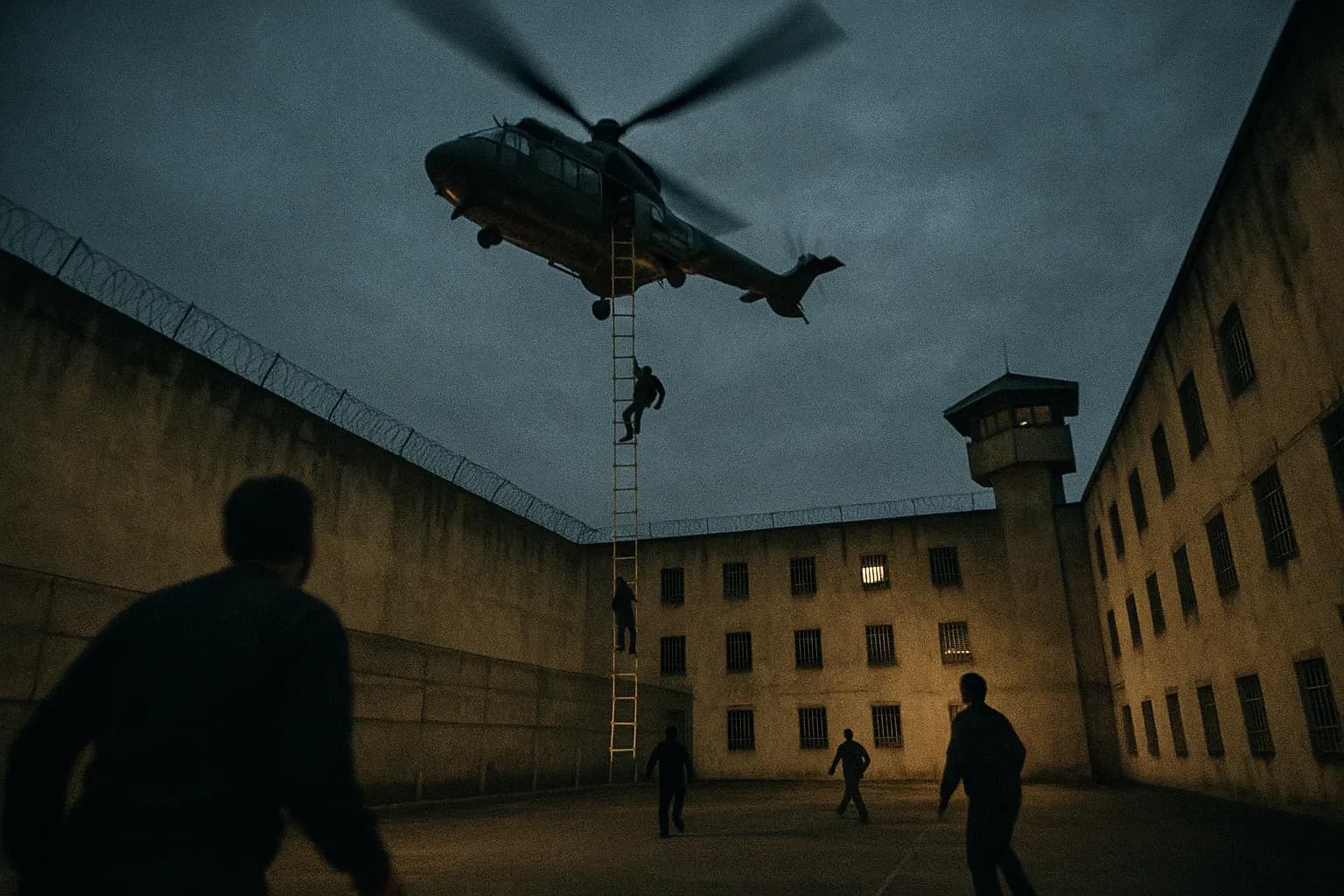
A helicopter hovers above a French prison yard, with a rope ladder dangling as a daring escape unfolds, evoking the sensational escapes of Pascal Payet.
BEVIS

Sagsdetaljer

Quick Facts

Klassifikation:

Escape
Fangeskab
Helicopter
France
Murder
Violence
Trial

Quick Facts

LocationLuynes, near Aix-en-Provence, France

In October 2001, a helicopter descended into the exercise yard of Luynes prison near Aix-en-Provence, France. Within minutes, a 36-year-old inmate named Pascal Payet and a fellow prisoner were airborne and free. It was not an isolated incident. Over the next six years, Payet would orchestrate two more helicopter-assisted escapes, a feat unparalleled in modern European criminal history.

Payet's criminal notoriety did not begin with aviation. In 1993, he was convicted of murder during an armed robbery of a cash transport vehicle in southern France—a serious felony that earned him a 30-year sentence. Rather than accept his fate through the French appellate system or seek clemency, Payet chose an unconventional path: he would engineer his own freedom through careful planning and radical means.

**The First Breakout: A Template for Audacity**

On October 12, 2001, at Luynes prison in the Bouches-du-Rhône department, Payet's first helicopter escape unfolded. A helicopter was hijacked by outside accomplices and flown directly into the prison yard. In the chaos and noise, Payet and fellow inmate Frédéric Impocco scrambled aboard. The escape succeeded, but freedom proved temporary. Payet remained at large for roughly 18 months before recapture in July 2003.

The audacity of the first escape might have ended there. Instead, it became a blueprint.

**Escalation: The 2007 Bastille Day Rescue**

After his recapture, French authorities intensified security measures around Payet. He was transferred to Grasse prison in the Alpes-Maritimes region and placed in isolation, a precaution designed to prevent further coordination with outside operatives. The logic was sound; isolation theoretically eliminated Payet's ability to communicate with potential accomplices.

Cop killing
Surveillance
Detention
Familicide
Life sentence
kryptovaluta
blockchain
hvidvaskning
cybersikkerhed
mordsager
magtmisbrug
finanskriminalitet
kidnapping
mordssag
justitssvigt
justitsmordet
celebrity-mord
True Crime Podcast 2026
politiafhøringer
overerstatningskommission
domstol
mystisk dødsfald
uløste sager
politisk kriminalitet
mordgåde
forensisk efterforskning
amerikanske drabssager
amerikanske kriminalsager
sundhedsbedrageri
Sagsstatus
Løst
Sted
Luynes, near Aix-en-Provence, France

It did not account for his determination or the resources at his disposal.

On July 14, 2007—Bastille Day, France's national holiday—a helicopter appeared above Grasse prison's roof. Four masked men aboard dropped a ladder toward Payet's isolation cell. In a scene resembling a Hollywood thriller more than actual crime, Payet climbed the rope ladder and escaped into the sky. French authorities launched an immediate manhunt. Payet evaded capture for 69 days before being arrested in Spain in September 2007.

**A Third Act and International Intrigue**

Authenticated details about a potential third escape in 2018 remain sparse in English-language sources, though Danish and European media reported another helicopter-assisted break from a facility near Paris. If confirmed, it would cement Payet's place as a singular figure in penal escape history.

**Why This Matters Beyond France**

Payet's case exposed critical vulnerabilities in European prison security infrastructure. Helicopter escapes had occurred before in isolated cases—notably in Canada and Australia—but never with such frequency or organization by a single inmate. His success raised uncomfortable questions: How were helicopters being hijacked repeatedly? What level of external coordination existed? Why were isolation measures insufficient?

For Scandinavian criminologists and prison administrators, the Payet case became a cautionary study. Danish and Norwegian penal systems, already known for progressive rehabilitation models, faced pressure to reassess physical security protocols without compromising their philosophical approach to incarceration.

**The Escape Artist, Not the Criminal**

Perhaps most striking is that Payet's notoriety stems not from the original murder, but from his escapes. He became known internationally not as a dangerous violent offender, but as a criminal innovator—a man whose ingenuity and persistence challenged the assumption that modern prisons are escape-proof.

Whether still incarcerated or at large, Pascal Payet remains a rare figure in European crime history: a convict whose primary criminal enterprise was not theft, violence, or trafficking, but freedom itself. His legacy has become a textbook example of how determination, resources, and creative thinking can repeatedly overcome institutional safeguards designed to prevent exactly such outcomes.

Read more

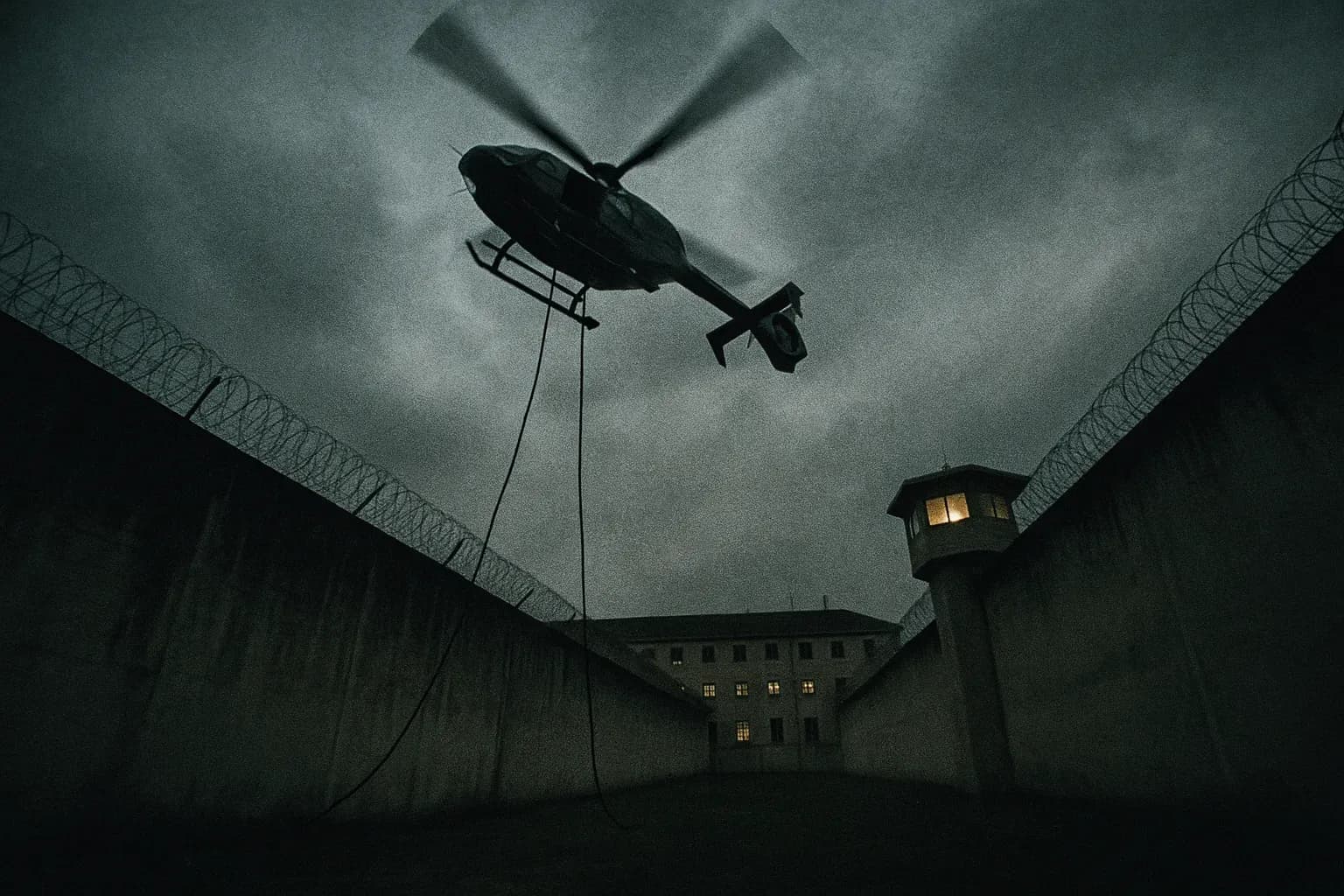
A helicopter hovers above a high-security prison in France, ropes dangling as part of an audacious escape plan.
Case

France's Master Escape Artist: The Rédoine Faïd Story

Street Cops: Raw Realism in Copenhagen
TV Series

Denmark's 'Street Cops': Bodycam Reality TV Sparks Police Transparency Debate

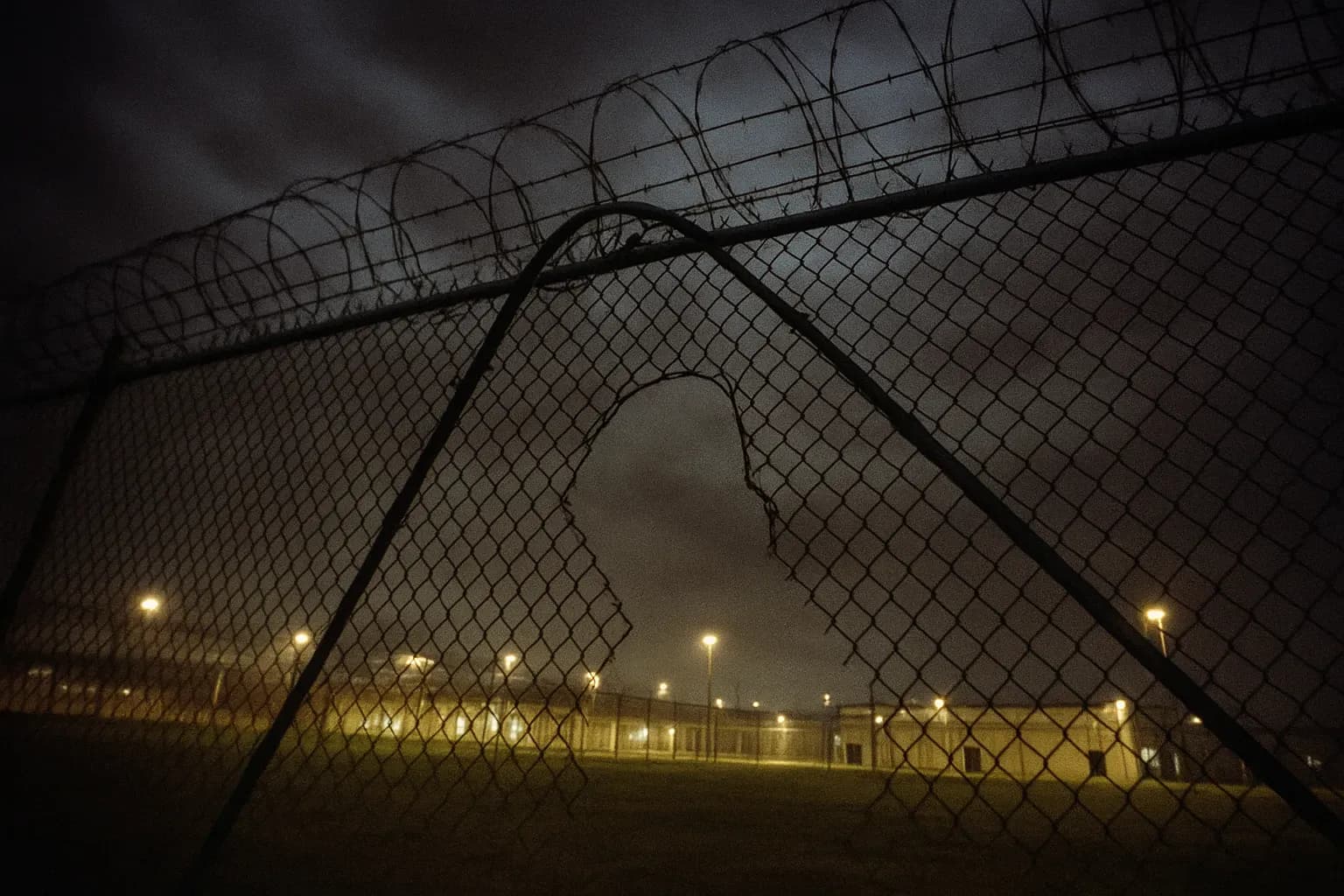
A prison fence at the Connally Unit in Texas, the metal wire cut and bent, symbolizing the escape of the Texas Seven, whose flight led to a massive manhunt and tragic consequences
Case

Texas Seven: Maximum Security Escape Ends in Murder

Related Content
A helicopter hovers above a high-security prison in France, ropes dangling as part of an audacious escape plan.

France's Master Escape Artist: The Rédoine Faïd Story

Street Cops: Raw Realism in Copenhagen

Denmark's 'Street Cops': Bodycam Reality TV Sparks Police Transparency Debate

A prison fence at the Connally Unit in Texas, the metal wire cut and bent, symbolizing the escape of the Texas Seven, whose flight led to a massive manhunt and tragic consequences

Texas Seven: Maximum Security Escape Ends in Murder

Family murder: shocking double murder revealed

Danish War Veteran Held Parents' Bodies in Car for a Week

Advertisement
SS

Susanne Sperling

View all stories →
Share this post: