The Murder That Changed Stalking Laws
How Rebecca Schaeffer's death in 1989 led to landmark legislation protecting celebrities and the public
Sagsdetaljer
Quick Facts
Quick Facts
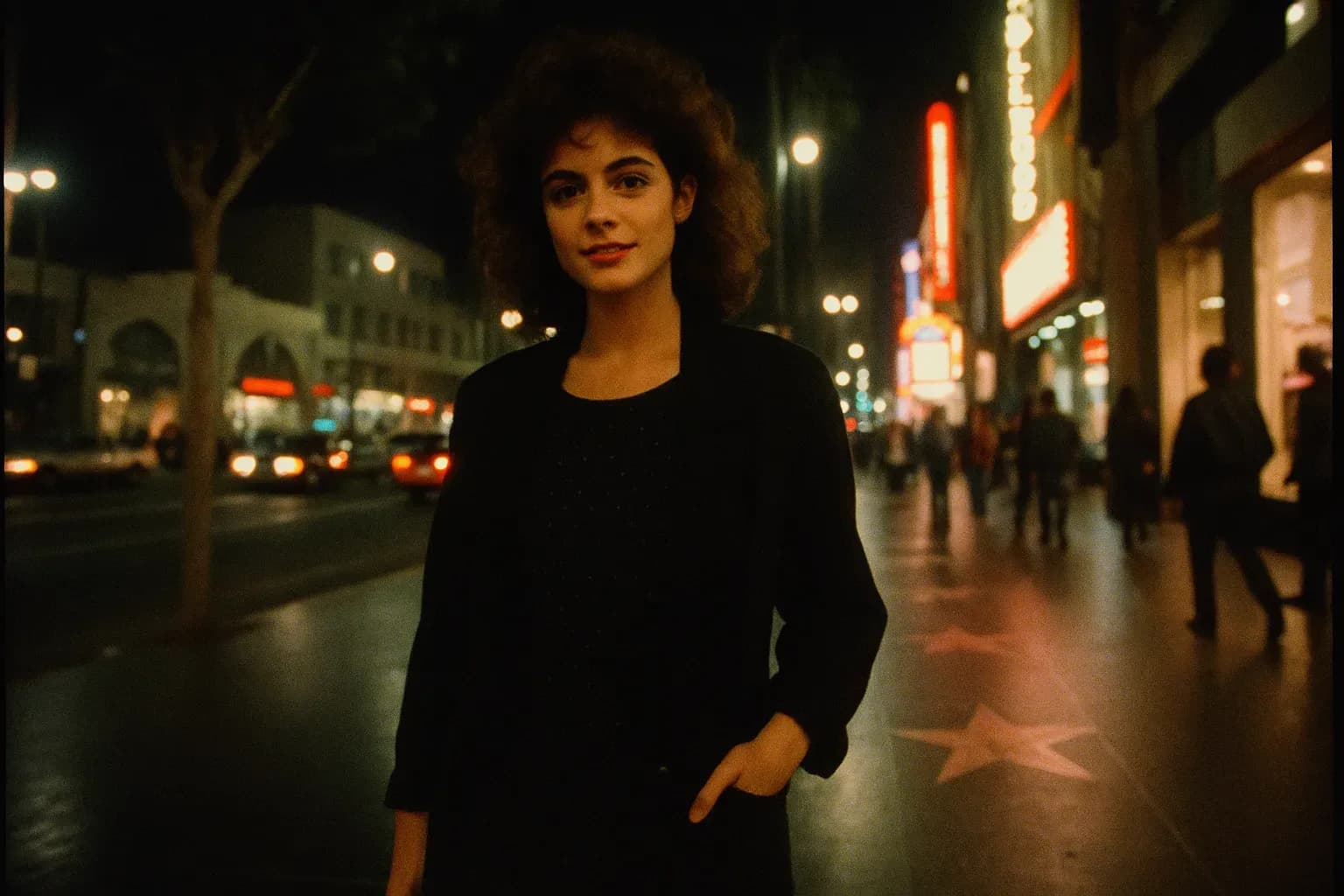
On the morning of July 18, 1989, Rebecca Schaeffer opened her apartment door on North Sweetzer Avenue in West Hollywood to find Robert John Bardo standing outside. The 19-year-old had traveled from Tucson, Arizona, with a single purpose. He shot the actress in the chest at point-blank range with a .357 magnum. She was pronounced dead on arrival at Cedars-Sinai Medical Center.
Schaeffer, 21, had become a household name through the television series "My Sister Sam." For three to four years before her death, she had been the object of Bardo's obsession. He had written her letters, made repeated phone calls, and attempted to contact her in person. His fixation was not casual; it was methodical and dangerous.
Bardo's determination to find Schaeffer's address demonstrated how accessible personal information had become in the pre-internet era. He paid $250 to a private investigator who obtained her home address from California's Department of Motor Vehicles records—a transaction that was legal at the time but would soon become part of the impetus for change. Armed with this information, Bardo boarded a Greyhound bus from Arizona to Los Angeles.
On the day of the murder, Bardo visited Schaeffer's apartment twice. After his first visit, he left and spent an hour at a nearby diner. He returned at approximately 10:15 AM. This time, when Schaeffer answered the door, he opened fire. The killing was swift and brutal.
During his trial, Bardo's defense argued that he was driven by delusions, claiming he acted under command hallucinations. The judge rejected this argument. The prosecution successfully demonstrated that Bardo killed to achieve fame and notoriety—a troubling motive that underscored the dangers posed by obsessed individuals seeking recognition through violence.