Bear Brook Murders: From Barrels to Serial Killer
How genetic genealogy solved a 35-year-old mystery in New Hampshire
Sagsdetaljer
Quick Facts
Quick Facts
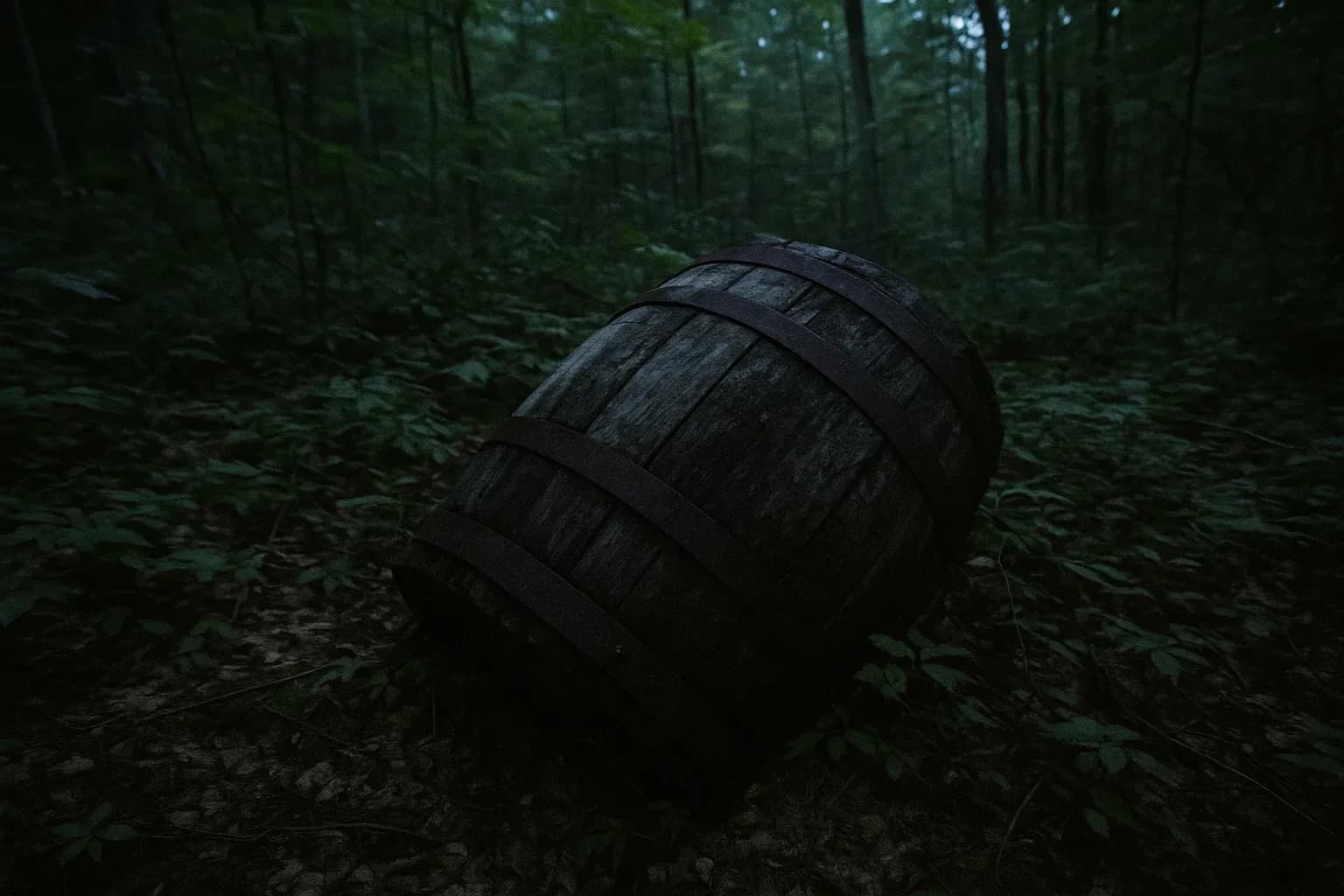
In November 1985, a boy kicking over a barrel in Bear Brook State Park, New Hampshire, uncovered the remains of two victims—beginning one of America's most haunting unsolved cases. Thirty-two years later, genetic genealogy identified the killer: Terry Peder Rasmussen, a man who had evaded justice under at least five aliases.
The discovery that November morning shocked investigators. Inside the corroded barrel were the partial remains of what would later be identified as Marlyse Elizabeth Honeychurch and her daughter Marie Elizabeth Vaughn. A second barrel, discovered fifteen years later in June 2000 roughly 100 meters from the first location, contained more remains—including another of Honeychurch's daughters, Sarah Lynn McWaters. The fourth victim, a child named Rea Rasmussen, was identified as recently as September 2025.
For years, the case went cold. Investigators had no leads and no clear suspects. The victims' identities remained unknown for decades, and the public had little to go on. But in 2017, investigators turned to a then-emerging investigative tool: genetic genealogy. This technique—matching DNA from crime scenes against genealogical databases—had never before been used to identify a criminal suspect in America. The Bear Brook case would become the landmark case that proved its power.
Through DNA analysis and Y-DNA testing, investigators identified Terry Peder Rasmussen as the primary suspect. Rasmussen, who lived from 1943 to 2010, was known to have used multiple aliases including "Bob Evans." DNA evidence confirmed he was the biological father of victim Rea Rasmussen. A crucial breakthrough came when one of Rasmussen's children from his first marriage provided a confirmation DNA sample that matched evidence from the case.