Willie Sutton: America's Most Legendary Bank Robber
How 'Willie the Actor' stole over $2 million and became the FBI's most wanted criminal
Quick Facts
William Francis Sutton Jr., the man the FBI would eventually label one of America's most wanted criminals, was born on June 30, 1901, in Brooklyn, New York—a working-class Irish-American neighborhood where petty crime and street theft were common survival strategies for poor kids. By his teenage years, young Willie had already turned to theft. At 21, he was arrested on a murder charge but was acquitted. His first major prison sentence came in 1926–1927 for safecracking. Upon his release, Sutton turned his full attention to what would become his trademark: robbing banks.
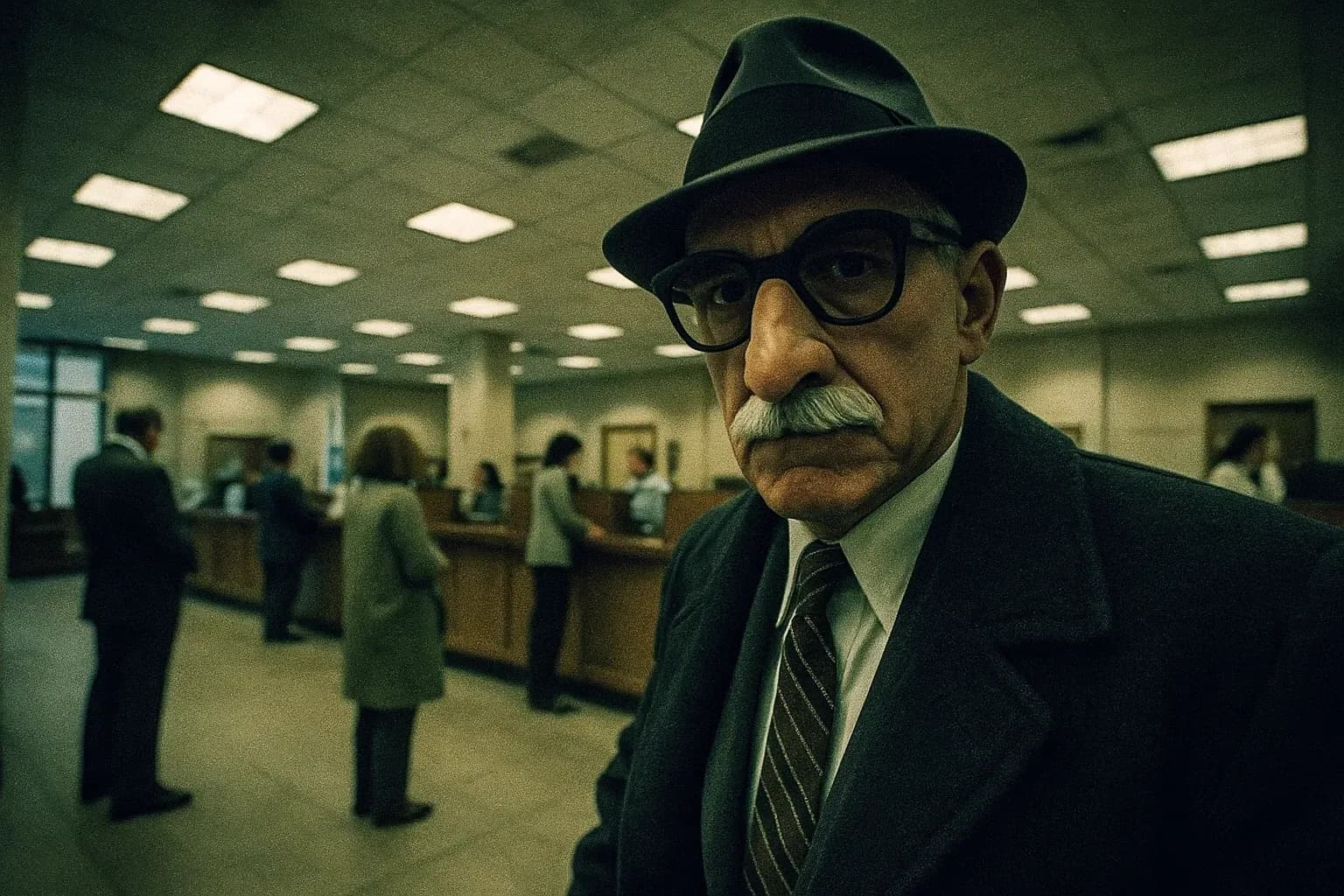
What set Sutton apart from other bank robbers was his theatrical approach to crime. He earned the nickname "Willie the Actor" and "Slick Willie" for his ability to adopt sophisticated disguises and assume different roles. He posed as security guards, police officers, window cleaners, and messengers to gain access to bank vaults and secure areas. This method—blending into the environment rather than relying on violence—would define his criminal career.
On January 15, 1934, Sutton orchestrated one of his most infamous robberies: the Corn Exchange Bank and Trust in Philadelphia. He and his accomplices entered through a skylight, rounded up employees, handcuffed them, and confined them to a room before making off with the bank's cash. Later that year, he was apprehended and sentenced to 25 to 50 years in Eastern State Penitentiary in Philadelphia.
But incarceration could not hold Sutton for long. Between 1932 and 1947, he executed at least three prison escapes. On December 11, 1932, he smuggled in a gun, held a guard hostage, and used a 45-foot ladder to scale a 30-foot prison wall. On April 3, 1945, he was among 12 convicts who tunneled out of Eastern State Penitentiary. Then on February 10, 1947, disguised as a prison guard and carrying a ladder, he walked out again.