China's Monster Killer: The 67 Murder Spree That Shocked a Nation
Yang Xinhai terrorized rural China across four provinces before his arrest in 2003
Sagsdetaljer
Quick Facts
Quick Facts
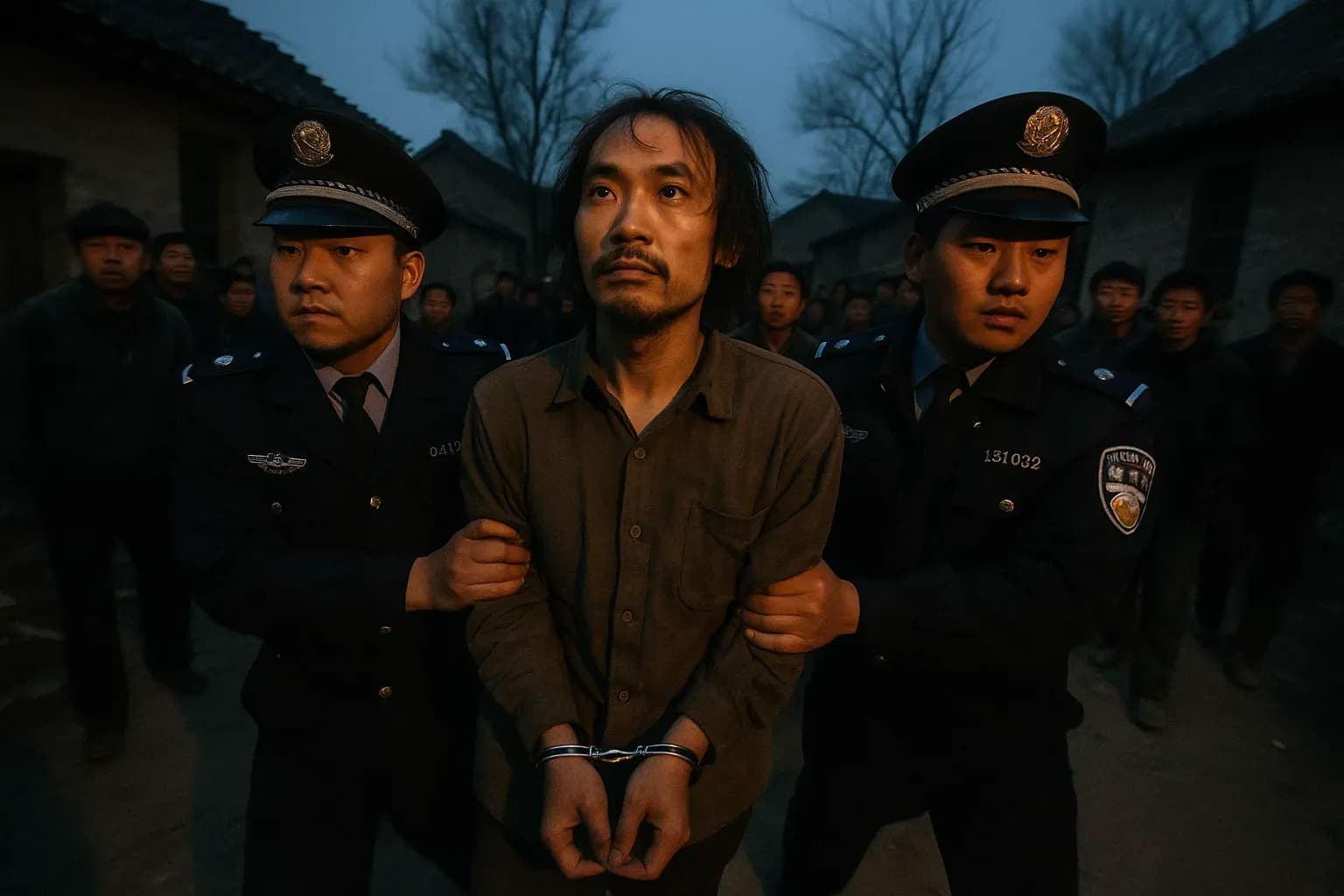
Yang Xinhai, born 17 July 1968 in Zhengyang County, Henan Province, became one of the most prolific serial killers in modern Chinese history. Between 2000 and 2003, the man police nicknamed the "Monster Killer" confessed to murdering 67 people and raping 23 others across four provinces in central and eastern China.
Raised in poverty as the youngest of six siblings, Xinhai's early life offered little indication of the horrors to come. But his criminal history began years before the murder spree. Imprisoned twice for burglary and rape, he was released in 1999—a year that would mark the beginning of his most devastating crimes, according to some investigations.
Xinhai's methodology was grimly systematic. He would enter isolated rural homes under cover of darkness, often targeting remote farmhouses where families lived far from neighbors. Armed with axes, hammers, shovels, meat cleavers, and iron implements, he attacked without discrimination. Children, the elderly, and everyone in between fell victim to his violence. He was meticulous in one peculiar way: he wore new clothes and oversized shoes to each murder, apparently attempting to avoid leaving traceable evidence. Yet he left crime scenes devastated, making no serious effort to conceal the brutality of his attacks.
Among his documented crimes were the murders in Yanwan Village on 1 December 2002, where he killed two people and raped another, leaving a third victim seriously injured. Days later, on 6 December 2002, he struck again in Liuzhuang Village, murdering five people and committing another rape. These attacks were typical of his pattern: sudden, violent, and indiscriminate.
Xinhai's reign of terror spanned four provinces—Anhui, Hebei, Henan, and Shandong—making coordination between local authorities extremely difficult. Police suspected he had committed even more murders than those he eventually confessed to, with some investigations linking him to 26 cases since 1999. The random selection of victims and locations meant there was no obvious pattern for investigators to follow initially.