Crime Scene Cleaners: Inside Humanity's Darkest Job
From the USA to Mexico to the Netherlands, forensic cleaners bear witness to tragedy and process the aftermath of death
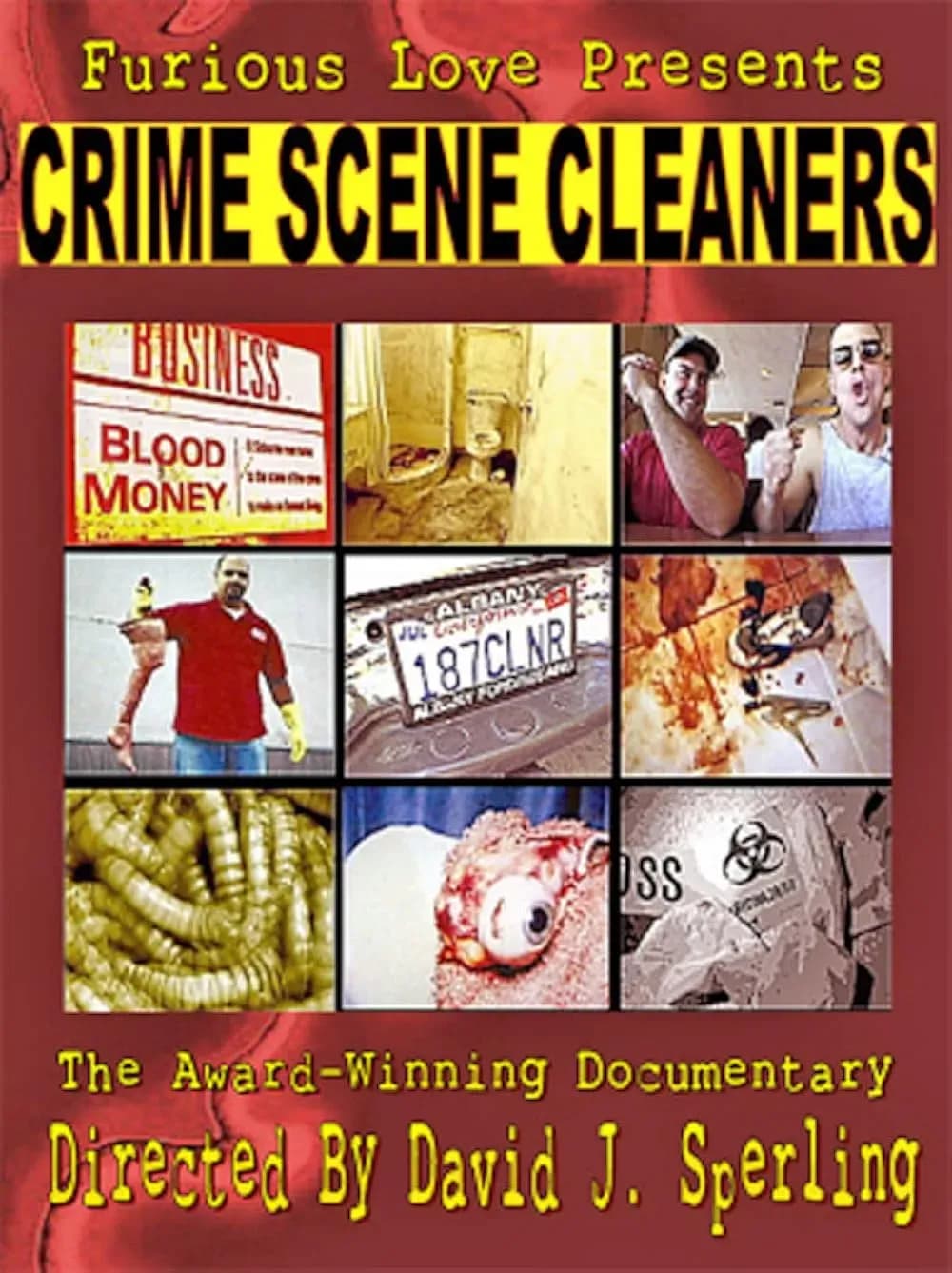
When someone dies violently or is left undiscovered for days, law enforcement secures the scene, investigators document evidence, and then they leave. What remains is the physical aftermath: blood, bodily fluids, decomposition, and the overwhelming stench of death. Enter the crime scene cleaners—a small, specialized workforce tasked with biohazard remediation that the rest of society prefers not to acknowledge.
Neal Smither founded Crime Scene Cleaners in the USA over two decades ago. Now president of the company, Smither oversees a team of more than a dozen employees who have cleaned thousands of scenes across the country. He documents the work on Instagram, where hundreds of thousands of followers watch unflinchingly as he documents the reality of his job: scenes layered with blood, bone fragments, brain matter, maggots, and odors so potent they seem to embed themselves in clothing and hair.
In 23 years of operation, Smither has encountered suspects attempting to use his cleanup service to conceal evidence—twice. Both times, he caught them. In one case, a suspect claimed to be locked out of a house and hired a locksmith for entry. The scene inside contradicted his story: blood everywhere, with no photographs of the man anywhere on the walls. Smither reported the incident to police through his manager. These moments underscore a critical reality: the forensic cleaners' work intersects directly with criminal justice, even if their role is rarely acknowledged in courtrooms.
The profession extends globally. In the United Kingdom, Stacey Foyster works as a crime scene and trauma cleaner, tackling stabbings, murders, and drug dens. She traces the steps of incidents, understanding not just what happened but how it unfolded. In interviews, she emphasizes that despite the brutality, she loves the work and feels motivated to help families and victims navigate their darkest moments.
Mexico presents an extreme case. Donovan Tavera, 49, is a certified forensic cleaner and was Mexico's only one at the time of his documentary profile. Working in a country where drug cartels and corruption have claimed 120,000 lives and left 23,000 missing since 2006, Tavera runs a family business with his daughter Maria and wife Elisia, who handles client calls and product preparation. Self-taught and driven by a passion for honoring victims and supporting their families, Tavera represents a critical lifeline in regions where state infrastructure fails families in their moments of greatest need.