In 2020, an investigation at Yale University's fertility clinic exposed a breach of medical ethics and patient safety that left women questioning whether their pain during one of medicine's most invasive procedures was preventable—or deliberately inflicted.
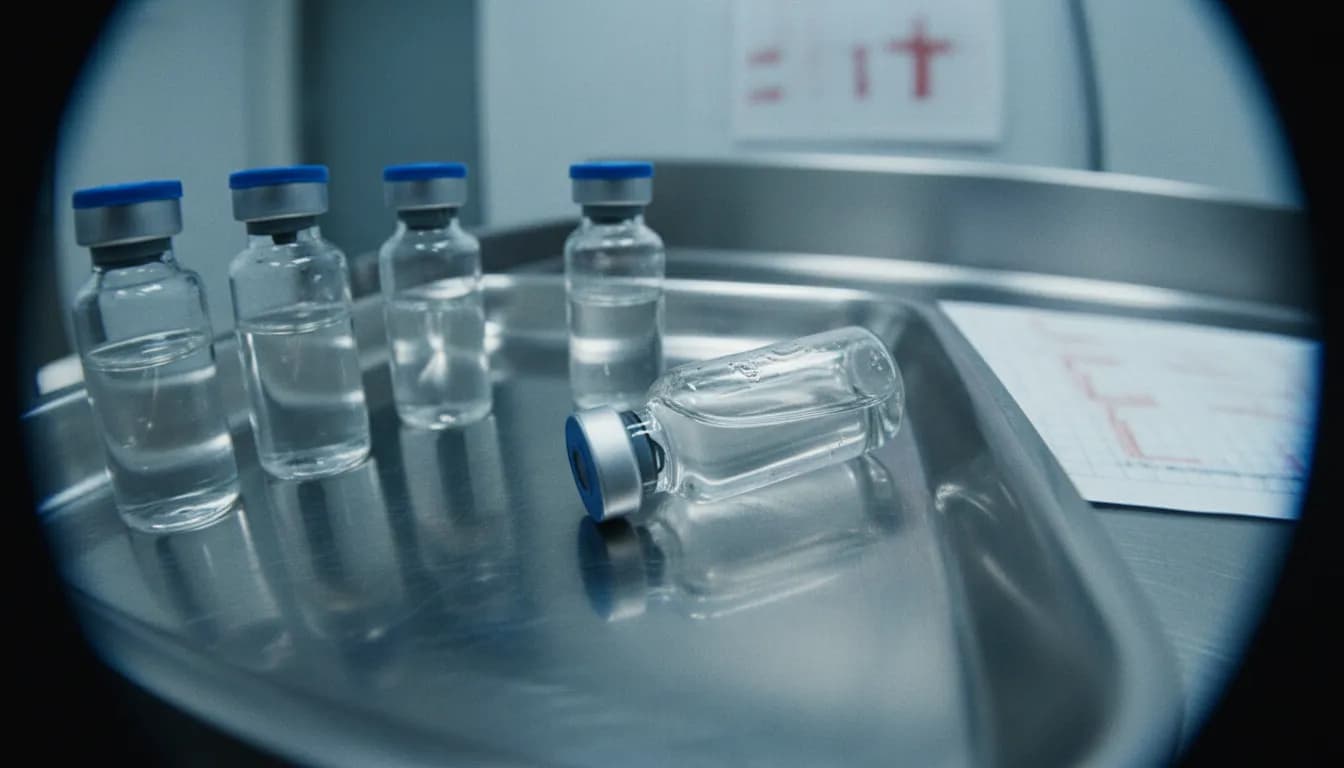
A nurse employed at the clinic had been systematically stealing fentanyl, a Schedule II controlled substance commonly used for acute and chronic pain management, over an extended period. Rather than report the missing medication, the staff member replaced the stolen doses with saline solution—essentially saltwater injections that provide no analgesic effect.
The deception went undetected until a Friday in 2020 when clinic staff discovered a fentanyl container with a loosened cap. That single observation triggered an investigation that would unravel months, possibly years, of compromised patient care.
**The Human Cost of Institutional Failure**
Egg retrieval—or oocyte retrieval—is a foundational procedure in assisted reproductive technology. A transvaginal needle punctures the vaginal wall to access and extract eggs directly from ovarian follicles. It is widely acknowledged as painful, even with proper anesthesia. Medical literature consistently describes the procedure as ranging from "uncomfortable" to "significantly painful." Patients typically receive sedation or regional anesthesia specifically because the procedure demands it.
The women treated at the Yale clinic during this period believed they were receiving fentanyl, a potent synthetic opioid approximately 100 times stronger than morphine. Instead, they underwent the procedure with only saline injections—a placebo without even the psychological comfort of genuine medication.
The exact number of patients affected remains unclear from available English-language sources, though Danish media reports indicate the figure is substantial and unknown.
**A Pattern Recognized Across Healthcare Systems**
The Yale fertility clinic case is not isolated. Healthcare worker substance abuse—sometimes called "diversion"—has emerged as a persistent vulnerability across American and international medical systems. When opioids are involved, the consequences ripple outward: patients suffer medically unnecessary pain; drug-dependent staff members face addiction crises; and institutional trust erodes.