Ireland's First Serial Killers: Cold Case Reopened by Podcast
2 episodes
A major true crime podcast has prompted Irish police to reopen one of the nation's oldest serial murder cases. The seven-part series examines the 1976 disappearance of 23-year-old Elizabeth Plunkett, whose case exposed Ireland's first documented serial killers.
Almost half a century after Elizabeth Plunkett vanished from an Irish beach, a new podcast has brought her case back into the spotlight—and directly into the hands of investigating authorities.
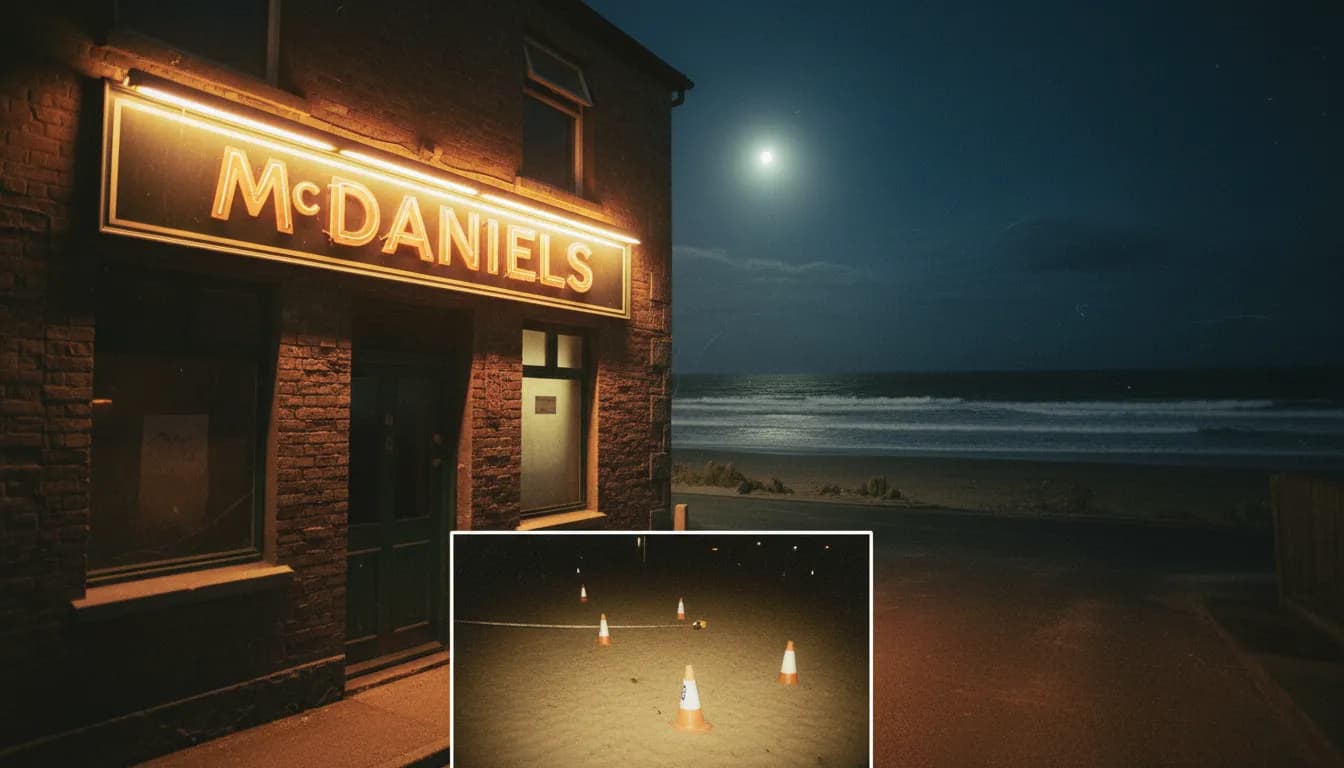
Plunkett, 23, disappeared on August 28, 1976, from Brittas Bay in County Wicklow, southeast of Dublin. She was abducted by John Shaw and Geoffrey Evans, men who would later be identified as Ireland's first documented serial killers. The case, long overshadowed by more recent crimes and limited media coverage, has remained largely unknown outside Ireland and among younger generations of true crime audiences.
Now, the seven-part podcast series "Bad Women Presents Stolen Sister," released in 2025, is changing that. The production, created by RTÉ (Ireland's state broadcaster) and distributed by Pushkin Industries, takes a distinctive approach by centering Plunkett's life and humanity rather than glorifying the perpetrators—a hallmark of the broader "Bad Women" franchise that has earned international recognition for victim-focused storytelling.
Hosted by Hallie Rubenhold and Alice Fiennes, the series was written by Nicoline Greer, an award-winning documentary radio producer, with a soundtrack composed by Oscar winner Stephen Warbeck. The production values reflect the project's significance: this is not a quick true crime venture, but a serious examination of a forgotten chapter in Irish criminal history.
What makes this podcast particularly newsworthy is what happened during its production. Researchers uncovered new information about the case that caught the attention of Irish police. Rather than remaining archived history, the cold case has been officially reopened for potential reinvestigation—a development that underscores how contemporary media scrutiny can influence law enforcement priorities, even decades later.
For international audiences unfamiliar with the case, context matters. Ireland's criminal justice system and public discourse developed differently from Anglo-American true crime traditions. Serial murder cases received less sensational coverage in the 1970s, and geographic isolation—combined with smaller media markets—meant that crimes could fade from public memory more easily than in larger English-speaking nations. The Plunkett case exemplifies this gap in historical record.
The reopening also reflects broader shifts in how cold cases are handled across the UK and Ireland. Over the past decade, advances in forensic technology, DNA analysis, and increased public interest in historical crimes have prompted authorities to revisit decades-old investigations. This case appears to fit that pattern, suggesting that new evidence or investigative leads may have emerged.
The podcast is available across major platforms—Apple Podcasts, Spotify, YouTube, and RTÉ's own platform—making it accessible to an international audience. This broad distribution is significant for a case that previously had limited English-language coverage outside Ireland.
For true crime researchers and journalists, the "Bad Women Presents Stolen Sister" case study demonstrates a crucial principle: that victim-centered storytelling can serve both journalistic and investigative functions. By prioritizing Elizabeth Plunkett's story over sensationalism, the producers created something compelling enough to reignite official interest in the case.
As the investigation potentially moves forward, the podcast may become a pivotal document—not just of historical true crime, but of how modern media engagement with cold cases can produce tangible investigative outcomes. For Elizabeth Plunkett's family and others affected by these crimes, nearly 50 years of silence may finally be breaking.