True crime news logo

Sign up for our newsletter and get the latest stories

Never miss the latest true crime news, reviews and top lists — plus new podcasts, series, films and books.

You can unsubscribe with one click from any email.

True crime news logo

The international true crime destination. Cases, documentaries, podcasts and travel routes.

© 2026 truecrime.news. All rights reserved.

Fifteen: Inside the Daniel Marsh Murders — episode 2 — Daniel Marsh
Podcast
•
March 17, 2026 at 01:17 PM

A 15-Year-Old's Crime Scene: How Daniel Marsh Left No Trace

The meticulous planning behind a brutal double murder in Davis, California revealed the calculated mind of a teenage killer.

Host
Susanne Sperling
Redaktør
Fifteen: Inside the Daniel Marsh Murders
CBS 48 Hours

On April 14, 2013, in the early morning hours, Daniel William Marsh entered the Davis, California home of Claudia Maupin, 76, and Oliver "Chip" Northup Jr., 87. The elderly couple, married for 17 years, were asleep in their bedroom when the teenager crept in and attacked them with a knife. By the time he left, both victims had been stabbed repeatedly—Northup sustaining 61 wounds, Maupin 67—before Marsh dissected and mutilated their bodies in a display of extreme violence.

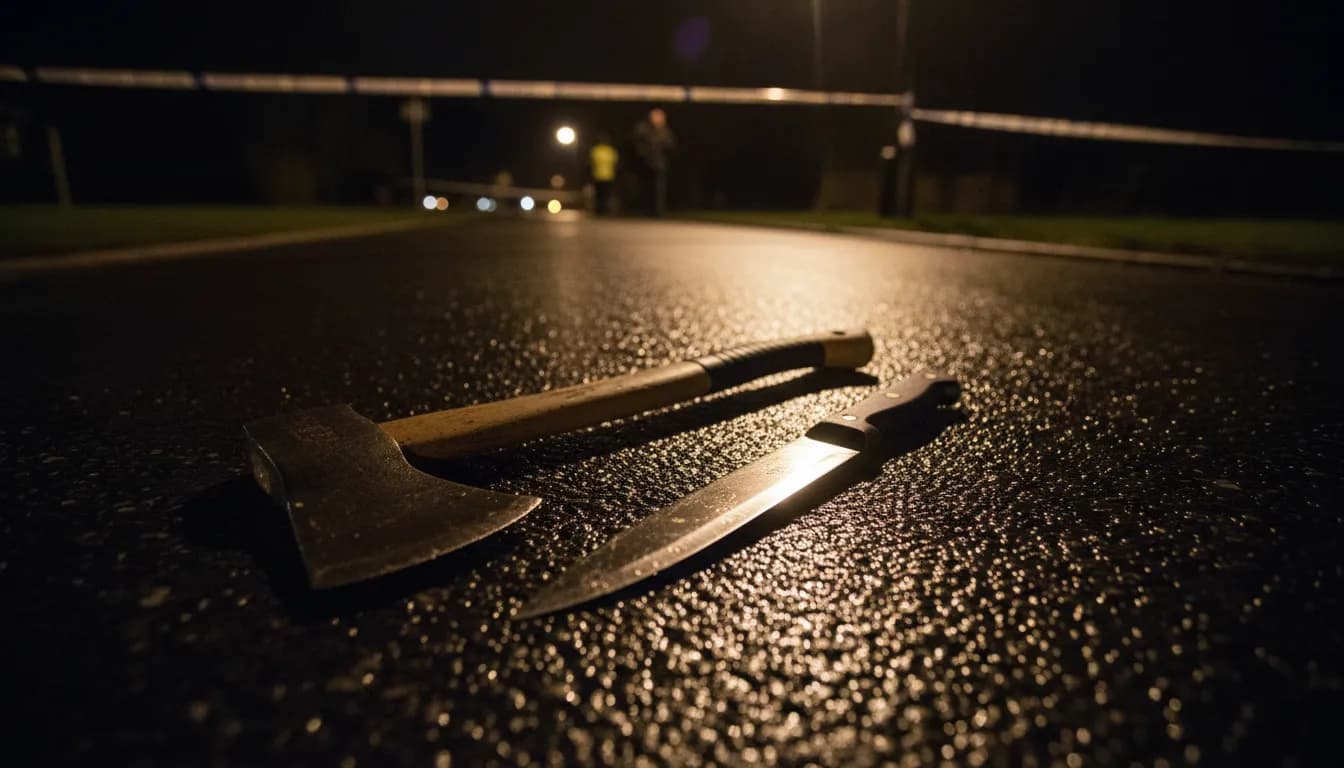
What made this crime scene extraordinary in the annals of homicide investigation was not the brutality, but the absence of evidence. Marsh left behind no DNA, no fingerprints, no footprints—nothing that typical forensic analysis could use to identify him. He had taped his shoes to the floor to avoid leaving impressions, a level of premeditation that belied his age and revealed a calculated mind at work.

When Claudia and Oliver's bodies were discovered on April 15, the morning after the murders, police faced a seemingly impossible puzzle. Investigators called in 25 FBI agents to work the case, but initial leads proved elusive. Even family members—including Chip's son and grandsons—were questioned as suspicion cast a wide net across the community.

The investigation stalled until June 2013, two months after the murders. A tip came in: a teenager had been bragging about committing the killings. When police brought in Daniel William Marsh for interrogation, he confessed in graphic detail. During questioning, he described continuing to stab the victims long after they were dead, explaining that it "just felt right." He then directed officers to evidence he had kept as souvenirs—the bloody clothing and knife, hidden in his mother's garage.

Marsh's confession pulled back the curtain on a deeply disturbing psychology. The 15-year-old harbored long-standing fantasies of torturing and murdering people, and had actively cultivated a desire to become a serial killer. His meticulous approach to the crime—the careful avoidance of physical evidence, the selection of vulnerable targets in their own home, the postmortem mutilation—all pointed to someone who had spent considerable time planning such violence.

On the night of April 13, Marsh had left his mother's home and wandered the streets of Davis searching for a house that appeared vulnerable. He found the Maupin-Northup residence, cut open a window screen to gain entry, and made his way to the bedroom where the couple slept. The crime was opportunistic in victim selection but methodical in execution—a contradiction that would later become central to legal arguments about his culpability.

Daniel Marsh
Erin Moriarty
Daniel Marsh Double Murder
Davis
The hearing
Murder of 5-year-old girl committed by 16-year-old boy
child murder
2013
The murders of Claudia Maupin
policing methods
Triple murder
Forensic psychiatry
Analytical review of female homicide cases in Denmark
Criminal Women
The murder of Arlene Fraser
murder-without-borders
Expert interview on murder investigation
murder of three family members
mordssag
justitsmordet
justitssvigt
mordsager

The case raised profound questions about juvenile accountability and the nature of premeditated violence in adolescence. Prosecutors argued that Marsh's actions demonstrated calculated intent and planning that presaged future killings had he remained free. The defense pointed to mental health factors and medication issues that may have contributed to his behavior. These arguments would define a broader policy debate about how the criminal justice system should handle juvenile offenders capable of such extreme violence.

The murders of Claudia Maupin and Oliver Northup remain a stark reminder that violent crime does not discriminate by the age of the perpetrator, and that the absence of evidence at a crime scene does not mean the absence of a perpetrator—only that someone took extraordinary steps to avoid detection.

**Sources**

https://en.wikipedia.org/wiki/Murders_of_Claudia_Maupin_and_Oliver_Northup https://www.youtube.com/watch?v=CHuJD83orYQ https://podcasts.apple.com/us/podcast/fifteen-inside-the-daniel-marsh-murders/id1834159537

Read more

The Interrogation — episode 1 — Peter Madsen and James Schmidt
Podcast Episode

Inside Danish Murder Interrogations: New Podcast Dissects Nordic Crime

Danish Murder Cases — episode 175 — The Robbery Murder on the Path
Podcast Episode

Cannabis Deal Gone Fatal: The Aarhus Murder That Shocked Denmark

Danish Murder Cases — episode S12E30 — The Unicycle Rider Who Became a Murderer
Podcast Episode

When True Crime Goes Wrong: A Nordic Outlet's Reckoning

Related Content
The Interrogation — episode 1 — Peter Madsen and James Schmidt

Inside Danish Murder Interrogations: New Podcast Dissects Nordic Crime

Danish Murder Cases — episode 175 — The Robbery Murder on the Path

Cannabis Deal Gone Fatal: The Aarhus Murder That Shocked Denmark

Danish Murder Cases — episode S12E30 — The Unicycle Rider Who Became a Murderer

When True Crime Goes Wrong: A Nordic Outlet's Reckoning

Mørkeland — episode 292 — The Murder in Kolding

When Excuses Collapse: The Irrational Murder That Exposed a Killer's Lies

Advertisement
SS

Susanne Sperling

View all stories →
Share this post: