True crime news logo

Sign up for our newsletter and get the latest stories

Never miss the latest true crime news, reviews and top lists — plus new podcasts, series, films and books.

You can unsubscribe with one click from any email.

True crime news logo

The international true crime destination. Cases, documentaries, podcasts and travel routes.

© 2026 truecrime.news. All rights reserved.

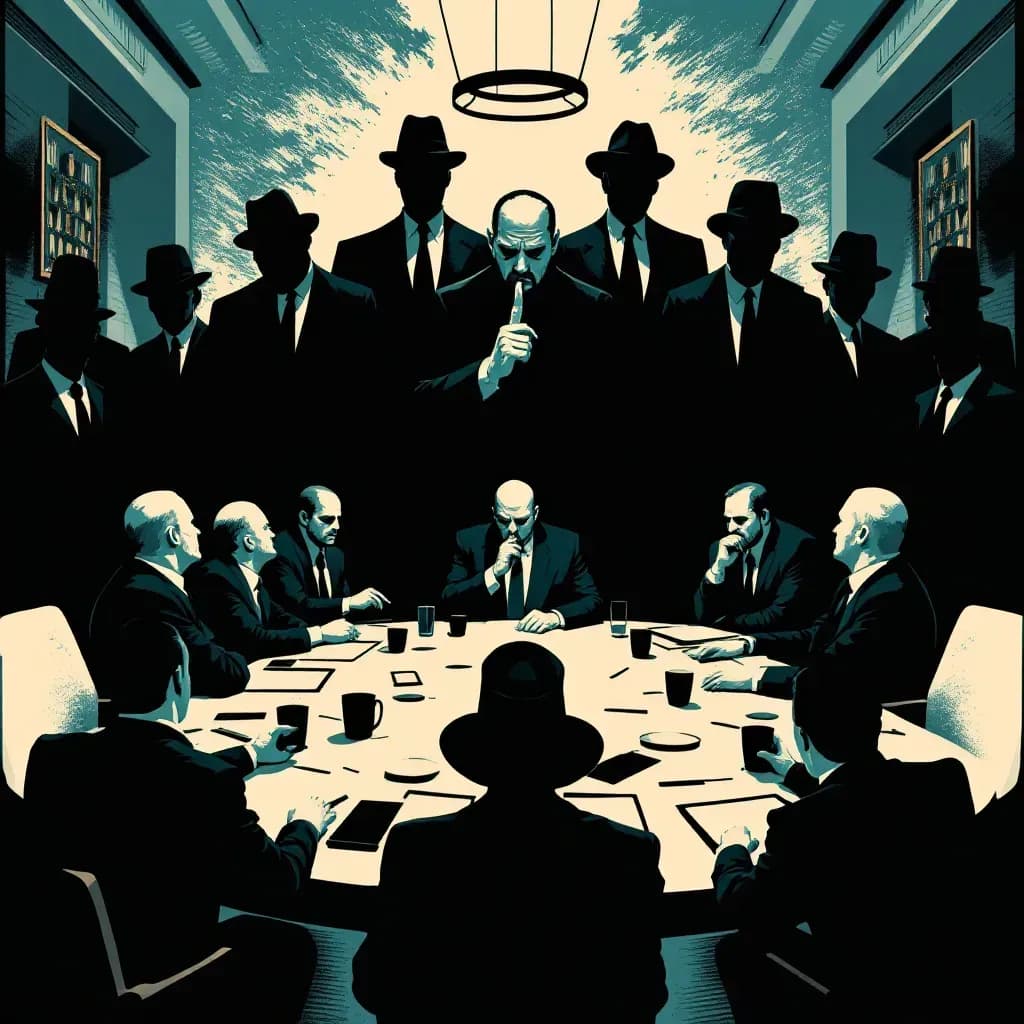
A shadowy boardroom depicting a hierarchy of mafia leaders, a figure with a finger to their lips symbolizing omertà, surrounded by investigators struggling against an invisible wall.

Mafia

Hierarchy, omertà, and the invisible power of organized crime

Discover the mafia's closed world: From rigid hierarchies and brutal violence to the code of silence (omertà) that challenges investigators worldwide.


Hierarchy, omertà, and the invisible power of organized crime


What defines mafia: Hierarchy, violence, and Omertà law


In true crime, "mafia" refers to a specific type of organized crime characterized by a strictly hierarchical criminal association. These organizations operate according to their own internal laws and systematically use violence and threats as key tools to achieve and maintain power and financial profit. Regardless of geographical origin or specific designation, mafia-like groups are typically characterized by a strict command structure, strong loyalty bonds, and a deeply entrenched culture of silence – known as 'omertà'. This code of silence makes effective investigation and infiltration extremely difficult for authorities. Their criminal activities are wide-ranging, from traditional areas such as extortion, illegal gambling, loan sharking, and drug trafficking to advanced forms of financial crime, including extensive money laundering through legal business fronts and systematic corruption of officials and politicians.


Mafia's shadow: Constant threat, difficult to combat


A thorough understanding of the mafia's structure, methods, and culture is crucial within the true crime genre, as it highlights the complex challenges law enforcement faces in combating organized crime. The mafia's ability to operate covertly, instill fear in society, and undermine the rule of law constitutes a persistent and serious threat. Stories about the mafia often reveal the systemic vulnerabilities that enable these organizations to grow, as well as the personal tragedies and ethical dilemmas that follow in the wake of their brutal actions. Unraveling these criminal networks requires enormous resources, lengthy and often dangerous investigative operations, and courageous witnesses who dare to break the imposed silence of omertà.


Global struggle: Mafia's adaptability, need for cooperation


The continued existence and evolution of mafia-like organizations globally underscore the ongoing relevance of analyzing and understanding their dynamics, impressive adaptability, and the profound negative impact they have on society. The fight against these powerful criminal networks is an extremely complex task that constantly challenges legal systems worldwide and necessitates close international cooperation to effectively combat this transnational form of organized crime.


How does the mafia operate in practice? Explore cases of extortion, international drug trafficking, and the fight against omertà. Delve into real-life mafia cases – find our fascinating cases below.

Posts Tagged “Mafia”

19 posts
True Crime Tours i New York — Mafia, mord og mørkeste Manhattan
RuteMay 8, 2026

True Crime Tours i New York — Mafia, mord og mørkeste Manhattan

Gå i mafiaens fodspor i Hell's Kitchen, Five Points og Little Italy — New York byder på nogle af verdens mest rå true crime-ture.

New YorkMafiaGangsterhistorie+4
Petra Reski
ProfileMay 8, 2026

Petra Reski

Petra Reski is a renowned investigative journalist and author specializing in Mafia research and organized crime. Based for many years in Italy, she has uncovered major scandals and corruption networks across Europe. Her work has led to public debates and official investigations into organized crime's infiltration of state institutions.

Investigative JournalismusMafiaCorruption+3
Duisburg-Massaker 2007
CaseMay 8, 2026

Duisburg Massacre 2007

On August 15, 2007, six Italian members of the Ndrangheta were shot and killed in Duisburg, Germany, in one of Europe's most brutal mafia attacks. The massacre was the culmination of a bloody feud between Calabrese mafia clans and marked a turning point in understanding the international reach of organized crime.

Ndranghetaorganized crimeMafia+4
Duisburg-Massaker 2007: Sechs Männer auf Parkplatz hingerichtet
CaseMay 8, 2026

The Duisburg Massacre: When the Mafia Struck in Germany

In August 2007, six Italian men were shot down in a parking lot in Duisburg, Germany. The 70 bullets fired were the expression of a bloody mafia feud—and shocked an entire nation.

Duisburg-massakrenMafia2007+2
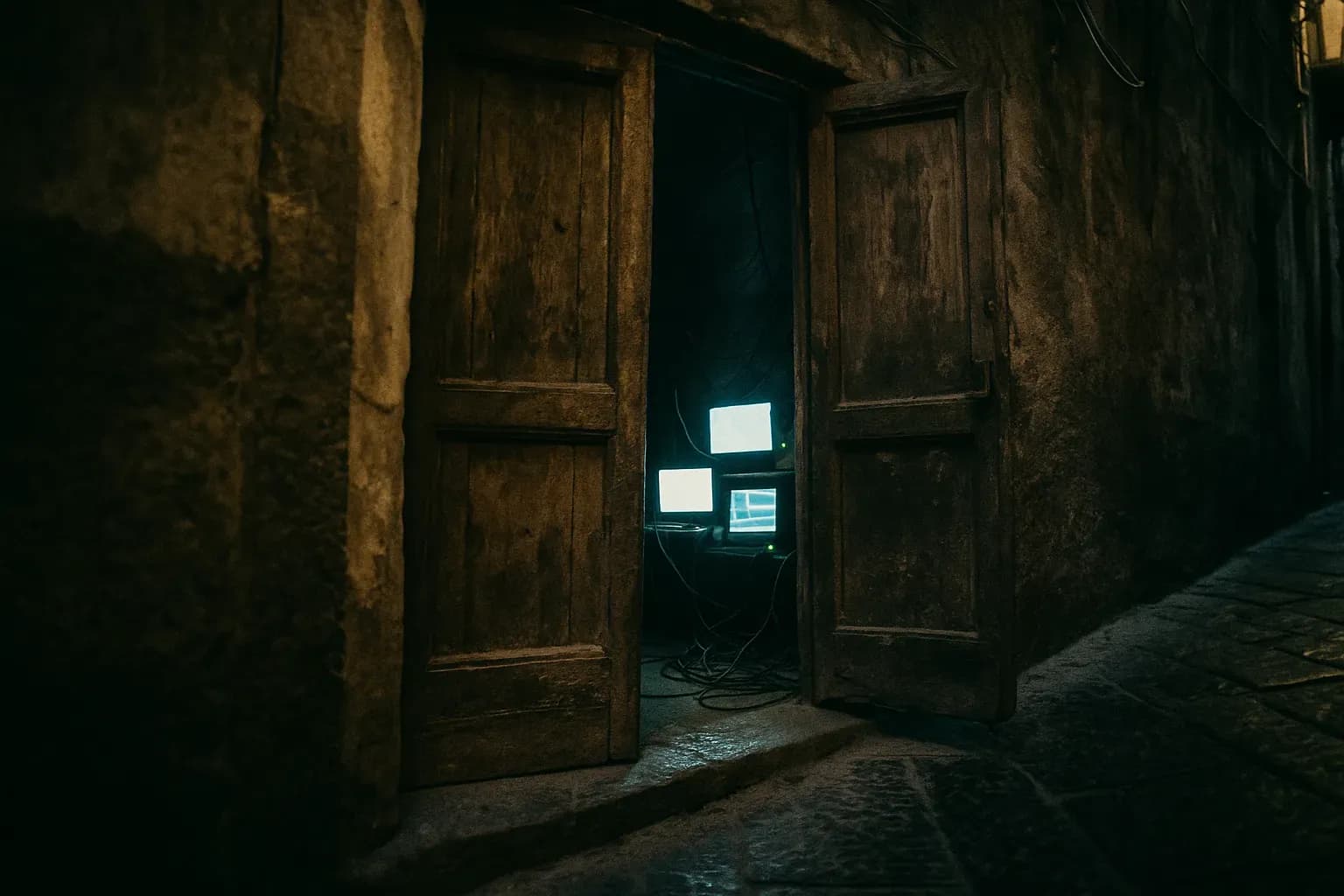
A worn wooden door in a narrow Naples alleyway, partially ajar, revealing a tangle of wires and computer screens glowing inside, symbolizing the Camorra's transition from traditional crime to global cybercrime operations.
CaseJune 6, 2025

Naples Mafia Reaches Across Europe: Camorra's Global Empire

The Camorra, a Neapolitan organized crime syndicate, has transformed from a regional Italian threat into a transnational criminal powerhouse with operations spanning Europe, North America, and Asia. Fueled by drug trafficking, weapons smuggling, and environmental crimes, the organization generates billions annually while leaving a trail of violence that claims innocent civilians.

MafiaDrug lordExtortion+27
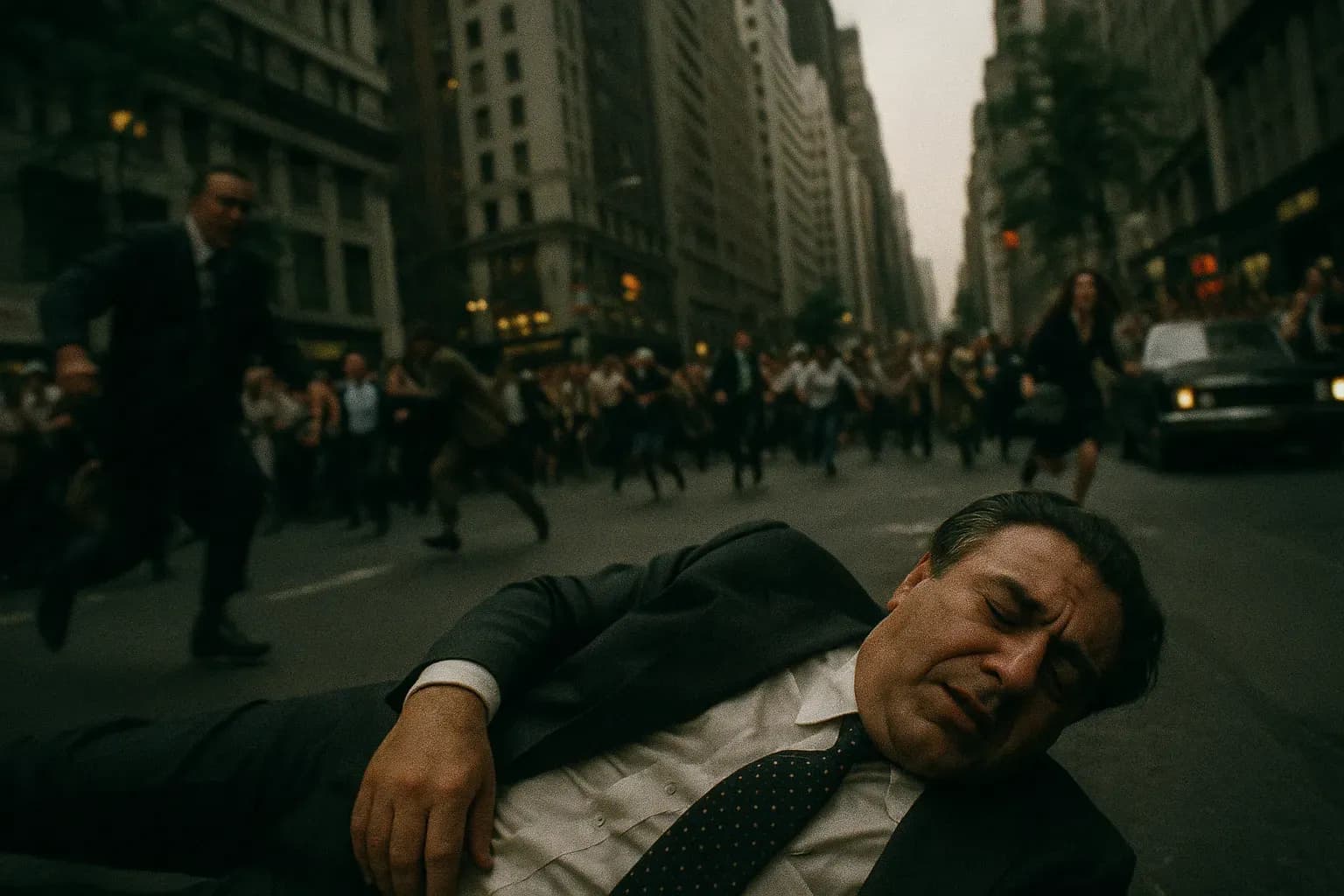
A figure resembling Joseph Colombo lies surrounded by chaos during the 1971 assassination attempt; visible crowds and a sense of panic in a bustling New York street.
CaseJune 6, 2025

The Colombo Crime Family: New York's Most Brutal Mafia Dynasty

The Colombo crime family emerged in 1928 as New York's youngest of the Five Families, built on bootlegging and eventually dominating organized crime across the Northeast. Known for extreme internal violence and brutality, the family's decline from 150 made members to just 75 by 1993 reflects decades of devastating internal wars and federal prosecution.

MafiaMurderExtortion+12
A figure resembling Simone “Sam the Plumber” DeCavalcante stands in a construction site, surrounded by blueprints and half-built structures, symbolizing his control over New Jersey's construction industry in the 1960s.
CaseJune 6, 2025

How the FBI Dismantled America's Real Sopranos

The DeCavalcante crime family, operating across New Jersey and New York as part of La Cosa Nostra, inspired HBO's The Sopranos. Between 1998 and 2015, the FBI launched major operations that would ultimately dismantle the family's leadership through informants, undercover agents, and the unprecedented cooperation of made members.

MafiaMurderExtortion+23
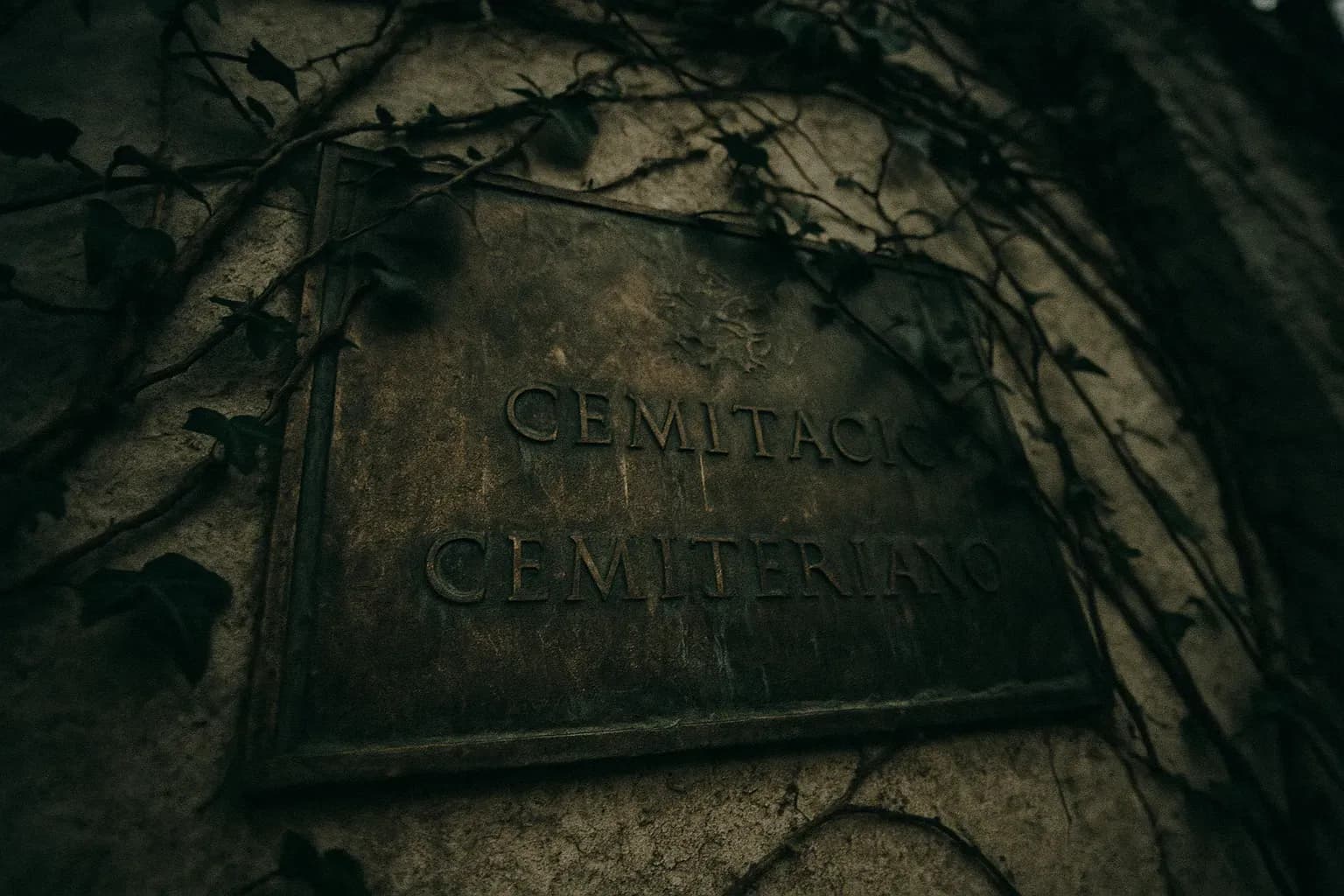
A weathered bronze plaque of the Vatican's Teutonic Cemetery, vines creeping over its edges. This serene yet eerie scene reflects the unsolved mystery of Emanuela Orlandi's disappearance, with historical whispers echoing through the secretive walls.
CaseJune 6, 2025

Emanuela Orlandi: 43 Years of Unanswered Questions

On 22 June 1983, 15-year-old Emanuela Orlandi disappeared from a bus stop in Rome after a flute lesson, sparking a mystery that has consumed investigators, Vatican officials, and true crime researchers for over four decades. The daughter of a Vatican clerk, her vanishing would trigger terrorism claims, alleged mob connections, and a case that remains officially unsolved.

Unsolved caseChurchMystery+17
A figure resembling John Paul Getty III with a bandaged head sits alone on a cobblestone street in Rome, a shadowy figure lurking nearby, symbolizing the 'Ndrangheta's threat.
CaseJune 6, 2025

The Getty Fortune's Darkest Hour: A Teenage Heir's Nightmare

On July 10, 1973, John Paul Getty III was dragged from a Rome street by members of the 'Ndrangheta and held captive in a Calabrian cave. What followed was a harrowing negotiation involving a severed ear, a multimillion-dollar ransom, and a billionaire grandfather's reluctance to pay.

MafiaRansomFamilicide+15
A figure resembling Jimmy Hoffa stands outside the Machus Red Fox restaurant in the evening light, glancing at his watch, surrounded by parked cars, symbolizing the moment before his disappearance on July 30, 1975.
CaseJune 6, 2025

Jimmy Hoffa: America's Most Notorious Unsolved Disappearance

James Riddle Hoffa, the powerful president of the International Brotherhood of Teamsters, disappeared on July 30, 1975, from a restaurant parking lot in Michigan. His case has become one of America's most enduring unsolved mysteries, with the FBI pointing to organized crime involvement but no body ever recovered.

Unsolved caseMafiaVanished+31
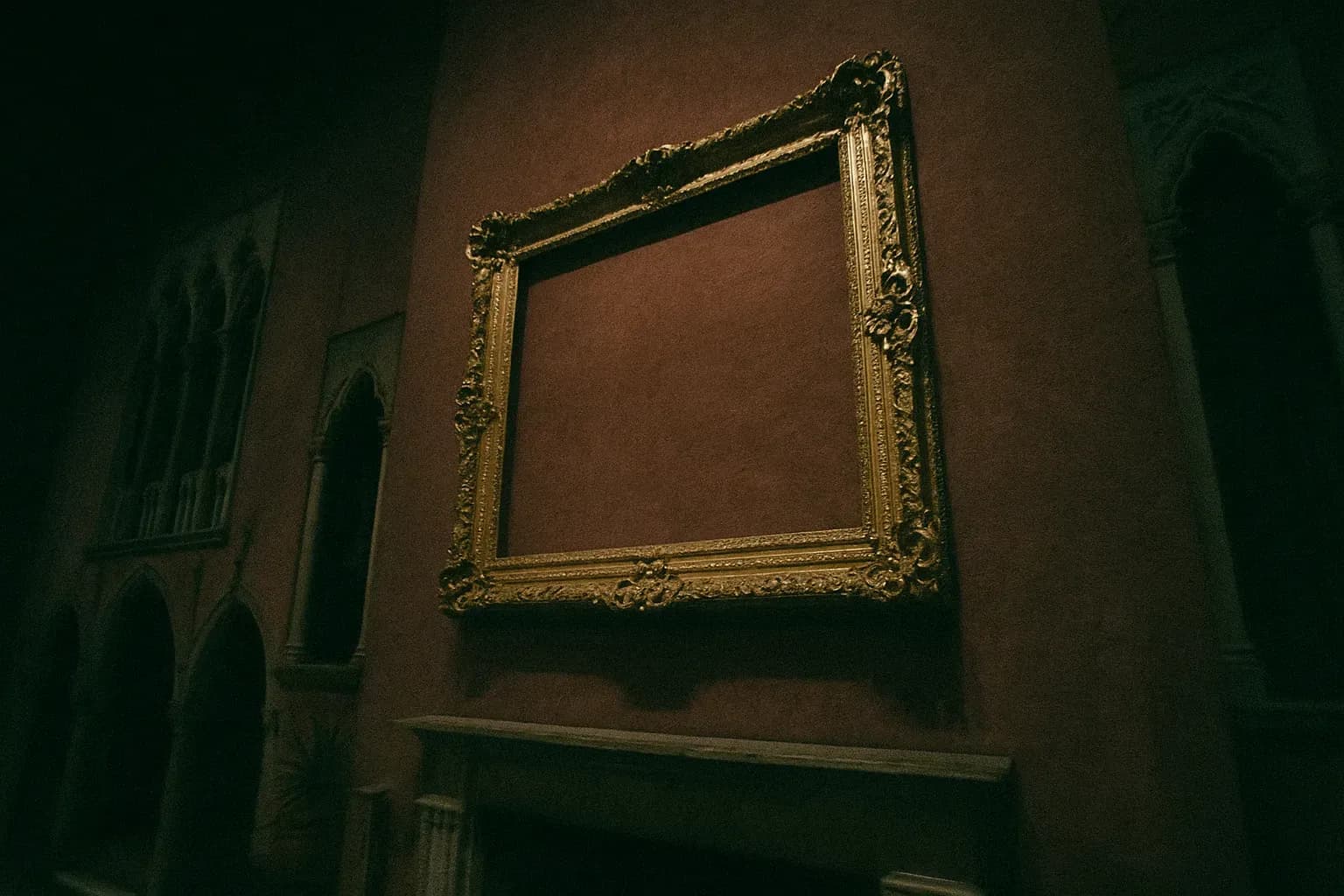
An empty, ornate frame hanging on the wall of the Isabella Stewart Gardner Museum, symbolizing the immense loss of Rembrandt's and Vermeer's stolen masterpieces during the infamous heist.
CaseJune 6, 2025

America's $500M Art Heist Remains Unsolved After 36 Years

On March 18, 1990, two men posing as police officers executed what the FBI calls history's largest known art theft at Boston's Isabella Stewart Gardner Museum. Thirteen masterpieces worth approximately $500 million vanished in a single night—and have never been recovered.

Art theftMuseumUnsolved case+18
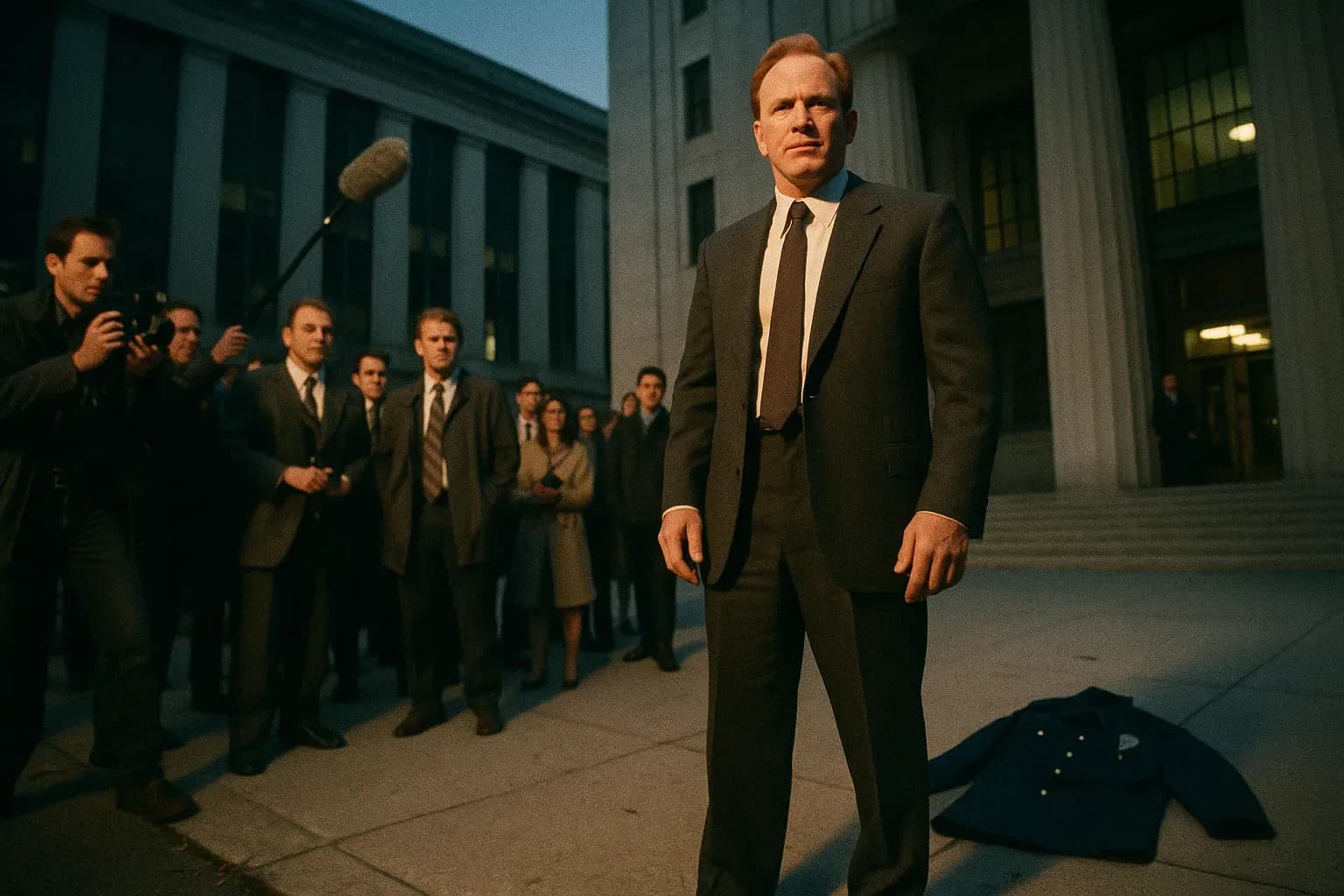
A figure resembling John 'Red' Kelley stands confidently outside a federal building, wearing a suit, amidst reporters and onlookers, while nearby, an empty police uniform lies discarded on the sidewalk.
CaseJune 6, 2025

The $1.5 Million Heist That Stumped America

On August 14, 1962, robbers dressed as police officers stopped a U.S. Postal Service armored truck on Route 3 in Plymouth, Massachusetts, and made off with $1.5 million in cash. Six decades later, the money remains missing and no one has ever been convicted.

RobberyBank robberyUnsolved case+34
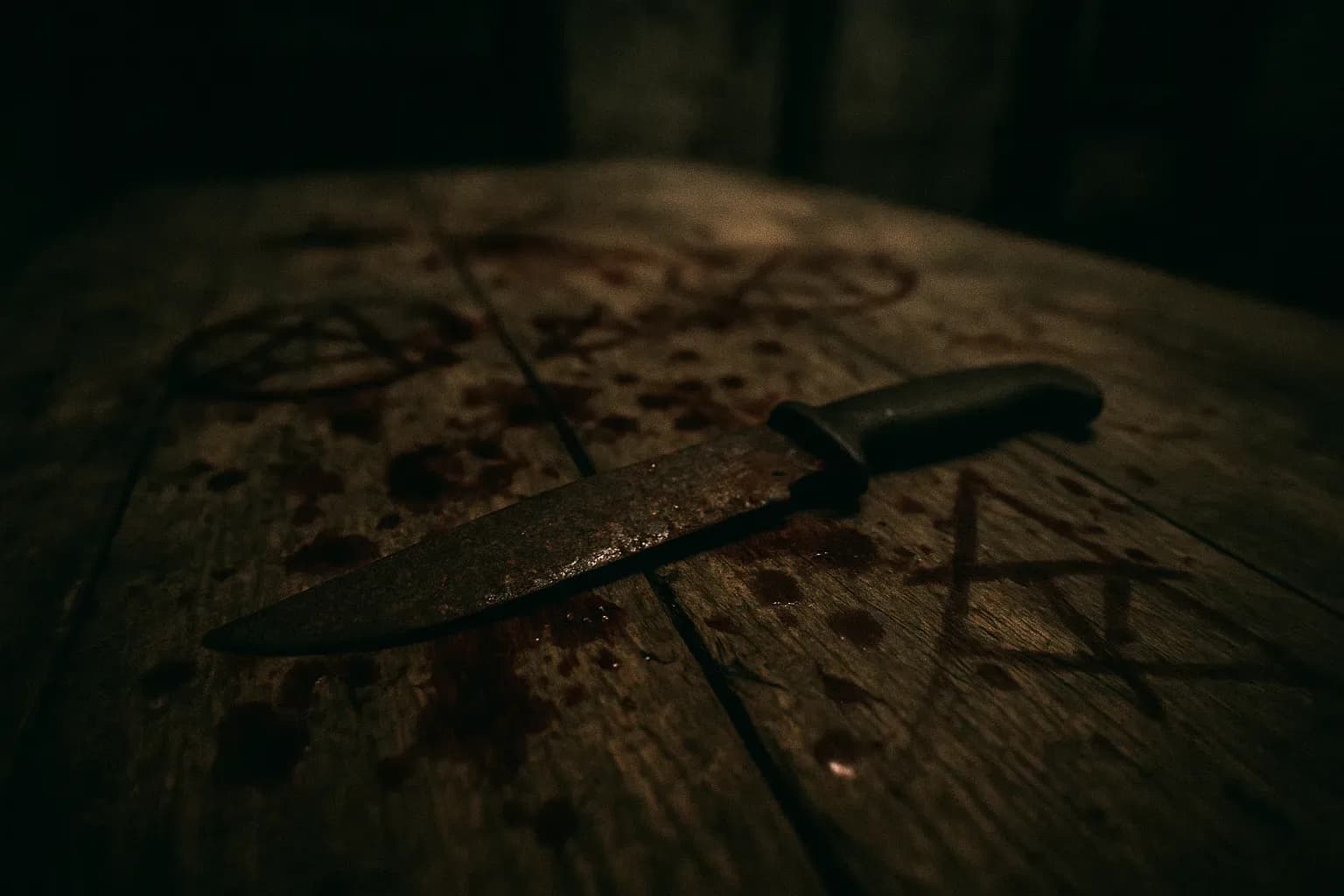
A rusted knife lies on a weathered wooden table in a dimly lit room, surrounded by dark red stains and symbols carved into the surface, reflecting the secretive rituals of Sacra Corona Unita.
CaseJune 6, 2025

Italy's Fourth Mafia: The Rise and Fall of Sacra Corona Unita

In the late 1970s, Camorra boss Raffaele Cutolo established Sacra Corona Unita in Italy's Puglia region, creating what would become the country's fourth-largest mafia organization. Operating across Brindisi, Lecce, Taranto, and beyond, the loosely-structured criminal network trafficked drugs internationally and terrorized southern Italy with extortion and bombings—until law enforcement dismantled it within two decades.

MafiaExtortionNarcotics+26
An empty, ornate frame hangs on a wall inside the Isabella Stewart Gardner Museum, its label barely visible. This haunting reminder of the 1990 heist symbolizes the enduring mystery of the missing Vermeer and Rembrandt masterpieces.
CaseJune 6, 2025

America's Greatest Art Heist: 34 Years Unsolved

On March 18, 1990, two men posing as Boston police officers walked into one of America's most prestigious museums and walked out with 13 masterpieces worth over $500 million. Three decades later, the perpetrators remain at large and not a single painting has been recovered.

Art theftMafiaUnsolved case+17
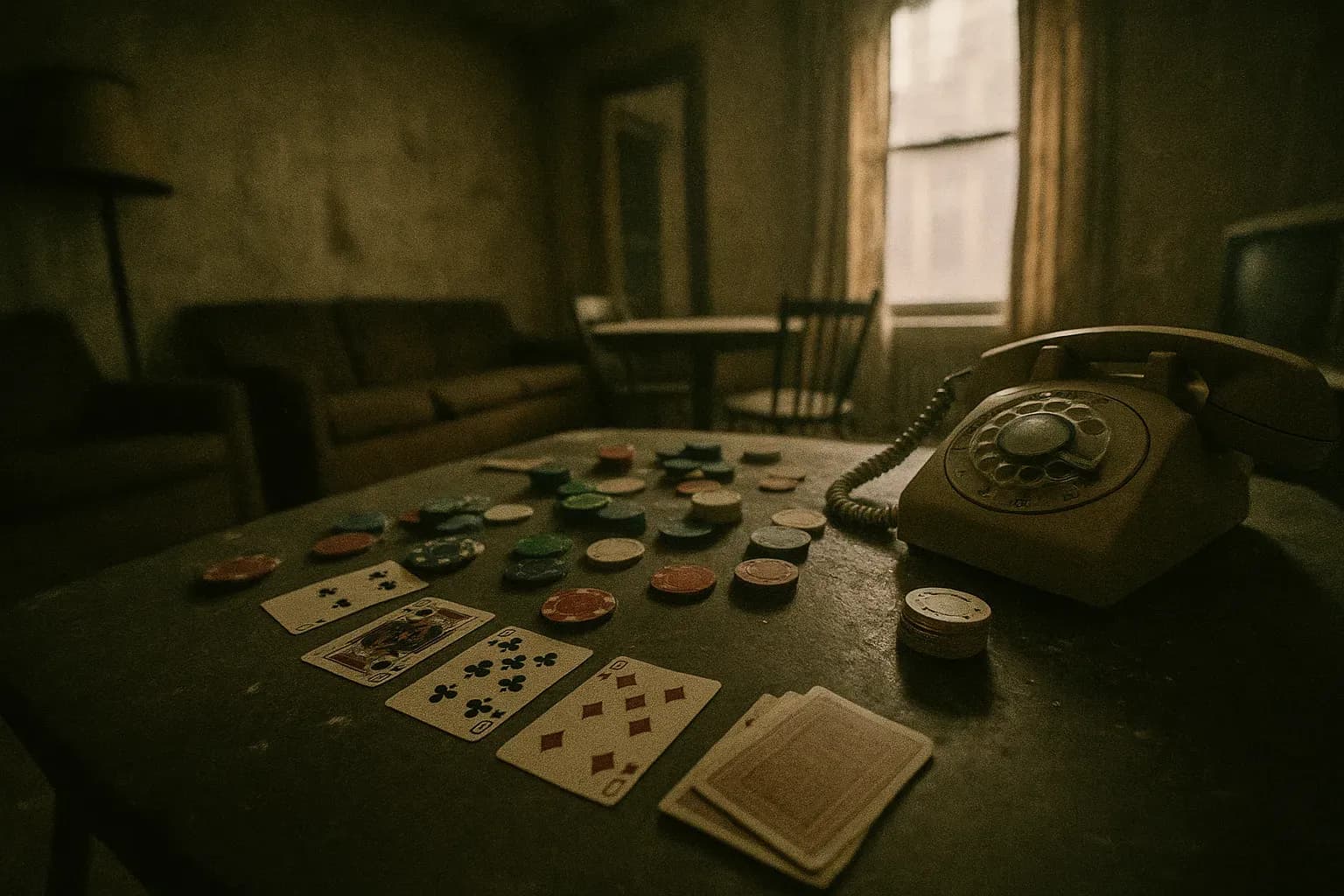
A dusty, dimly lit room in a New York apartment in the 1970s, scattered with cards and poker chips on a table. An old rotary phone sits nearby, symbolizing connections to the Bonanno crime family.
CaseJune 6, 2025

The Bonanno Crime Family: A Century of New York Mafia Power

The Bonanno crime family emerged from the violent Castellammarese War of the early 1930s to become one of New York City's most powerful Mafia organizations. Led for three decades by Joseph Bonanno, the family expanded from Brooklyn across North America until internal corruption and federal investigation fractured its ranks.

MafiaExtortionCorruption+29
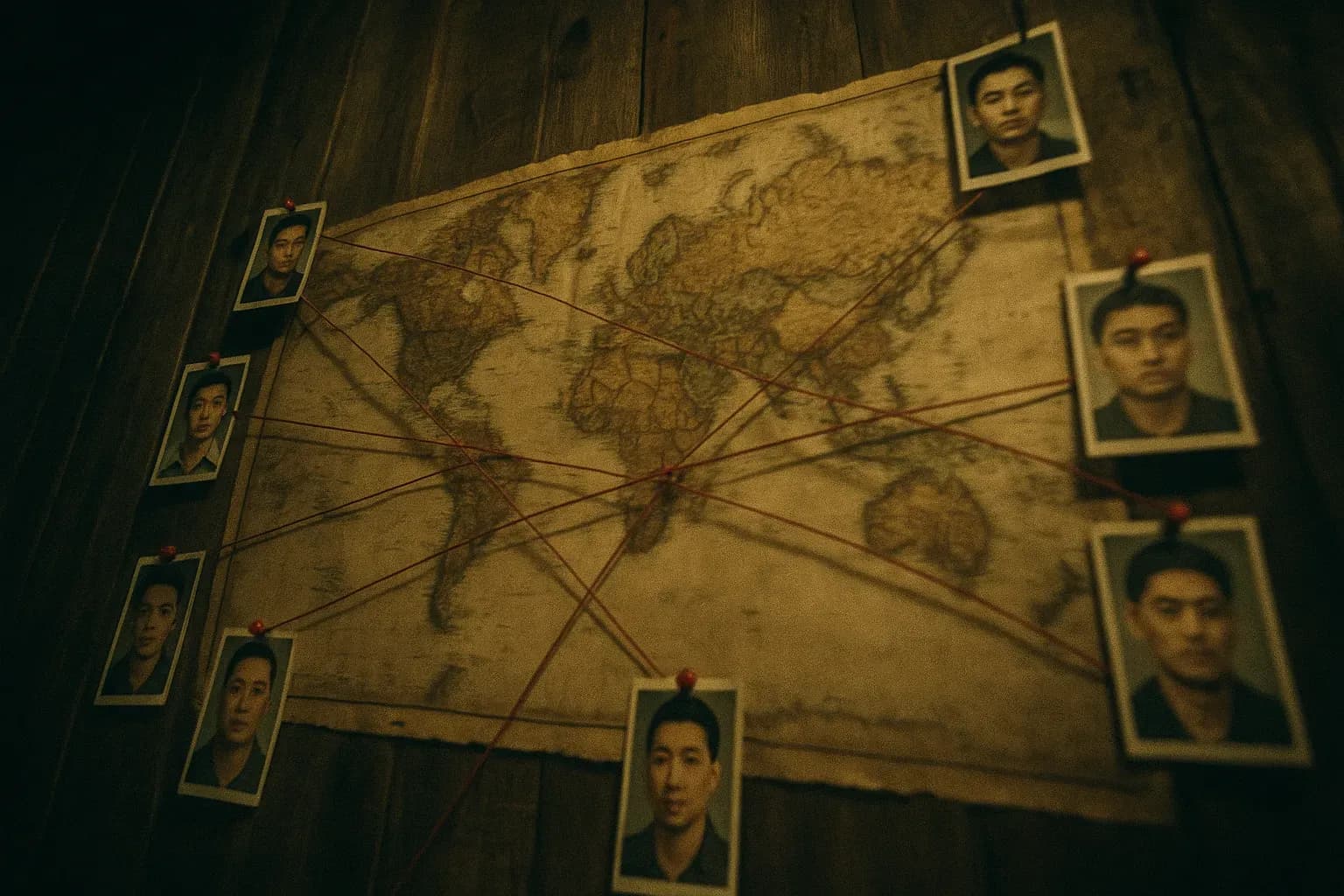
A weathered map of the world pinned to a wooden wall, red strings connecting various cities, with small photos of notable United Bamboo Gang leaders around it
CaseJune 6, 2025

United Bamboo Gang: Taiwan's Criminal Empire

The United Bamboo Gang, also known as Bamboo Union, has operated as Taiwan's largest criminal triad since its founding in 1956–1957, commanding approximately 20,000 members across 13 divisions and 68 branches. What began as a local protection racket has transformed into a sophisticated international criminal enterprise involved in drug trafficking, human smuggling, cyber fraud, and money laundering—with operations spanning California, Las Vegas, and mainland China.

MafiaCorruptionDrug lord+29
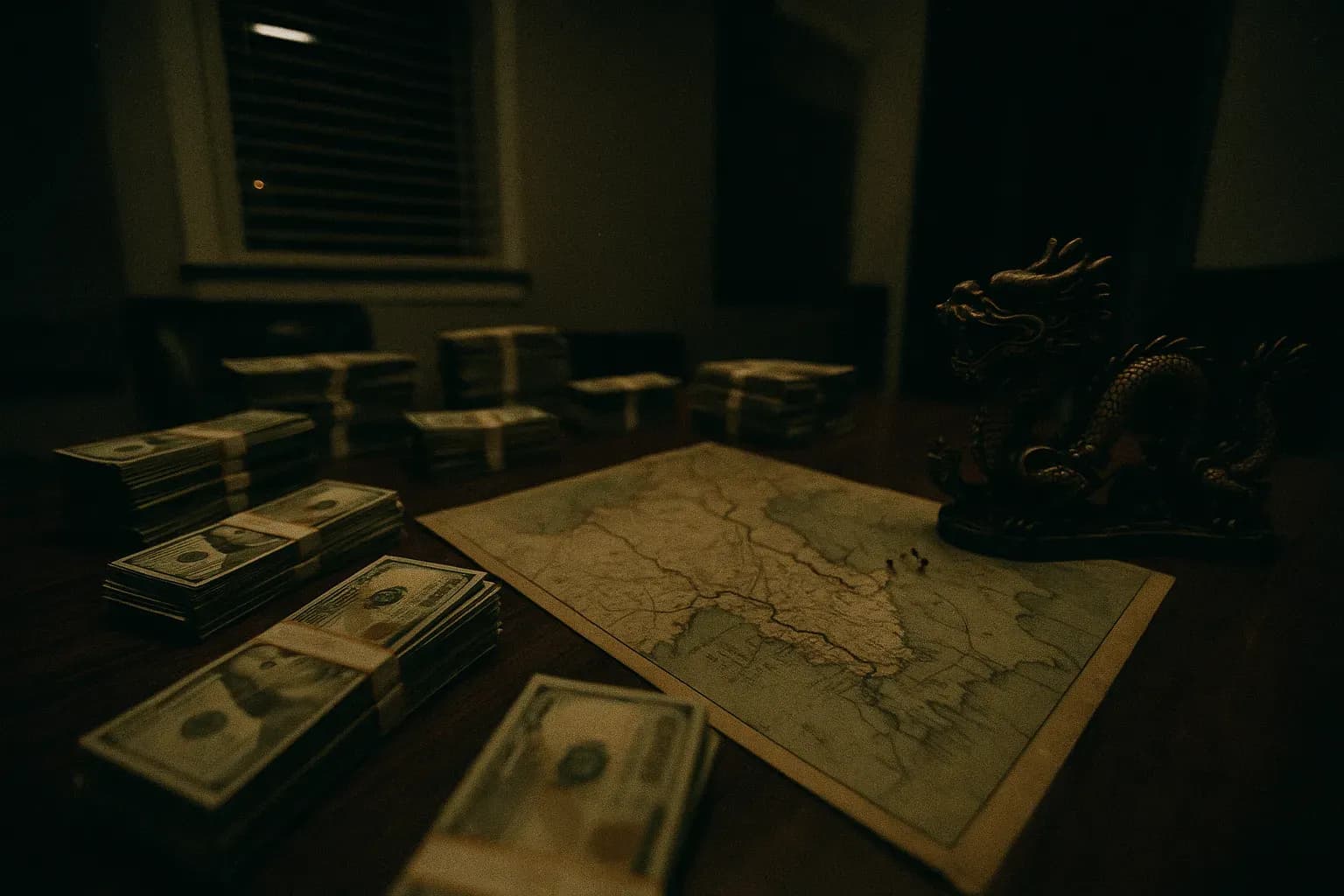
A table inside a dim room in Vancouver, covered with stacks of cash, a worn map of the Golden Triangle, and a traditional Chinese dragon figurine, symbolizing the reach of the triads.
CaseJune 6, 2025

Chinese Triads Expand Money Laundering Empire Across Europe

Chinese Triad organizations have established a sophisticated global money-laundering infrastructure that extends far beyond traditional Asian strongholds. Operating from bases in Hong Kong and mainland China, groups like Sun Yee On, Wo Shing Wo, and 14K have displaced Latin American cartels from key financial corridors, with presence confirmed in Scandinavia, the UK, Canada, and Australia.

Gang crimeMoney launderingNarcotics+30
Bandeland draws listeners deep into Denmark's criminal underworld
PodcastMay 26, 2025

Bandeland: Denmark's Premier Organized Crime Podcast

Bandeland is a Danish true-crime podcast produced by the newspaper Ekstra Bladet that investigates organized crime across Denmark. Hosted by journalist Tine Røgind, the series combines investigative reporting with insider access to reveal gang wars, criminal networks, and the intersection of crime with established society.

Gang crimeBikerCartel+16
The Great Art Heist
TV SeriesMay 26, 2025

The Gardner Museum Heist: Art Crime's Unsolved Masterpiece

On March 18, 1990, two thieves dressed as Boston police officers entered the Isabella Stewart Gardner Museum, overpowered security guards, and stole 13 artworks including Rembrandts and a Vermeer—a crime that remains unsolved 34 years later.

Art theftMafiaUnsolved case+12