True crime news logo

Sign up for our newsletter and get the latest stories

Never miss the latest true crime news, reviews and top lists — plus new podcasts, series, films and books.

You can unsubscribe with one click from any email.

True crime news logo

The international true crime destination. Cases, documentaries, podcasts and travel routes.

© 2026 truecrime.news. All rights reserved.

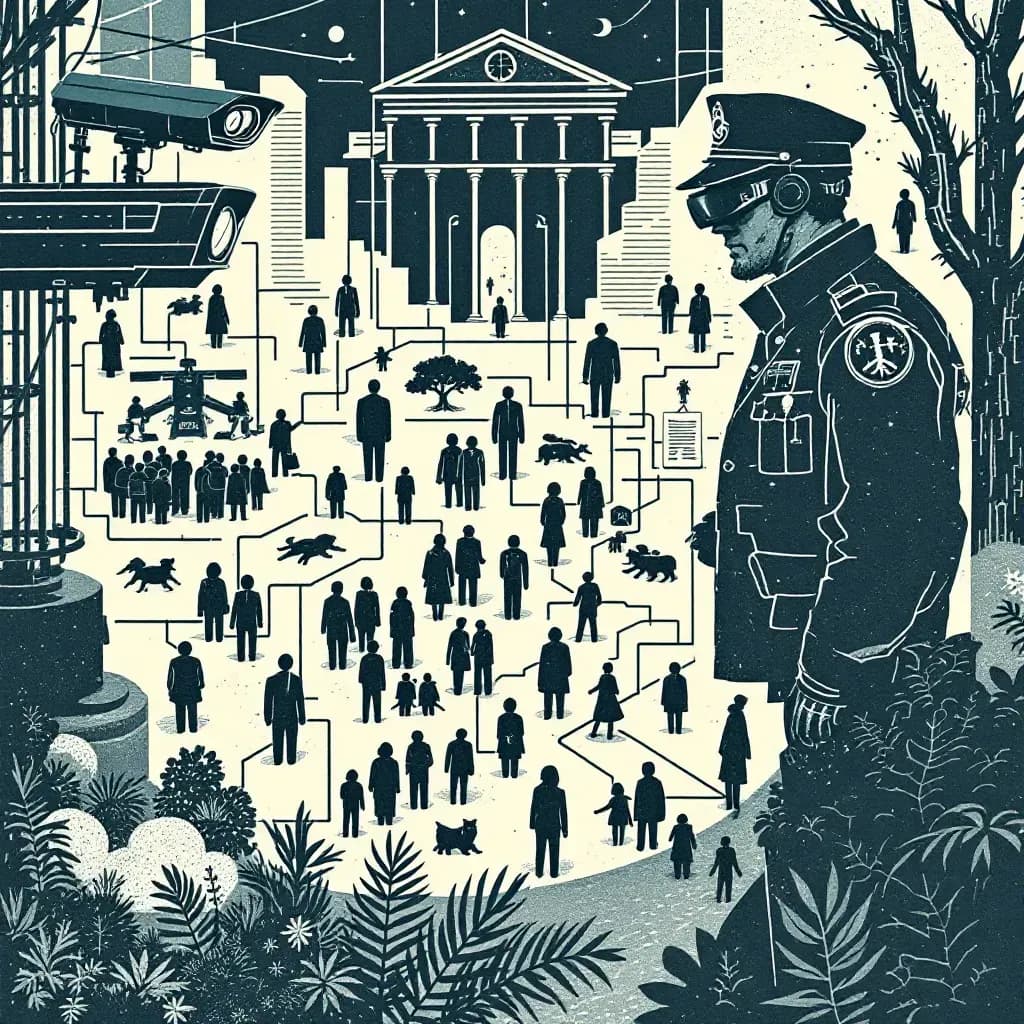
A network of surveillance equipment, informants covertly observing citizens, and psychological documents illustrating the oppressive 'Zersetzung' tactic used by the Stasi in the GDR.

Stasi

The reign of fear in the GDR – surveillance, 'Zersetzung' and its crushing legacy

Stasi: Discover how the GDR's secret police systematically shattered lives through surveillance, informants, and the dreaded 'Zersetzung' tactic. A chilling legacy.


The reign of fear in the GDR – surveillance, 'Zersetzung' and its crushing legacy


State as perpetrator: Stasi's network of fear in the GDR


Stasi, an abbreviation for the German *Ministerium für Staatssicherheit* (Ministry for State Security), was the notorious and all-encompassing intelligence and security service in the former East Germany, also known as the GDR. Within true crime, the Stasi serves as a terrifying example of how a state can conduct systematic *surveillance*, *espionage*, and psychological warfare against its own population. Here, the lines between legitimate state power and criminal acts committed by the state itself were deliberately blurred. The core of the Stasi's power was a vast network of full-time officers and an even larger corps of unofficial *informants* – often ordinary citizens pressured or enticed into spying on friends, family, colleagues, and neighbors. This pervasive *surveillance* created a society characterized by fear and mistrust, where any deviation from the socialist state's official ideology could result in severe reprisals, including job loss, social isolation, imprisonment, and systematic psychological breakdown.


Stasi's feared weapon: How the terror of 'Zersetzung' worked


The Stasi's methods were numerous and deeply violated individual privacy. They included, among other things, routine mail opening, phone tapping, secret searches of private homes (known as "konspirative Wohnungssuchen"), infiltration of critical groups, and the use of the notorious "Zersetzung" tactic. *Zersetzung*, which can be directly translated as decomposition, was a particularly perfidious form of psychological warfare designed to slowly destroy a person's mental health, self-confidence, reputation, and social network through targeted rumor-mongering, manipulation, and organized harassment. The goal was often to induce severe *psychological* distress or even mental illness in the victims. Although these actions were carried out under the guise of protecting state security, many of them today constitute clear examples of serious crimes, such as stalking, defamation, severe *psychological violence*, and unlawful detention. Understanding the Stasi's operations is therefore essential to illuminate how a *totalitarian regime* can institutionalize behavior that violates fundamental *human rights* and operates within a criminal spectrum to maintain power.


Legacy of the Stasi: Archives on systematic state abuse


The investigation into the Stasi's extensive crimes, which truly gained momentum after the *fall of the Berlin Wall* in 1989, revealed a shocking system of state abuse and widespread lawlessness. The opening of the vast *Stasi archives* has documented countless personal tragedies and the devastating effect the Stasi's activities had on both individual lives and the general cohesion of society, underscoring the Stasi's significant relevance to the true crime genre. This is not merely about isolated criminal acts, but about a state's systematically organized crime directed against its own citizens. Access to the archives has given many victims painful insight into who betrayed them and how their lives were manipulated. At the same time, it has left a complex legacy of guilt, responsibility, and an enduring need to understand the mechanisms that enabled such a pervasive apparatus of repression in the heart of Europe during the *Cold War*.


The Stasi's methods were brutal – from 'Zersetzung' to extensive surveillance. Has this sparked your interest? Delve into real-life Stasi cases – find our fascinating case studies below.
Posts Tagged “Stasi”

8 posts
True Crime Tour Dresden — Dunkle Geschichte an Elbe und Altstadt
RuteMay 8, 2026

True Crime Tours in Dresden — Dark History Along the Elbe

Dresden's baroque streets hide a violent past. Several bookable true crime tours now bring the city's darkest chapters to life after dark.

DresdenStasiDDR+4
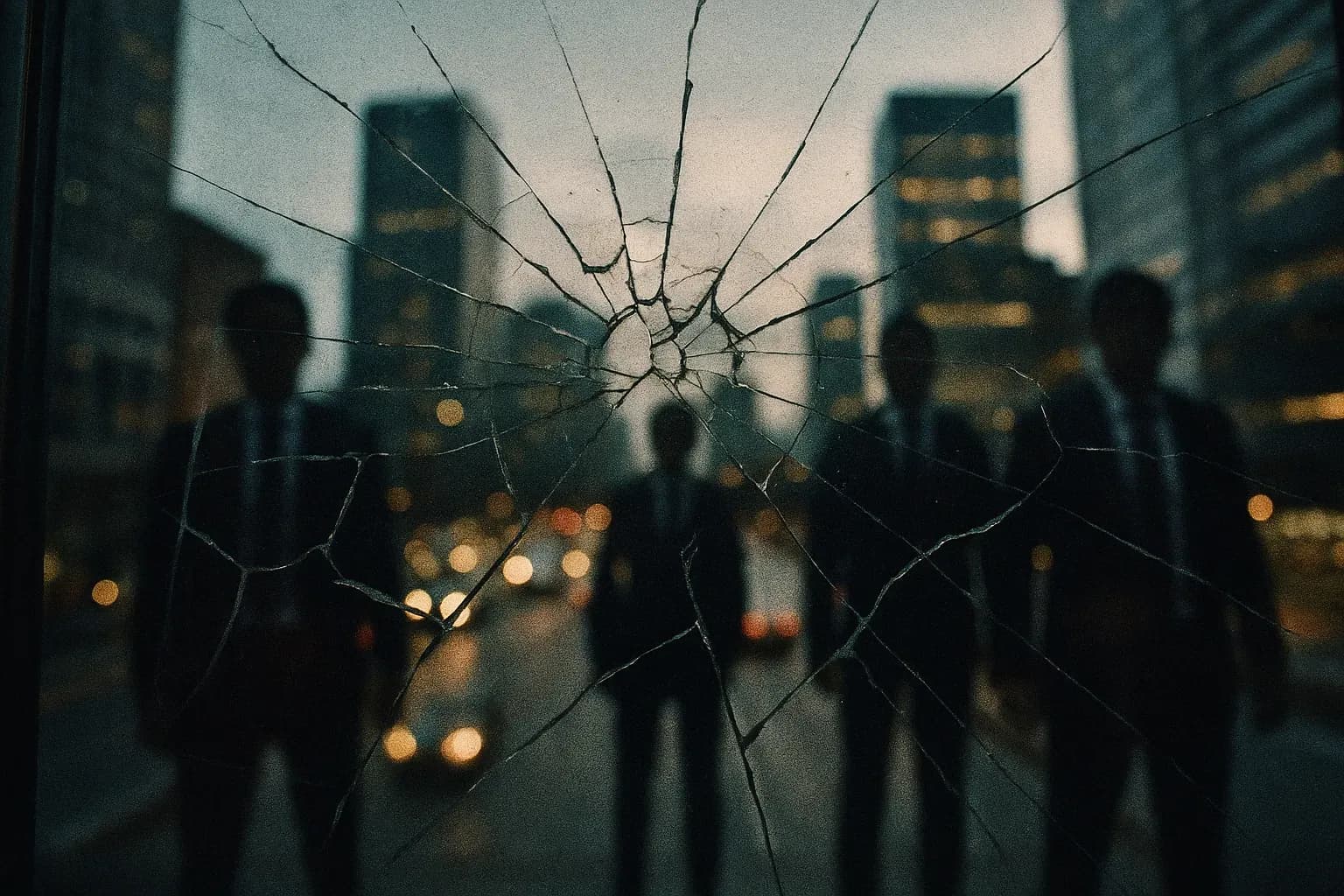
A cracked Equifax logo on a glass door with reflection of anonymous figures in suits, symbolizing espionage and security failure, against the backdrop of a busy urban landscape.
CaseJune 6, 2025

U.S. Charges Chinese Military Officers in Massive Equifax Hack

U.S. federal prosecutors charged four members of China's People's Liberation Army on February 10, 2020, with orchestrating one of the largest data breaches in history. The defendants allegedly exploited a vulnerability in Equifax's systems to steal sensitive information from approximately 145 million Americans over a two-month period in 2017.

Data breachIdentity theftCrypto+29
A partially-assembled wooden glider hidden in the attic of Colditz Castle, surrounded by makeshift tools and plans, remnants of a daring escape attempt by Allied prisoners during World War II
CaseJune 6, 2025

Colditz Castle: From Royal Residence to Escape-Proof POW Camp

Perched 400 feet above the Mulde River in eastern Saxony, Colditz Castle housed some of World War II's most determined escape artists. Between 1939 and 1945, over 130 prisoners attempted to flee the supposedly inescapable fortress, with dozens succeeding against overwhelming odds.

World war iiPrisoner of warEscape+27
A figure resembling John DeLorean stands near a sleek DeLorean DMC-12 car, displaying a look of defiance and exhaustion.
CaseJune 6, 2025

DeLorean: From Auto Visionary to Cocaine Defendant

John Z. DeLorean, the former General Motors executive who became famous for designing the iconic DMC-12 sports car, faced two separate federal criminal trials in the mid-1980s—one alleging drug trafficking, the other accusing him of defrauding investors of $8.5 million. He was acquitted in both cases.

NarcoticsBriberyFbi+28
A compromised Microsoft Exchange server displays a terminal screen filled with cryptic code, cables snaking out as a technician in the background examines the setup, symbolizing the widespread impact of the 2021 Hafnium cyberattack.
CaseJune 6, 2025

Chinese State Hackers Breached Thousands via Microsoft Exchange

A state-sponsored Chinese threat actor known as HAFNIUM launched a sophisticated cyberattack against Microsoft Exchange servers beginning January 6, 2021, remaining undetected for two months before Microsoft's March disclosure revealed the breach had compromised thousands of organizations worldwide.

CybercrimeEspionageData breach+21
The roof of the United California Bank in Laguna Niguel, showing a gaping hole blasted with dynamite, surrounded by debris from the notorious 1972 heist linked to Amil Dinsio's gang.
CaseJune 6, 2025

The $12 Million Vault Heist That Allegedly Targeted Nixon

In March 1972, a team of thieves tunneled into the United California Bank in Laguna Niguel, California, and emptied 458 safe deposit boxes in what became the largest bank vault burglary in U.S. history at that time. Decades later, the mastermind would claim the heist was far more than simple theft—it was a calculated strike against President Richard Nixon.

Bank robberyCorruptionHigh-profile case+14
A figure resembling Alfred Hinds, handcuffed, being escorted by police outside Dublin courthouse, onlookers and journalists gathering around in the background.
CaseJune 6, 2025

Houdini Hinds: The Man Who Escaped Justice Three Times

Alfred George Hinds, born in London in 1917, became one of Britain's most notorious escapees after his conviction for the 1953 Maple Jewelry Store robbery. Claiming innocence, he engineered three audacious prison escapes and ultimately won a libel case that vindicated his claims.

EscapeUnsolved caseHigh-profile case+26
The Lazarus Heist: exposing the global cyber threat
PodcastMay 26, 2025

Inside Lazarus: North Korea's $2 Billion Cyber Empire

The Lazarus Group, a North Korean state-sponsored hacking operation active since at least 2009, has stolen billions in cryptocurrency and launched devastating attacks on governments and corporations worldwide. The FBI confirms the group serves as a financial engine for Kim Jong-un's regime, circumventing international sanctions.

CybercrimeHackingConspiracy theory+16