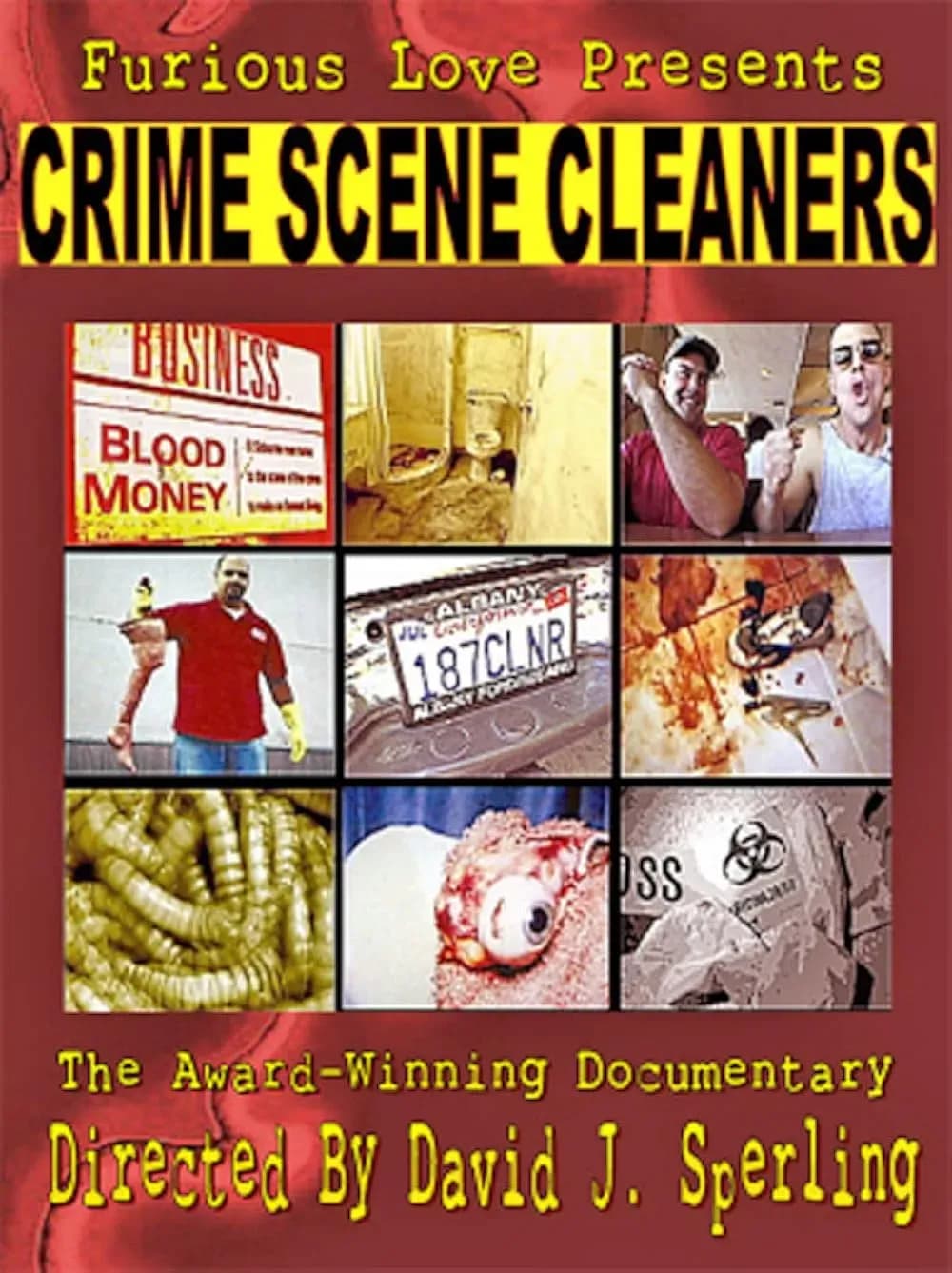
Crime Scene Cleaners: A Brutal Entry into the World of Tragedy
Neal Smither and the world of crime scene clean-up
"I don't see us as cleaners; I see us as finishers," declares Neal Smither proudly in the documentary Crime Scene Cleaners. The film opens the door to a rarely highlighted world where Smither and his company clean up after human tragedies. The documentary takes us into a daily life filled with challenging tasks and emotional demands, from cleaning suicide scenes to removing bodily remains after fatal accidents. Smither, the film's central figure, navigates these daunting situations with a directness that is at times striking, which the documentary captures.
Ethics and criticism: Smither caught in a moral storm
The documentary delves deep into the ethical dimensions that Smither wades through daily. He aims to alleviate the trauma of the bereaved by removing the physical reminders of the tragedy. Yet his methods and approach divide opinion, with some seeing them as necessary, while others criticize aspects of his communication style and approach towards clients and employees. The raw access draws attention to discussions about ethics and morality in a frequently overlooked industry.
From documentary to cultural phenomenon
Crime Scene Cleaners has become an important reference for those seeking insight into the mental and practical dimensions of biohazard cleaning. The film's exposure has stirred interest in the topic and helped inspire related television content, including the series True Grime: Crime Scene Clean Up. Through various platforms, the documentary continues to challenge our understanding of the emotional work environment and contributes to the debate on how we handle the grim scenes that life occasionally leaves us with.
Watch Crime Scene Cleaners and related content online – and follow KrimiNyt for more in-depth true crime analysis.