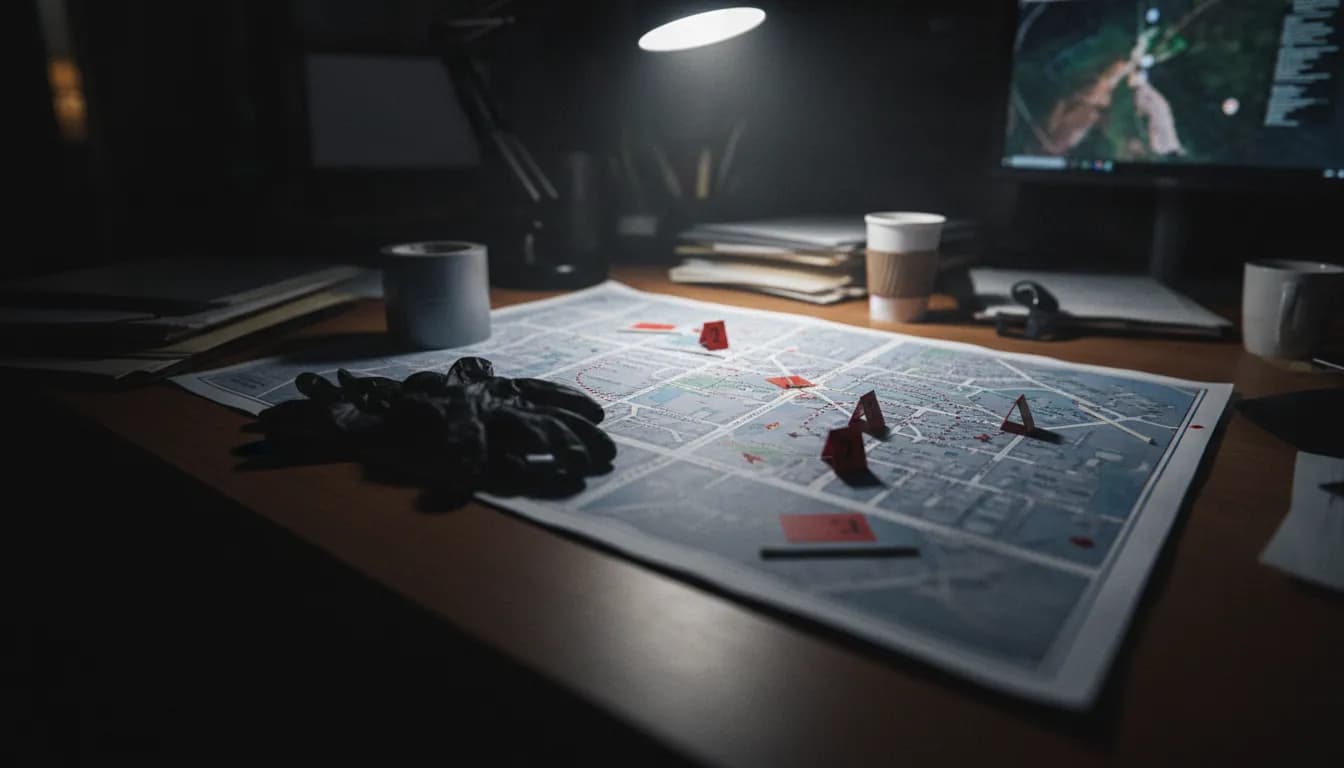
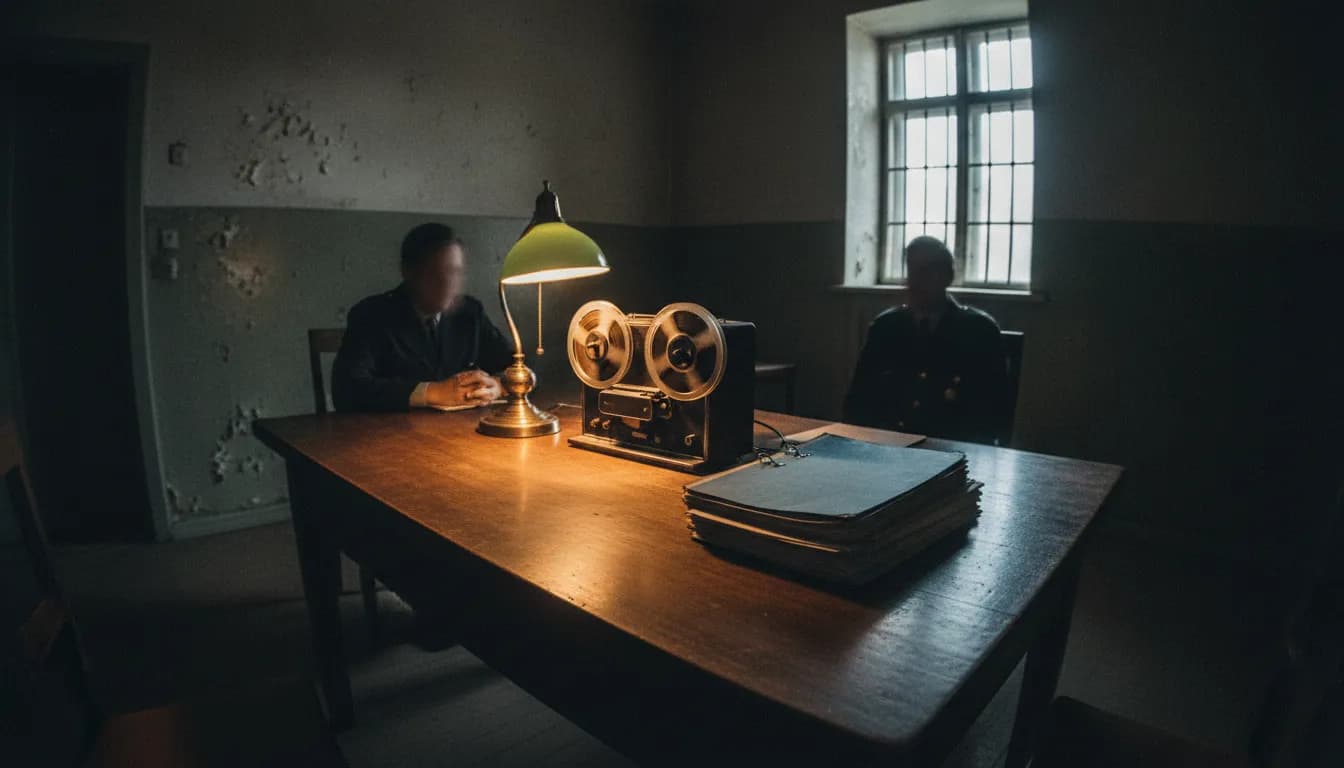
Expert interview on murder investigation
Interview with a specialized professional conducted to obtain technical analysis, expert opinion, or interpretation of physical evidence during a homicide investigation.
Definition
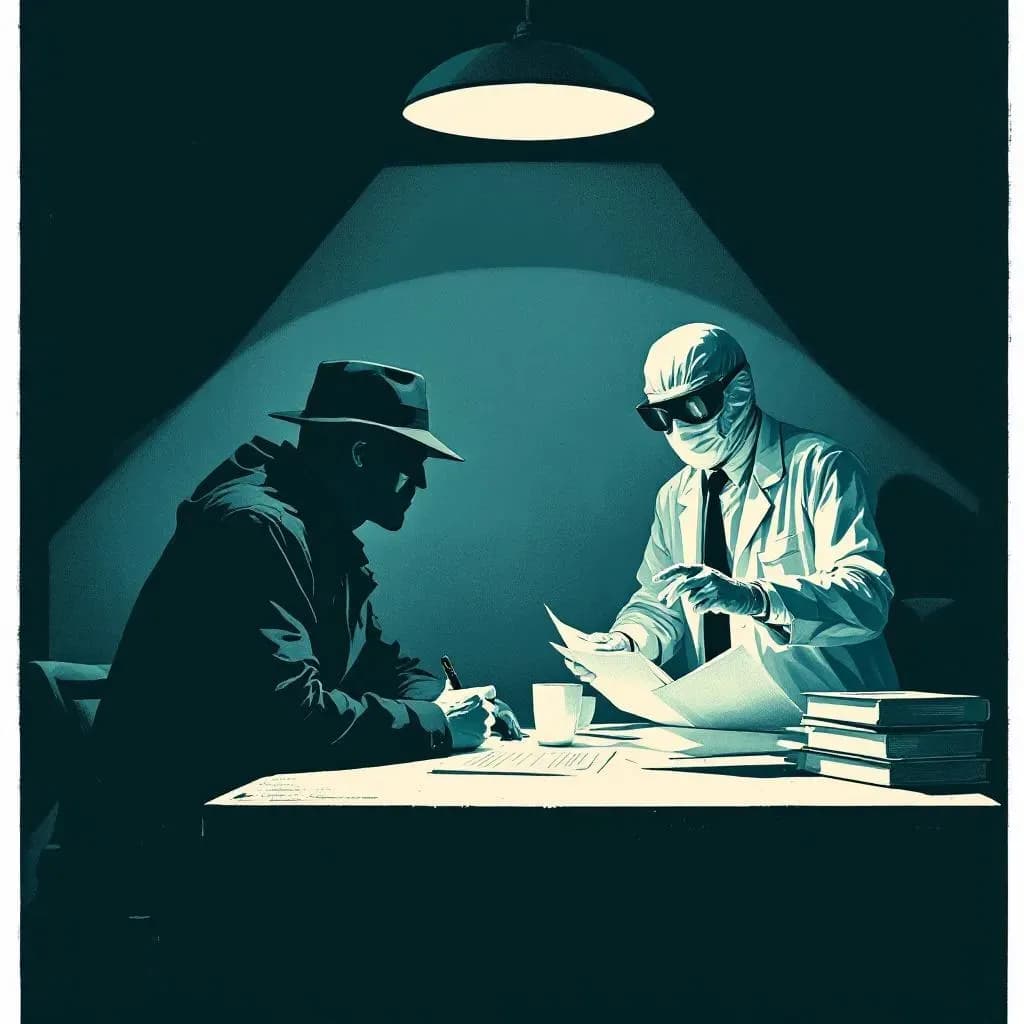
An expert interview in a murder investigation is a formal or informal consultation with a subject-matter specialist to analyze evidence, explain technical findings, or provide professional opinions relevant to solving a homicide. These interviews are conducted with forensic pathologists, ballistics examiners, DNA analysts, crime scene reconstructionists, toxicologists, entomologists, or other specialists whose expertise can clarify evidence or establish facts about the cause, manner, or circumstances of death.
In investigative practice, detectives and prosecutors use expert interviews to understand complex physical evidence before filing charges or presenting a case. For example, a medical examiner may be interviewed to explain autopsy results, time of death estimates, or injury patterns; a firearms expert may discuss trajectory analysis or weapon identification; a digital forensics specialist may interpret cell phone records or computer data. These interviews help investigators formulate theories, eliminate suspects, or identify investigative leads that might otherwise be overlooked.
Expert interviews differ from expert testimony in that they occur during the investigative phase rather than at trial, and the information obtained may not be formally documented or admissible in court unless the expert is later called as a witness. Defense attorneys also conduct expert interviews to challenge prosecution theories, obtain independent analysis of evidence, or prepare cross-examination strategies. The insights gained can be decisive in determining whether a death was homicide, suicide, accident, or natural causes.
In true crime media, expert interviews serve an explanatory function, translating technical forensic concepts for general audiences. Producers interview criminologists, retired detectives, or forensic specialists to provide context, explain investigative methods, or offer professional assessment of how evidence was analyzed. These interviews enhance narrative understanding and lend credibility to the presentation of complex criminal cases.