True crime news logo
  • Krimidex

Sign up for our newsletter and get the latest stories

Never miss the latest true crime news, reviews and top lists — plus new podcasts, series, films and books.

You can unsubscribe with one click from any email.

True crime news logo

The international true crime destination. Cases, documentaries, podcasts and travel routes.

© 2026 truecrime.news. All rights reserved.

Krimidex/Forensic medicine
Procedural term

Forensic medicine

The medical discipline that applies clinical and scientific knowledge to investigate deaths, injuries, and other matters relevant to criminal and civil legal proceedings.
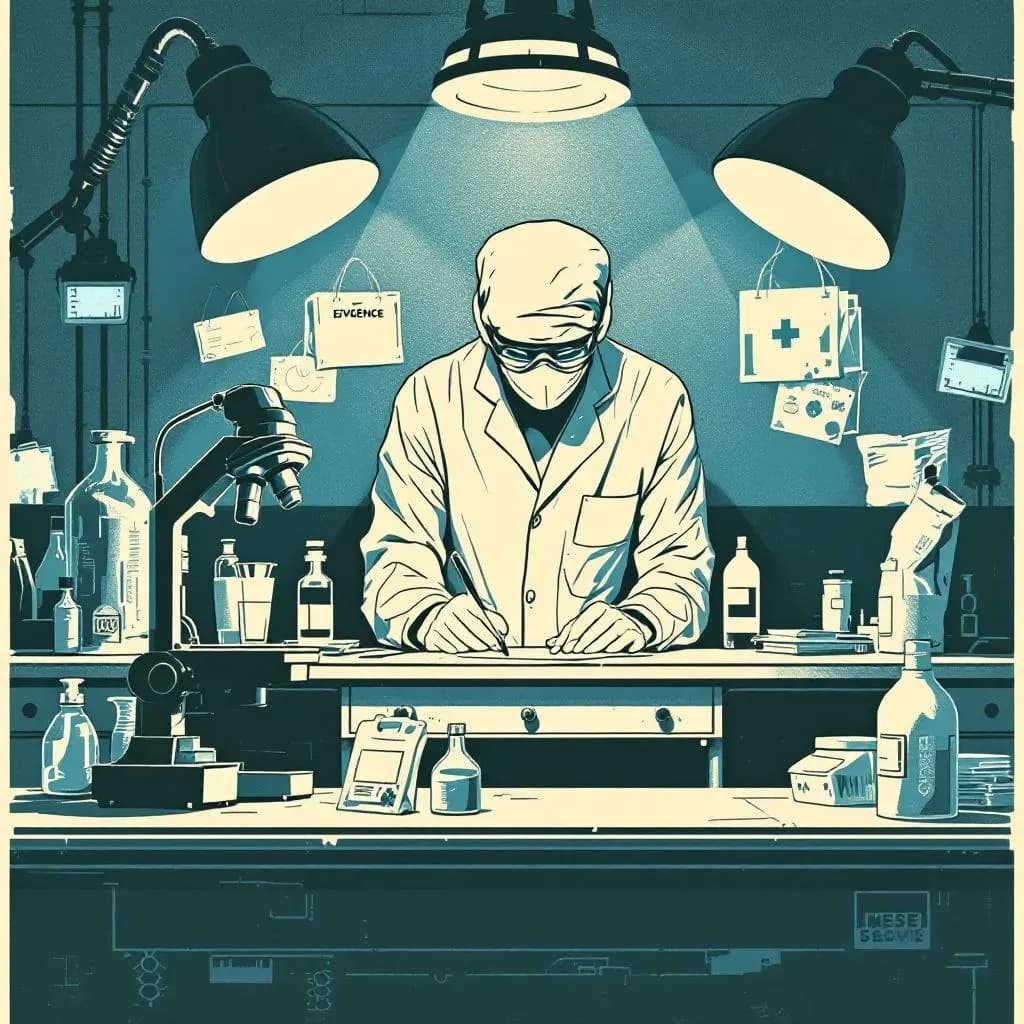
Retsmedicin — linocut illustration

Definition

Forensic medicine (Danish: retsmedicin) is the branch of medicine concerned with the application of medical knowledge to questions of law. It encompasses the scientific examination of bodies, tissues, and biological evidence to determine cause of death, manner of death, timing of injuries, and other facts crucial to legal investigations. Forensic physicians, also known as medical examiners or forensic pathologists, perform autopsies, analyze toxicology results, and provide expert testimony in court proceedings.

In true crime cases, forensic medicine plays a critical role in establishing the facts surrounding suspicious deaths and violent crimes. A forensic pathologist may determine whether a death was natural, accidental, suicidal, or homicidal by examining wound patterns, decomposition stages, and internal organ damage. Toxicology testing can reveal the presence of drugs, poisons, or alcohol in a victim's system. Time-of-death estimation, though imprecise, helps investigators establish timelines and verify or contradict suspect alibis.

Forensic medicine extends beyond death investigation to include living victims of assault, sexual violence, and abuse. Forensic physicians document injuries, collect biological evidence such as DNA samples, and assess whether injury patterns are consistent with reported events. This documentation often becomes crucial evidence in criminal prosecutions.

In the U.S. federal system, forensic medical evidence is admissible under the Federal Rules of Evidence, particularly Rule 702 governing expert testimony. While federal criminal statutes in Title 18 do not define forensic medicine as a specific legal term, forensic medical findings frequently support prosecutions for crimes including murder, assault, drug trafficking, and civil rights violations. Federal agencies such as the FBI maintain forensic laboratories that work alongside medical examiners in major criminal investigations.

The field requires extensive medical training followed by specialized forensic pathology residency. Forensic medicine intersects with other forensic disciplines including toxicology, anthropology, odontology, and DNA analysis, forming the scientific foundation of modern criminal investigation.


Related entries

Retsmedicin

Cases

No cases yet.

Related articles

Hamburger Säurefassmörder — Torsten O.

The Hamburg Acid Vat Murderer — Torsten O.

Torsten O. was a German serial killer who confessed to murdering at least 10 people in Hamburg between the 1970s and 1990s by dissolving their bodies in sulfuric acid. Operating across several decades in the industrialized city, his methodical approach to destroying evidence made him one of West Germany's most shocking criminals. His case became pivotal in advancing German forensic science and criminal investigation techniques.

Alexandra R. — Nürnberg Katzwang 2022

Alexandra R. — Nuremberg Katzwang 2022

Alexandra R. was found dead in her apartment in Katzwang, Nuremberg in 2022. The case raised questions about the cause of death and the circumstances surrounding it. Authorities investigated whether her death was the result of natural causes or foul play.

Dr. Johannes M. Berlin — Palliativlægen der dræbte

Dr. Johannes M. Berlin — The Palliative Doctor Who Killed

Dr. Johannes M. Berlin was a palliative care physician in Germany convicted of killing several terminally ill patients by administering overdoses of morphine and other medications under the guise of pain relief. The case sparked fundamental debate about the boundary between palliative care and murder, reshaping medical ethics standards across Europe.

De 10 bedste true crime-podcasts om retsmedicin

Six Forensic True Crime Podcasts That Expose Real Evidence

Forensic science transforms true crime storytelling. These six English-language podcasts combine expert analysis, real investigations, and evidence examination to show how forensic experts actually solve murders—and sometimes prevent wrongful convictions.

Danish Murder Cases — episode S13E7 — Questions and Answers

The Hacker Who Faked His Death to Evade Europol

A prominent hacker at the center of the IcedID botnet fraud operation attempted to escape law enforcement by creating a forged death certificate, but was arrested during Operation Endgame, a coordinated international investigation involving Danish authorities.

Danish Murder Cases — episode S12E20 — Forensic Examination

Danish Forensic Podcast Explores Body Thawing in Murder Cases

A Danish true crime podcast featuring forensic medicine experts has released an episode examining how long it takes to thaw a deeply frozen body, addressing a specialized forensic science question relevant to homicide investigations.

Crime Special delves deep with modern DNA technology

DNA Evidence: From Cold Cases to Serial Killers

From the UK's first DNA conviction in 1988 to cases solved in 2025, DNA profiling has revolutionised how law enforcement identifies and prosecutes offenders. These landmark cases reveal both the power of genetic evidence and the dangers of contamination.

Family murder: shocking double murder revealed

Danish War Veteran Held Parents' Bodies in Car for a Week

In 2016, Søren Kragh, a former military soldier from Denmark's Eastern Jutland region, murdered both parents and transported their bodies in his car for seven days before discovery during a routine traffic stop. A newly published investigation now probes the psychological and social factors behind one of Scandinavia's most disturbing familial homicides.

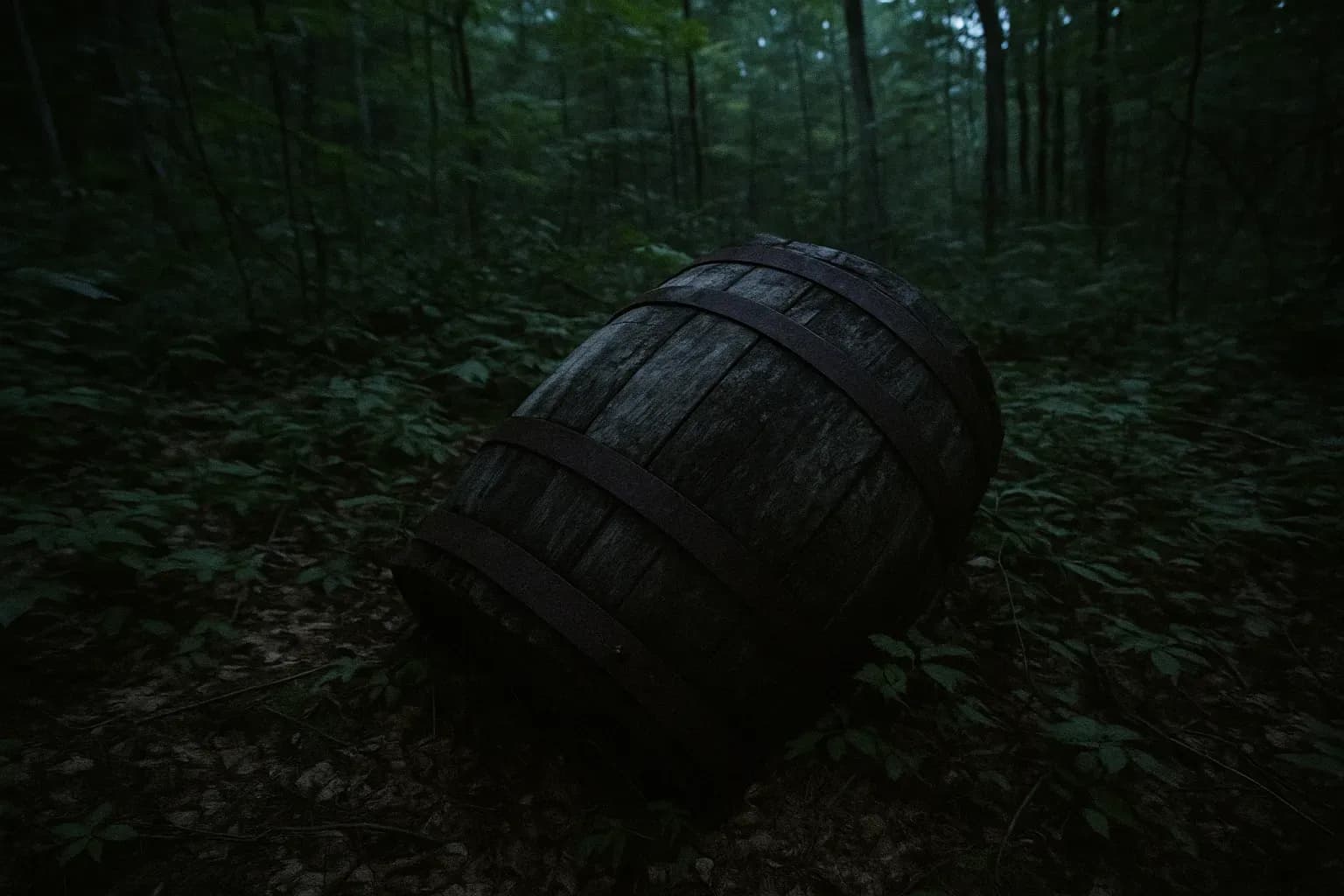
A weathered, wooden barrel half-buried in dense New Hampshire forest foliage, signifying the hidden evidence that eventually exposed serial killer Terry Peder Rasmussen through DNA analysis.

Bear Brook Murders: From Barrels to Serial Killer

In November 1985, a boy kicking over a barrel in Bear Brook State Park, New Hampshire, uncovered the remains of two victims—beginning one of America's most haunting unsolved cases. Thirty-two years later, genetic genealogy identified the killer: Terry Peder Rasmussen, a man who had evaded justice under at least five aliases.

An abandoned wooden farmhouse in Plainfield, Wisconsin, its exterior weathered and haunting, surrounded by dense, overgrown foliage.

Ed Gein: America's Most Depraved Death Cult Criminal

Edward Theodore Gein, known as the "Butcher of Plainfield," murdered at least two women in 1950s Wisconsin while secretly exhuming dozens of corpses to fashion grotesque artifacts from human remains. His 1957 arrest exposed one of America's most disturbing crime scenes and inspired some of cinema's most iconic villains.

A figure resembling Gary Ridgway sits at a police interrogation table, a DNA evidence kit placed prominently in front of him, symbolic of the breakthrough that led to his arrest as the Green River Killer.

DNA Evidence That Unmasked the Green River Killer

Gary Ridgway confessed to murdering 49 women between 1982 and 1998 in Washington State, but it was groundbreaking DNA analysis of evidence from the early 1980s that finally exposed America's prolific serial killer. Two decades after his crimes began, new forensic technology would prove decisive.

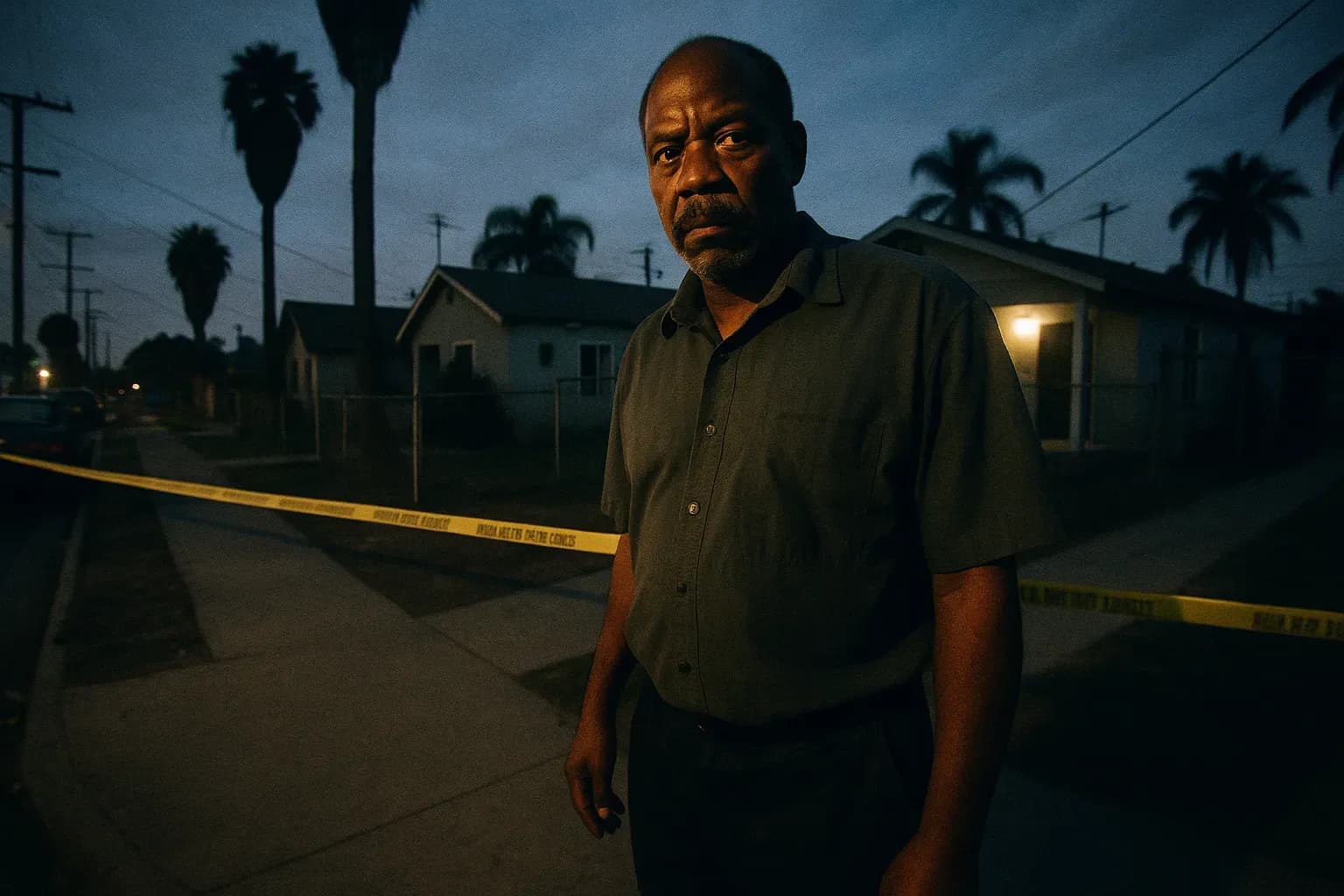
A figure resembling Lonnie Franklin Jr. stands in a modest South Los Angeles neighborhood, near a cordoned-off crime scene, capturing the dark history of the "Grim Sleeper" serial murders.

Grim Sleeper: 22 Years of Terror in South Los Angeles

Lonnie David Franklin Jr., a garbage collector known as the Grim Sleeper, murdered at least 10 young Black women across South Los Angeles between 1985 and 2007. His arrest in 2010 came after a familial DNA match finally connected him to crimes that had haunted the community for more than two decades.

Facts

Type
Procedural term
Legal reference
Federal Rules of Evidence, Rule 702 (Expert Testimony)
Last updated
21 May 2026