True crime news logo
  • Krimidex

Sign up for our newsletter and get the latest stories

Never miss the latest true crime news, reviews and top lists — plus new podcasts, series, films and books.

You can unsubscribe with one click from any email.

True crime news logo

The international true crime destination. Cases, documentaries, podcasts and travel routes.

© 2026 truecrime.news. All rights reserved.

Krimidex/Gang crime
ConceptDenmark

Gang crime

Criminal activity committed by or in connection with gang environments in Denmark, subject to aggravated sentencing under specific circumstances involving group conflicts and serious violence.
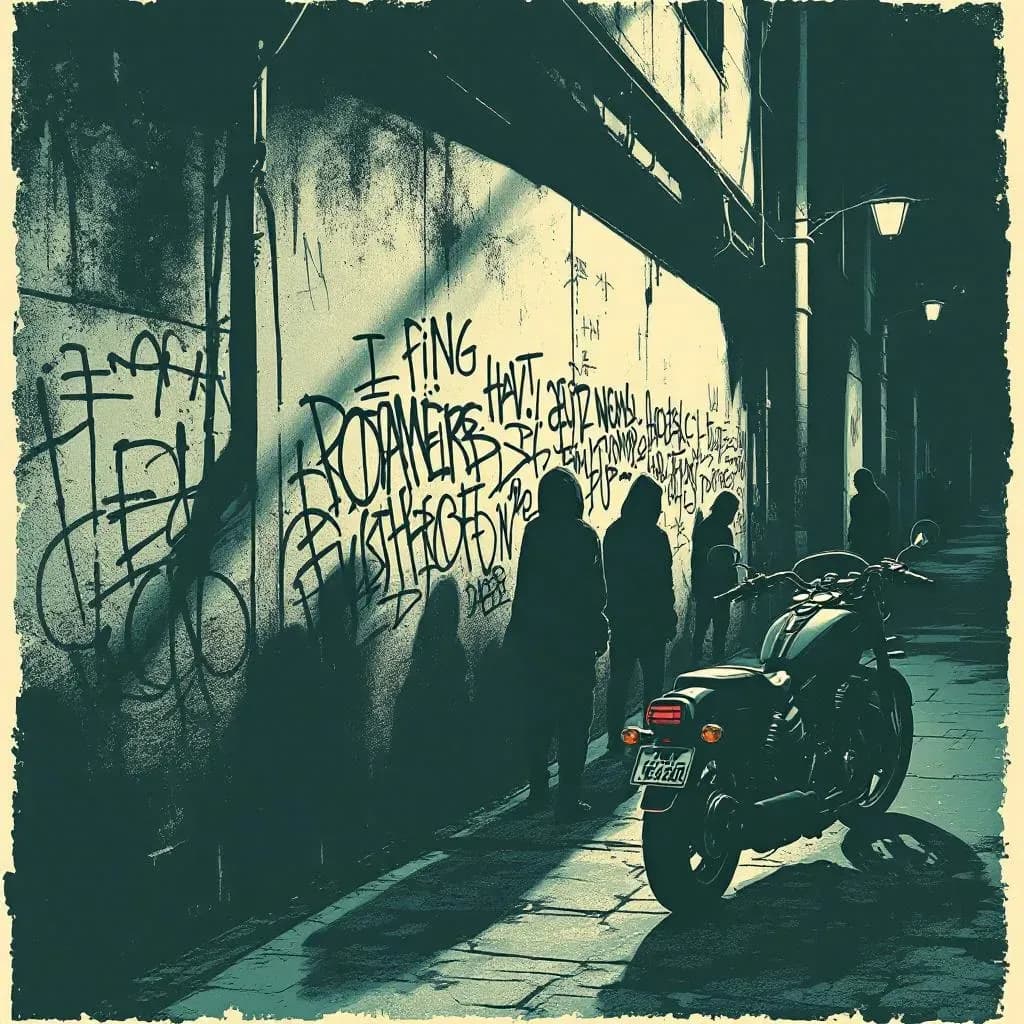
Bandekriminalitet — linocut illustration

Definition

Bandekriminalitet (gang crime) refers to criminal activity committed by individuals who are part of or associated with organized gangs or outlaw motorcycle clubs in Denmark. The term itself is not a standalone legal definition in the Danish Penal Code, but rather describes a category of criminality that occurs within gang environments and carries specific legal consequences under Danish law.

The legal significance of gang-related crime is primarily established through section 81a of the Danish Penal Code, known as the "gang provision" (bandebestemmelsen). This provision allows for enhanced sentencing when an offense is committed in connection with a conflict between groups of people involving the use of serious means such as violence or weapons, or when the offense is likely to provoke such a conflict. The provision applies regardless of whether the perpetrator is formally a gang member, focusing instead on the contextual connection to gang conflicts.

In practice, gang crime encompasses a range of serious offenses including violence, weapons violations, narcotics trafficking, extortion, and other forms of organized crime committed within gang environments. These offenses often occur as part of territorial disputes, internal power struggles, or conflicts between rival groups, particularly between outlaw motorcycle clubs and street gangs.

The Danish authorities distinguish between traditional outlaw motorcycle clubs (rockergrupper) such as Hells Angels and Bandidos, and newer street gangs that have emerged primarily in urban areas. Both categories fall under the broader concept of gang crime when their criminal activities meet the criteria for enhanced sentencing under the gang provision.

The legislative framework addressing gang crime reflects Danish society's response to escalating violence and public safety concerns related to gang conflicts, particularly during periods of intense gang warfare that have occurred in Denmark since the 1990s. The legal approach emphasizes both preventive measures and punitive responses to gang-related criminal activity.

Related entries

Bandekriminalitet

Cases

No cases yet.

Related articles

Demorris Hunter

Aileen Wuornos Executed: Serial Killer's Final Day

Aileen Carol Wuornos, convicted of murdering six men and suspected in a seventh case, was executed by lethal injection on October 9, 2002, in the United States. The former sex worker claimed self-defense in all her murders, stating she killed in response to rape and attempted rape.

The front page of Pusher Street – a tale — Gyldendal — 2025

Carsten Norton Documents Five Decades of Pusher Street

Danish journalist and true crime author Carsten Norton has documented the complex history of Pusher Street, the 100-meter stone-paved thoroughfare in Copenhagen's Freetown Christiania that evolved from a 1970s social experiment into one of Europe's most notorious open drug markets before its closure in 2024.

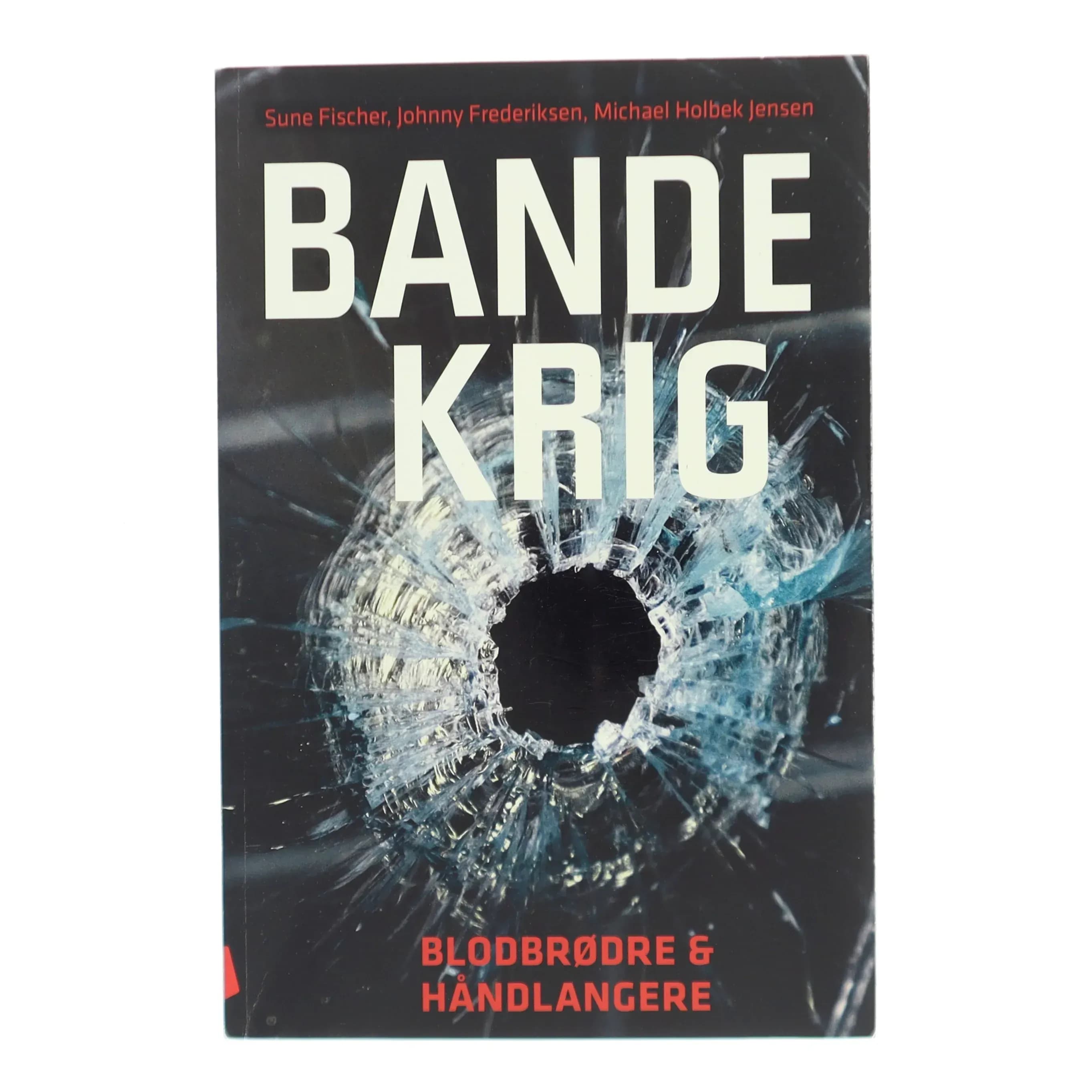
Gang War: Blood Brothers Reveal Crime's Depths

Denmark's Hidden Gang Wars: A Decade of Nordic Criminal Conflict

A groundbreaking 2012 book by Danish journalists exposed the brutal territorial wars between motorcycle gangs and immigrant crime networks that had ravaged Denmark since 2007. More than a decade later, the documentation remains a critical lens on how Nordic organized crime operates—and why it matters internationally.

The Danish Underworld

Inside Denmark's Criminal Underworld: Eight Decades of Organized Crime

Two award-winning Danish journalists have documented 80 years of organized crime history in a comprehensive new book, revealing how a small Nordic nation became a hub for international criminal networks. From cigarette smuggling rings to biker gang warfare, the chronicle exposes Denmark's transformation into a strategic outpost for transnational crime.

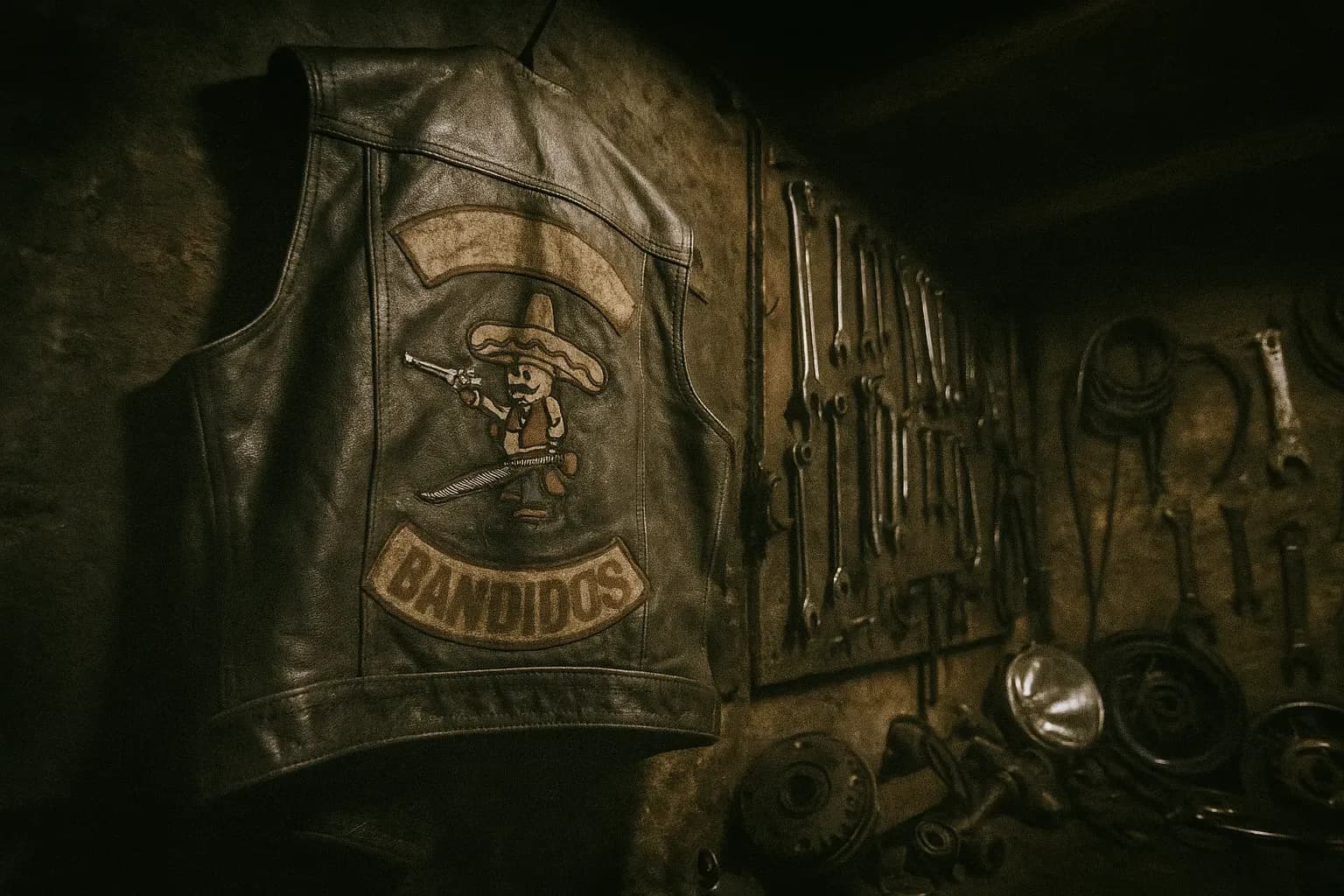
A weathered biker vest with a prominent Bandidos MC patch hangs on a rusty nail in a dimly lit garage, surrounded by tools and spare motorcycle parts.

Denmark Dissolves Bandidos MC in Historic Organized Crime Ruling

A Danish court has ordered the dissolution of Bandidos Motorcycle Club Denmark, marking a significant enforcement action against organized crime in Scandinavia. The ruling found the organization operated as a unified criminal enterprise engaged in murder, assault, and drug trafficking across the country.

A figure resembling Gilberto Orejuela, wearing a business suit, sits at a large wooden desk cluttered with stacks of cash, maps, and a small ornate globe in an upscale office setting.

The Cali Cartel: How a Colombian Empire Conquered Global Markets

While the Medellín Cartel made headlines with brutality, the Cali Cartel built a more sophisticated empire through corruption and strategic silence. By the mid-1990s, this Colombian organization controlled over 80% of the world's cocaine market—making it arguably the most powerful criminal enterprise ever assembled.

A worn wooden door in a narrow Naples alleyway, partially ajar, revealing a tangle of wires and computer screens glowing inside, symbolizing the Camorra's transition from traditional crime to global cybercrime operations.

Naples Mafia Reaches Across Europe: Camorra's Global Empire

The Camorra, a Neapolitan organized crime syndicate, has transformed from a regional Italian threat into a transnational criminal powerhouse with operations spanning Europe, North America, and Asia. Fueled by drug trafficking, weapons smuggling, and environmental crimes, the organization generates billions annually while leaving a trail of violence that claims innocent civilians.

A figure resembling Terry Adams, a shadowy figure in a suit, stands in front of Scotland Yard's iconic revolving sign, symbolizing the deep infiltration of corruption within the system.

The Adams Family: London's Most Ruthless Drug Syndicate

Between the 1980s and 2000s, Terry, Tommy, and Patsy Adams transformed their Clerkenwell neighborhood into the headquarters of one of Britain's most powerful organized crime groups. Operating with brutal efficiency and a code of silence, the Clerkenwell Crime Syndicate controlled London's drug trade and left at least 25 murder victims in their wake.

A figure resembling Tupac Shakur stands under the bright neon lights of the Las Vegas Strip, crowds moving around, capturing the vibrant yet tense atmosphere before the fateful night of the shooting.

Tupac Murder Suspect Arrested After 27 Years

Duane 'Keefe D' Keith Davis was arrested on September 29, 2023, and indicted for the first-degree murder of Tupac Shakur, ending a nearly three-decade cold case. The 60-year-old South Side Compton Crips affiliate was accused of orchestrating the drive-by shooting that killed the 25-year-old rapper on September 7, 1996, in Las Vegas.

A gold Rolex watch with a broken strap lies on a crime scene evidence table, its face reflecting the dim light, symbolizing the murder investigation of rapper Pop Smoke after a fatal Hollywood Hills home invasion.

Unable to Publish: Insufficient Verified Information

TrueCrime.News cannot publish on this topic due to lack of verifiable facts from credible English-language sources.

A figure resembling El Chapo stands atop a barren hillside in Culiacán, surrounded by scattered debris and the remnants of an abandoned drone, symbolizing the Sinaloa Cartel's technological reach and enduring influence.

El Chapo: From Poor Farmer to Mexico's Most Wanted

Joaquín 'El Chapo' Guzmán rose from poverty in rural Sinaloa, Mexico, to become the leader of the world's most powerful drug cartel. His decades-long criminal enterprise controlled up to 60 percent of Mexico's drug trade before his capture in 2014.

A rusted, abandoned Vauxhall Cavalier sits in the overgrown brush near Severn Bridge, a haunting reminder of Richey Edwards' mysterious disappearance.

Richey Edwards: 29 Years of Unanswered Questions

On February 1, 1995, Richey Edwards, guitarist and lyricist for Welsh rock band the Manic Street Preachers, disappeared from South Wales. Despite extensive searches and sporadic sightings, no conclusive evidence of his whereabouts has ever emerged.

Facts

Type
Concept
Jurisdiction
Denmark
Legal reference
Straffeloven § 81a
Last updated
21 May 2026