Gilgo Beach Serial Killer Confesses to 9 Murders
Rex Heuermann afslutter en af USA's mest berygtede seriemordsager med fuldstændig tilståelse i retten
Architect Confesses to Decades of Crimes
On April 8, 2026, 61-year-old architect Rex Heuermann appeared in Suffolk County Court and made a comprehensive confession that closes one of the most complex serial murder cases in modern American criminal history. Heuermann admitted not only to the eight murders he was formally charged with, but also to a ninth killing that investigators had not previously connected to him.
The confession came after months of negotiations between Heuermann's defense team and the Suffolk County District Attorney's Office. During the hearing, he provided detailed descriptions of crimes spanning nearly two decades, from 1993 to 2011. The victims were primarily women working as sex workers who were lured through online advertisements.
Breakthrough After 13 Years of Investigation
The Gilgo Beach case began in December 2010 when police were searching for a missing sex worker named Shannan Gilbert. While conducting their search along Ocean Parkway on Long Island, officers discovered four bodies wrapped in tarps—all women who had worked as escorts. Over the following months, additional remains surfaced along the beach area, bringing the total to ten victims.
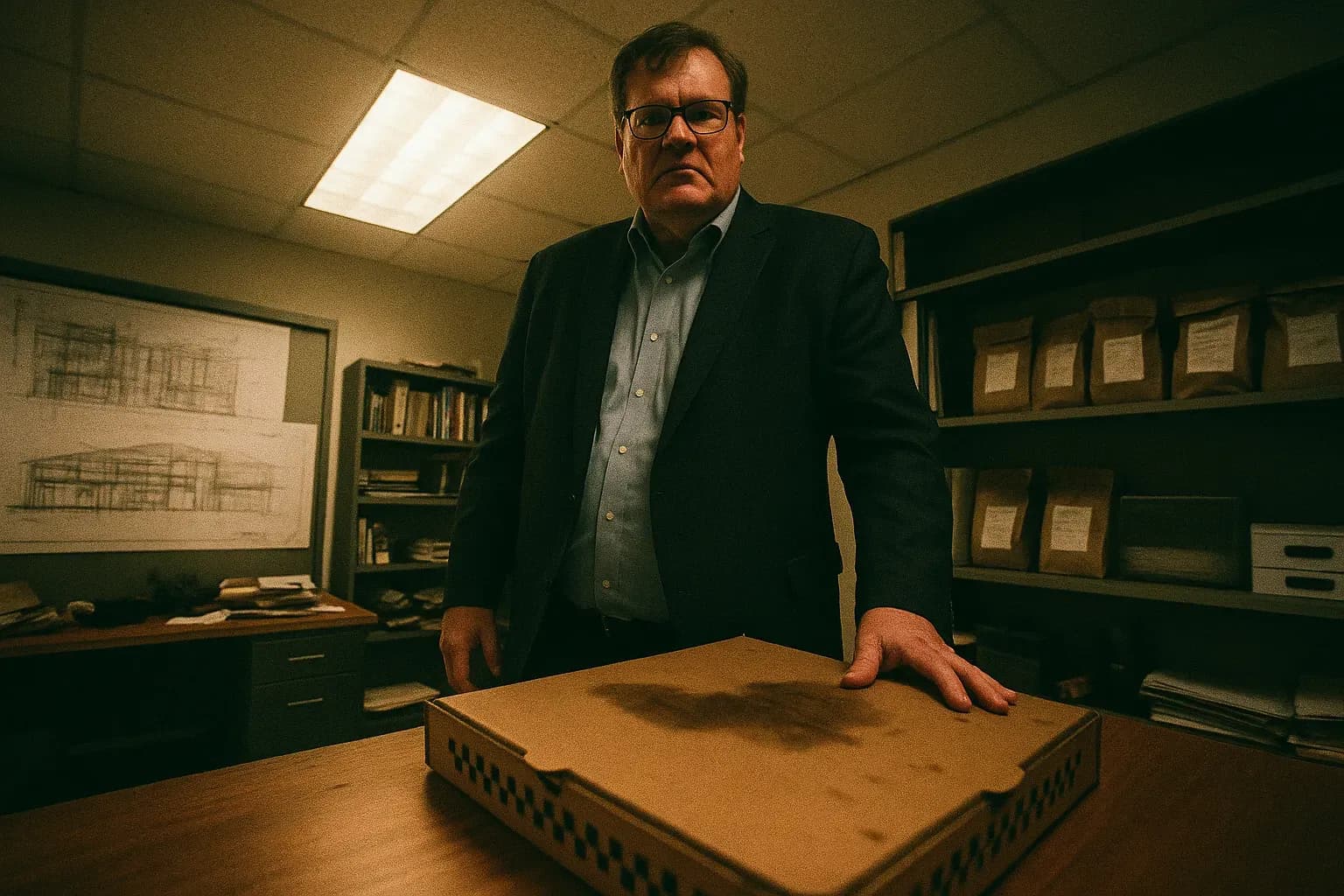
The case quickly became one of New York's most high-profile unsolved murder mysteries, with investigators struggling for over a decade to identify the perpetrator. The breakthrough finally came in 2023 when advanced DNA analysis and cellular phone data connected Heuermann to multiple victims. Investigators had secured DNA evidence from a pizza box traced to Heuermann, providing crucial physical evidence that linked him to the crime scenes.
Cold Case Resolution
The confession marks a significant resolution to a case that had frustrated law enforcement agencies across multiple jurisdictions and captivated the American public for years. Heuermann's admissions provide closure for the families of nine victims and answer questions that have haunted investigators since the first bodies were discovered over 15 years ago.
The case demonstrates how modern forensic technology—particularly DNA analysis and digital evidence from mobile phones—can eventually solve even the most complex serial murder investigations, even after years of cold case status.