True crime news logo
  • Krimidex

Sign up for our newsletter and get the latest stories

Never miss the latest true crime news, reviews and top lists — plus new podcasts, series, films and books.

You can unsubscribe with one click from any email.

True crime news logo

The international true crime destination. Cases, documentaries, podcasts and travel routes.

© 2026 truecrime.news. All rights reserved.

Krimidex/Connecticut
Location

Connecticut

State in the northeastern United States and federal judicial district within the U.S. Court of Appeals for the Second Circuit

Connecticut — Krimidex illustration

Definition

Connecticut is a state in the northeastern United States and, in federal criminal law, refers to the U.S. District Court for the District of Connecticut, which serves as the federal trial court for all federal criminal cases arising within the state's borders. The district maintains courthouse divisions in Hartford, New Haven, and Bridgeport, handling prosecutions for violations of federal criminal statutes occurring in Connecticut.

In the federal judicial system, Connecticut falls within the jurisdiction of the U.S. Court of Appeals for the Second Circuit, which reviews appeals from the District of Connecticut along with cases from New York and Vermont. The U.S. Attorney's Office for the District of Connecticut represents the federal government in criminal prosecutions and is part of the Department of Justice's network of U.S. Attorney offices nationwide.

For state criminal matters, Connecticut refers to the geographic jurisdiction where the Connecticut General Statutes apply. State criminal cases are prosecuted under Connecticut state law in the state court system, which operates separately from the federal district court. The distinction between state and federal jurisdiction is significant in true crime contexts, as different procedural rules, sentencing guidelines, and appellate paths apply depending on whether charges are brought under state or federal law.

In true crime reporting and criminal justice literature, "Connecticut" serves as geographic shorthand for investigations, arrests, prosecutions, trials, and convictions occurring within the state's boundaries, though the precise legal meaning depends on whether the case involves state or federal criminal law. High-profile cases may involve both state and federal authorities working in parallel or coordinated investigations.

Related entries

Connecticut

Cases

No cases yet.

Related articles

Martha Moxley mordsag

The Martha Moxley Murder Case

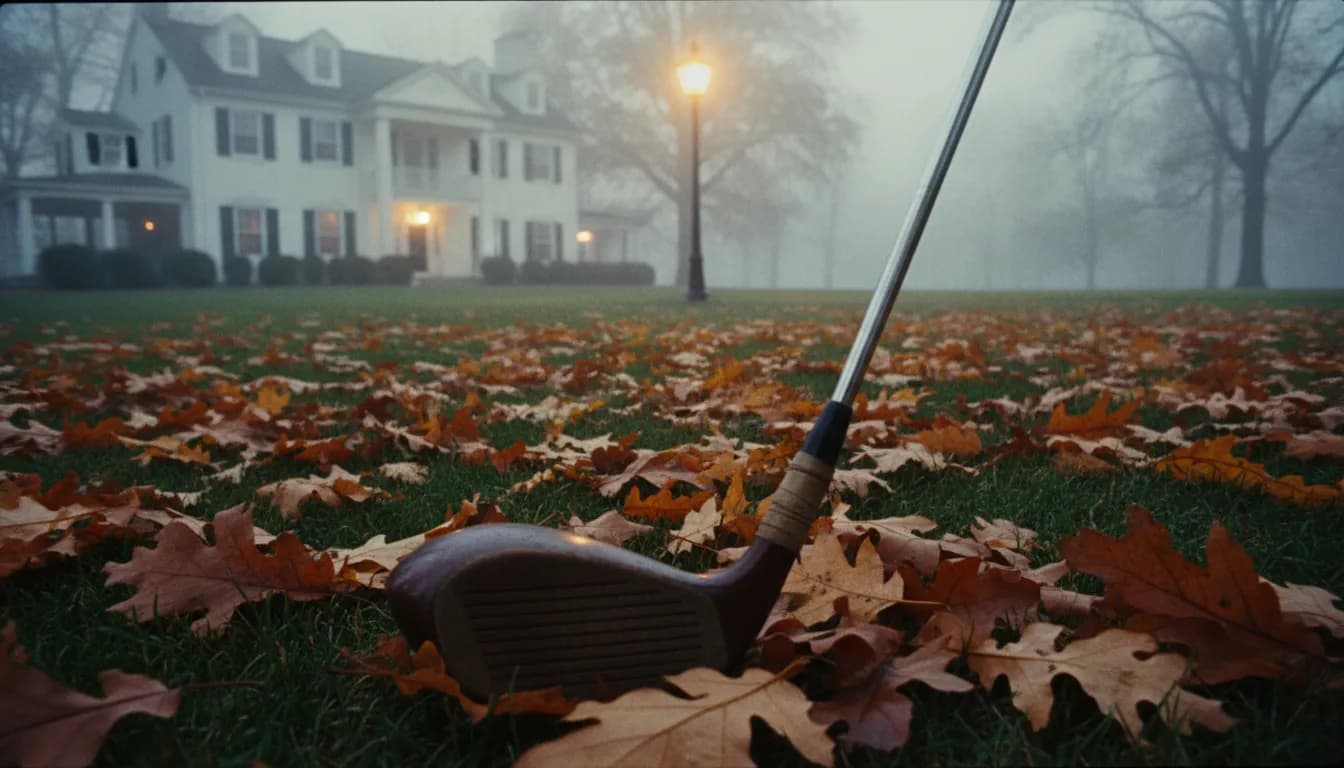
Martha Moxley, a 15-year-old American high school student, was murdered in her hometown of Greenwich, Connecticut on October 30, 1975. She was found dead in her family's backyard, beaten with a golf club. The case remained unsolved for 27 years until Michael Skakel was convicted of the murder in 2002.

Dead Certain — episode 3 — The Trial of Michael Skakel 2002

Kennedy Cousin Cleared: The Martha Moxley Murder Case Unravels

On October 30, 1975, 15-year-old Martha Moxley was bludgeoned to death in her family's backyard in Greenwich, Connecticut. Twenty-seven years later, her neighbor Michael Skakel—a Kennedy cousin—was convicted of the crime. But the conviction didn't hold.

Dead Certain: The Martha Moxley Murder — episode 2 — The Boy Next Door

The Martha Moxley Murder: A Golf Club, a Kennedy Connection

On October 31, 1975, 15-year-old Martha Moxley was found bludgeoned to death in her family's backyard in Greenwich, Connecticut. The murder weapon—a Toney Penna golf club—belonged to her neighbors, the prominent Skakel family, setting off a case that would span decades and implicate a Kennedy nephew.

Dead Certain: The Martha Moxley Murder — episode 1 — Mischief Night

Kennedy Cousin Breaks 50-Year Silence on Martha Moxley Murder

Michael Skakel, a Kennedy cousin, has broken his silence on the 1975 murder of 15-year-old Martha Moxley in Greenwich, Connecticut—a case that remained unsolved for five decades. Skakel, who was convicted and later exonerated, is now sharing his account in an NBC News podcast.

The Retrievals — episode 1 — Yale Fertility Clinic fentanyl substitution case 2020

Yale Fertility Clinic: The Nurse Who Replaced Painkillers With Saline

A nurse at Yale University's fertility clinic systematically stole fentanyl—a powerful opioid painkiller—and replaced it with saline solution, forcing an unknown number of women to endure painful egg retrieval procedures without anesthesia. The case, uncovered in 2020, raises urgent questions about institutional oversight in reproductive medicine and healthcare worker substance abuse.

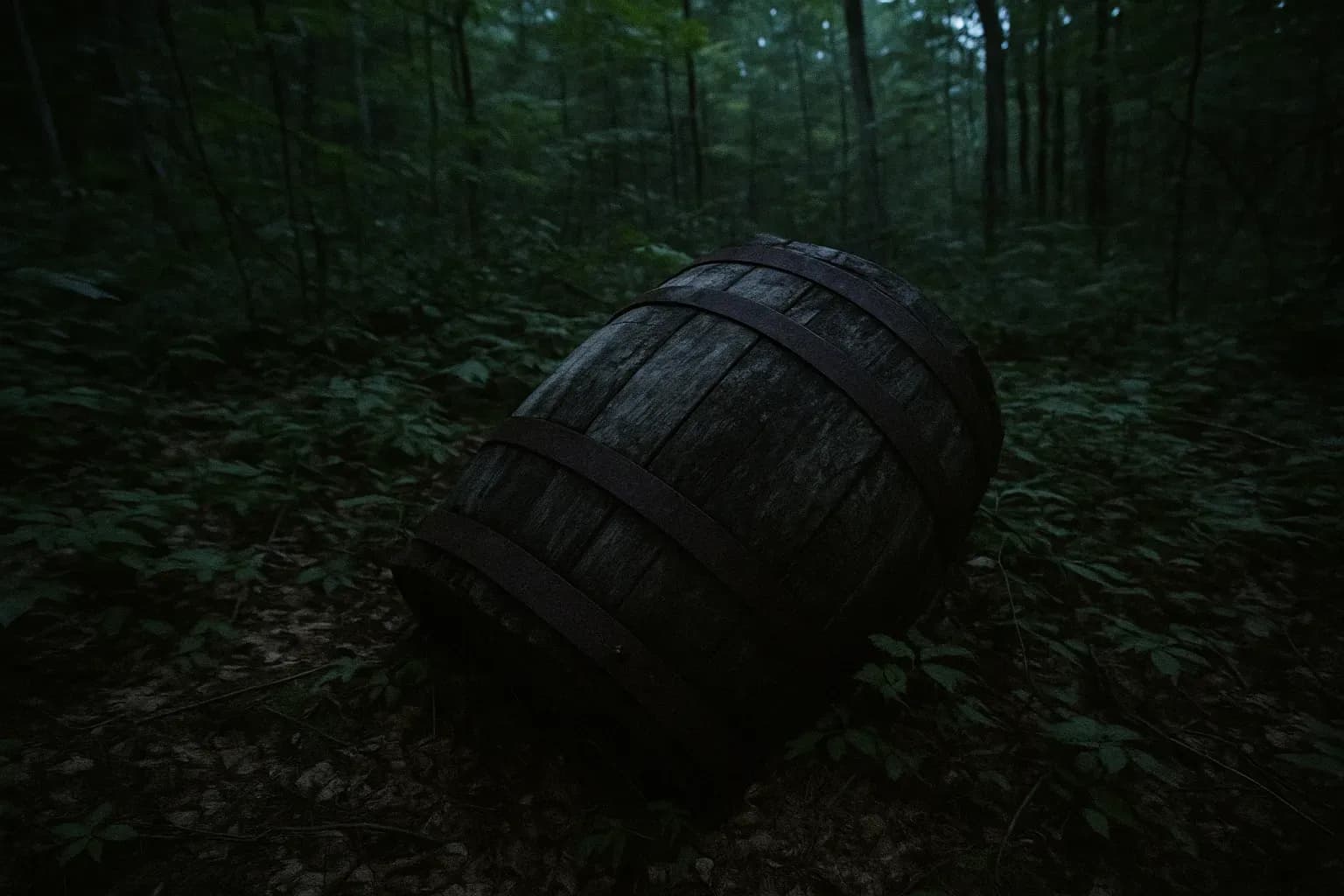
A weathered, wooden barrel half-buried in dense New Hampshire forest foliage, signifying the hidden evidence that eventually exposed serial killer Terry Peder Rasmussen through DNA analysis.

Bear Brook Murders: From Barrels to Serial Killer

In November 1985, a boy kicking over a barrel in Bear Brook State Park, New Hampshire, uncovered the remains of two victims—beginning one of America's most haunting unsolved cases. Thirty-two years later, genetic genealogy identified the killer: Terry Peder Rasmussen, a man who had evaded justice under at least five aliases.

An empty, ornate frame hangs on a wall inside the Isabella Stewart Gardner Museum, its label barely visible. This haunting reminder of the 1990 heist symbolizes the enduring mystery of the missing Vermeer and Rembrandt masterpieces.

America's Greatest Art Heist: 34 Years Unsolved

On March 18, 1990, two men posing as Boston police officers walked into one of America's most prestigious museums and walked out with 13 masterpieces worth over $500 million. Three decades later, the perpetrators remain at large and not a single painting has been recovered.

Murder on Middle Beach: a personal and ethical challenge

Murder on Middle Beach: A Son's Quest for Justice

On March 3, 2010, Barbara Hamburg was murdered in Madison, Connecticut, leaving her family devastated and the case unsolved. A decade later, her son Madison Hamburg directed a four-part HBO documentary examining the crime, his family's secrets, and a legal battle to access police files that could crack the case.

Facts

Type
Location
Legal reference
28 U.S.C. (federal judicial districts); Connecticut General Statutes (state criminal code)
Last updated
22 May 2026