True crime news logo

Sign up for our newsletter and get the latest stories

Never miss the latest true crime news, reviews and top lists — plus new podcasts, series, films and books.

You can unsubscribe with one click from any email.

True crime news logo

The international true crime destination. Cases, documentaries, podcasts and travel routes.

© 2026 truecrime.news. All rights reserved.

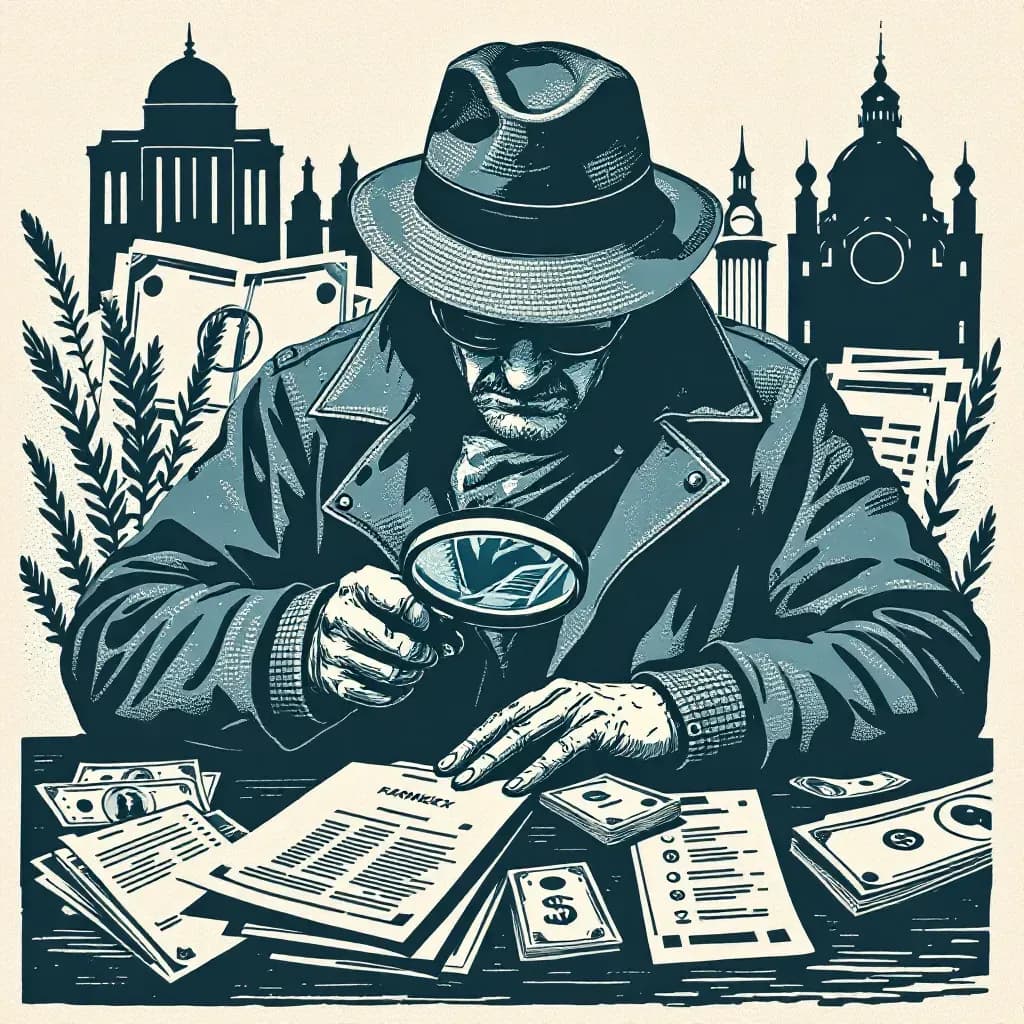
A detective analyzing a diverse collection of currency, bank records, and digital transaction logs; a magnifying glass hovering over highlighted monetary exchanges, representing the investigation of financial motives and trails in crime.

Money

The driving force behind crime and the key to solving true crime

Money is often the root of all evil in true crime. Discover how greed drives everything from robbery to fraud, and why it's the key in investigations.


The driving force behind crime and the key to solving true crime


Money as motive: At the heart of many crimes


In true crime cases, money often constitutes the very driving force and primary motive behind a wide range of criminal acts, from simple thefts to complex forms of financial crime. The pursuit of financial gain can lead to everything from meticulously planned fraud and various types of scams to violent robberies and even murder. Understanding the role of money is therefore crucial to uncovering the motive behind a crime. This quest for illicit enrichment manifests in countless ways, and greed for money is one of the oldest and most persistent catalysts for criminal behavior.


Fast money, hard crime: Financial gain as the goal


In many cases, the direct acquisition of money is the obvious goal. This is seen in everything from street purse snatchings and burglaries in private homes to armed robberies of banks and shops, where perpetrators seek quick financial gain, often using threats or violence. Extortion and kidnapping for ransom are also examples of crimes where the primary motive is money, as victims or their relatives are forced to pay large sums under threat of violence or worse. In these instances, money is not merely a byproduct of the crime, but the very core of the perpetrator's intent and the direct purpose of the offense.


How money trails expose fraud and organized crime


Beyond direct confrontations, money also enables more sophisticated and covert forms of crime, including extensive financial crime. Examples such as tax evasion, various types of credit card fraud, insider trading, and complex Ponzi schemes aim to defraud individuals, companies, or the state of large sums through manipulation and deception. Here, the money flows are often convoluted and designed to obscure the perpetrators' tracks and the criminal origin. Likewise, money plays a central role in organized crime, including drug trafficking, human trafficking, and arms smuggling, where enormous profits are generated and subsequently laundered to be integrated into the legal economy. Following the money trail – "follow the money" – is therefore a fundamental investigative strategy that can reveal perpetrators, their criminal networks, and the full extent of their operations.


From cash to crypto: Money trails' significance


Regardless of the nature of the crime, the allure of money remains a constant factor in the world of crime. The ability to follow the money trail is often the key to solving cases and achieving justice in matters ranging from simple theft and robbery to advanced fraud and financial crime. Furthermore, the ongoing development of digital payment methods and cryptocurrencies presents new challenges for authorities in their efforts to combat financially motivated crime and cryptocurrency-related crime, underscoring the enduring and complex role of money in true crime.


Did this pique your interest? Explore shocking cases about Money, from daring bank robberies to complex fraud schemes – find our thrilling cases below.
Posts Tagged “Money”

26 posts
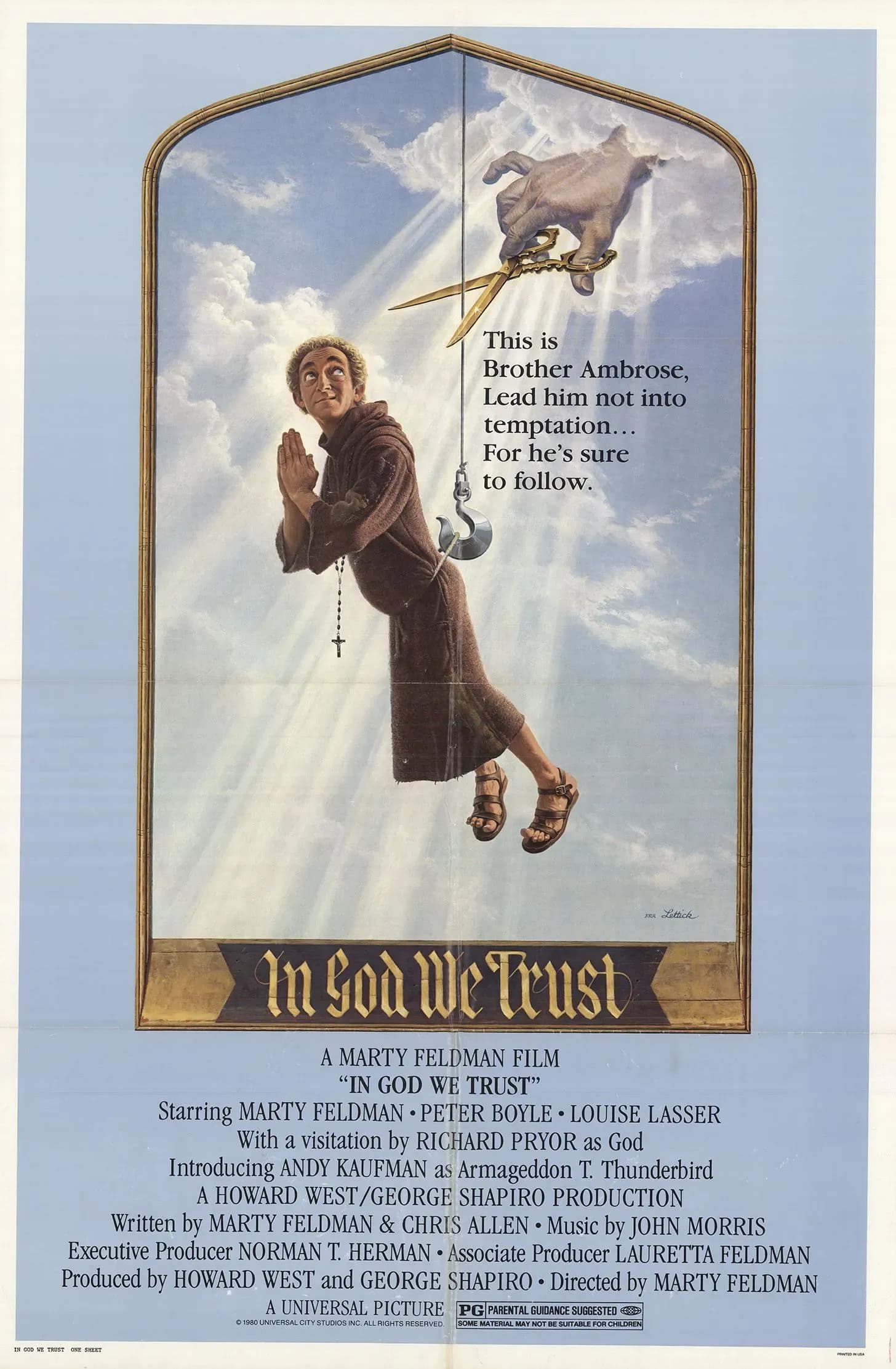
In God We Trust reveals Madoff's deceitful empire
FilmJanuary 15, 2026

How a Secretary Exposed Madoff's $65 Billion Fraud

When Bernard Madoff confessed to running a massive Ponzi scheme in December 2008, his personal secretary of 25 years became an unlikely hero. Eleanor Squillari's three-year cooperation with the FBI—documented in the 2013 film 'In God We Trust'—exposed the inner workings of a $65 billion fraud that devastated thousands of investors worldwide.

Economic crimeFraudPonzi+33
Dirty Billions expose money laundering at Danske Bank
BookDecember 17, 2025

Danske Bank's $230 Billion Money Laundering Scandal

Between 2007 and 2015, Danske Bank's Estonia branch processed approximately €200 billion in suspicious transactions, predominantly from Russian and former Soviet clients. The scheme—revealed publicly in September 2018—ranks among history's largest money laundering operations and triggered criminal charges, multi-billion-dollar penalties, and individual convictions across three continents.

Money launderingEconomic crimeCorruption+17
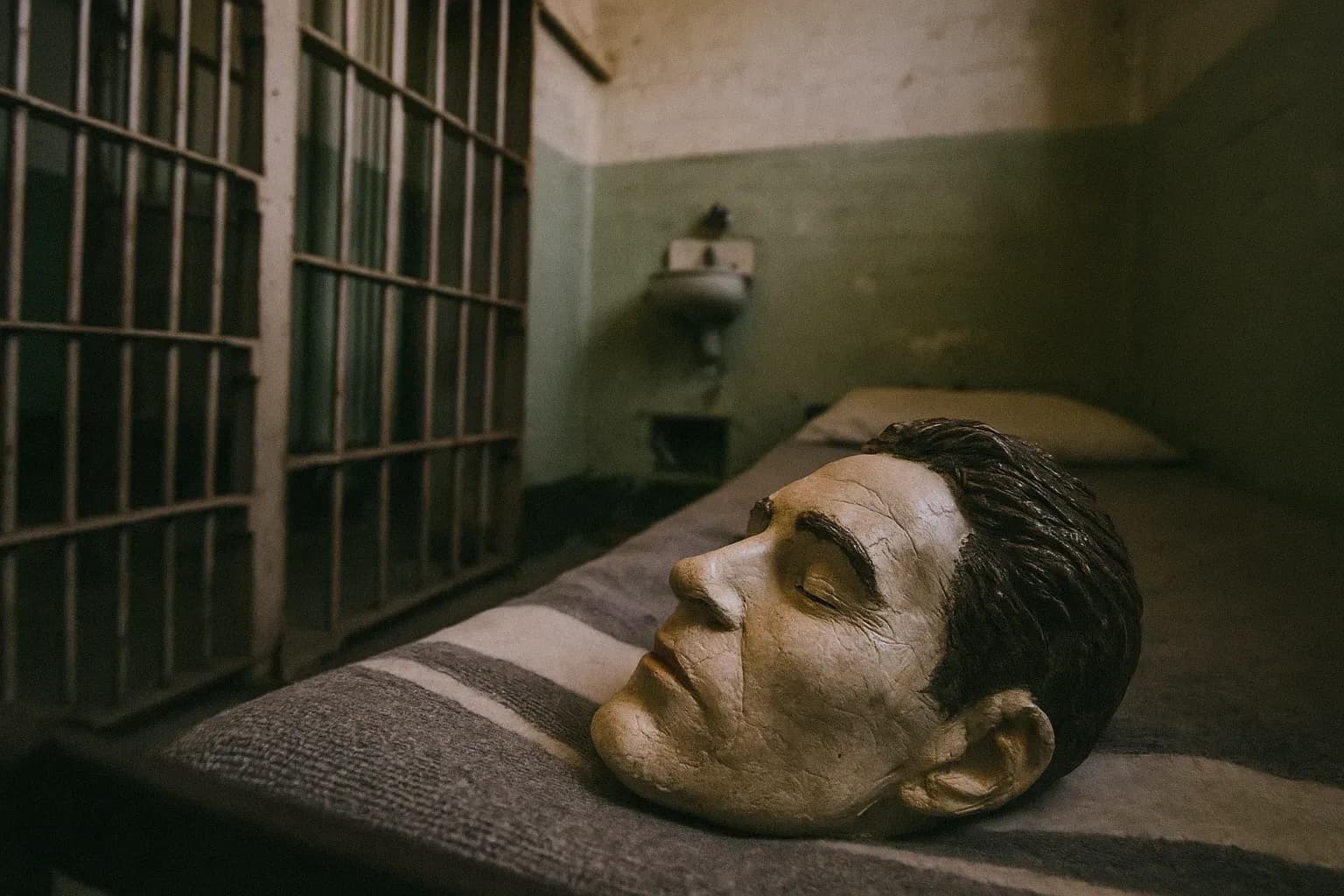
A lifelike dummy head made of plaster and paint rests on a prison bed in a dimly lit Alcatraz cell, the meticulously crafted hair and features hinting at the daring escape of Frank Morris and the Anglin brothers
CaseJune 6, 2025

The Alcatraz Escape That Remains Unsolved 60 Years Later

On the night of June 11, 1962, Frank Morris and brothers John and Clarence Anglin escaped from Alcatraz Federal Penitentiary in San Francisco Bay. Sixty years later, no confirmed evidence has emerged to prove whether they drowned in the cold Pacific waters or survived to live free.

EscapeFangeskabUnsolved case+14
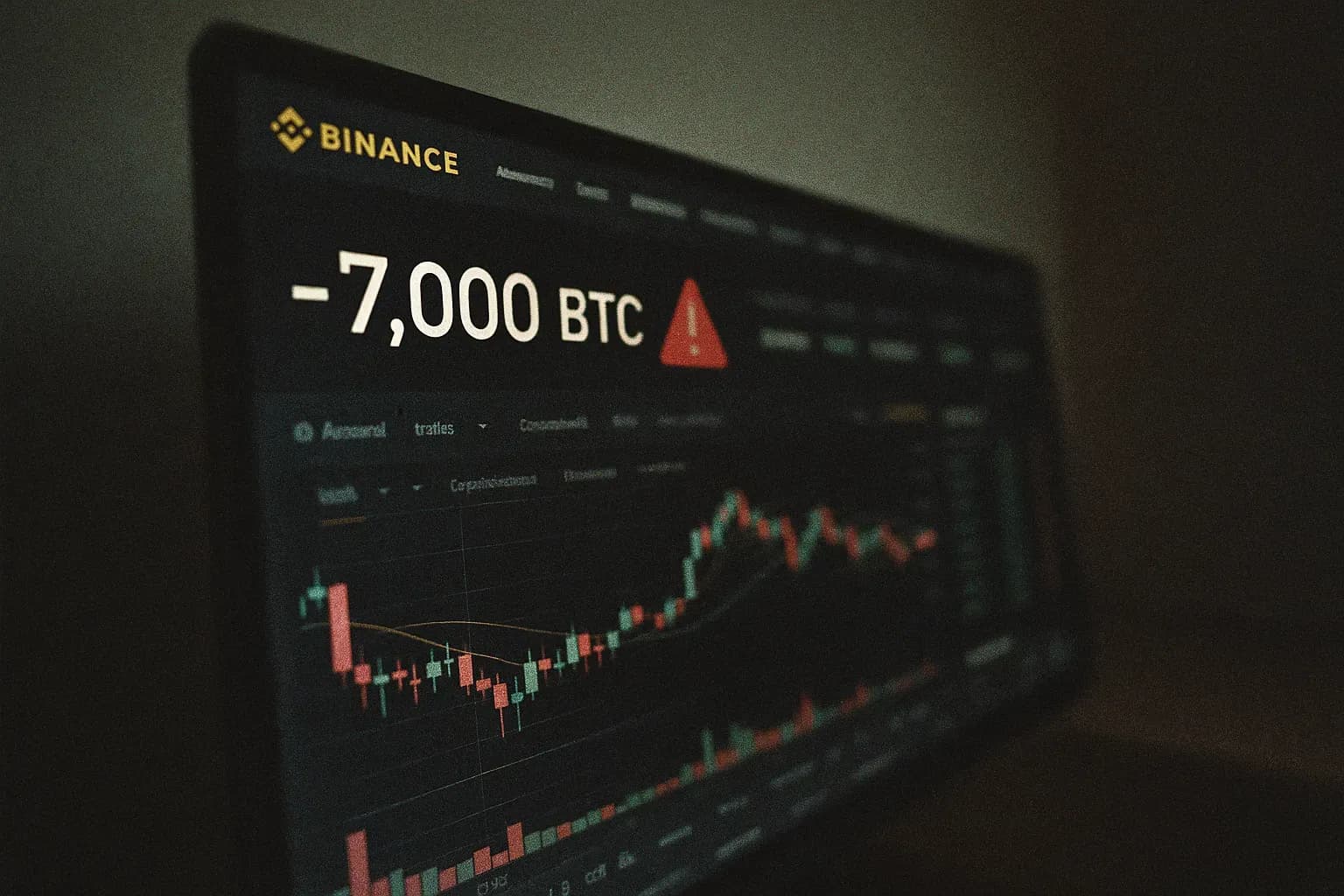
A computer screen displays Binance's cryptocurrency dashboard, a red alert notification flashing next to the balance showing a missing 7,000 bitcoin, symbolizing the massive cyberattack that rocked the exchange.
CaseJune 6, 2025

Hackers Steal $570 Million in Binance Coin Cyberattack

Unknown hackers exploited a vulnerability in Binance's BSC Token Hub bridge on October 4, 2022, stealing approximately 2 million BNB tokens valued at $570 million. The attack, discovered two days later, marked one of crypto's largest bridge heists but left user funds untouched.

CybercrimeMoney launderingCrypto+15
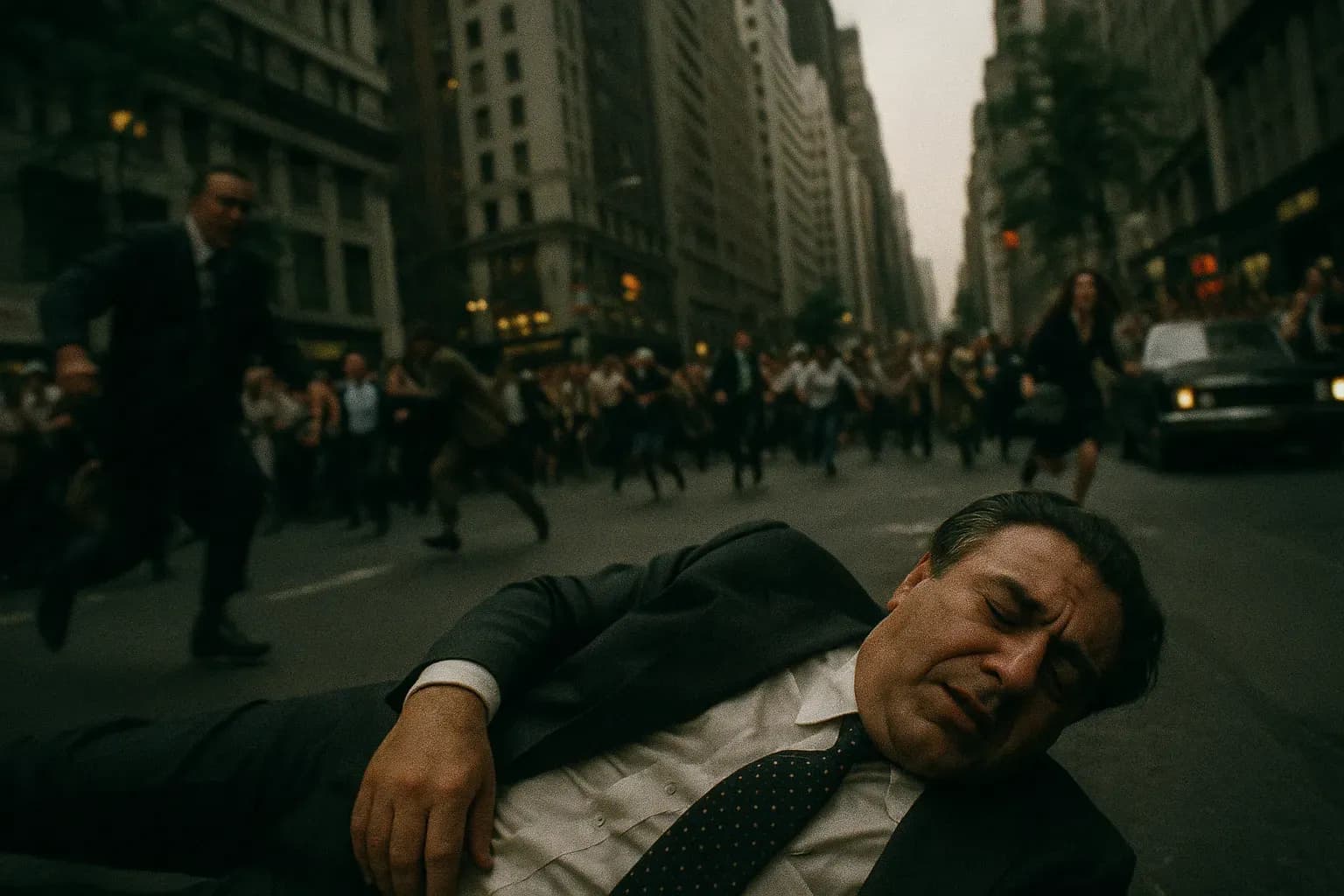
A figure resembling Joseph Colombo lies surrounded by chaos during the 1971 assassination attempt; visible crowds and a sense of panic in a bustling New York street.
CaseJune 6, 2025

The Colombo Crime Family: New York's Most Brutal Mafia Dynasty

The Colombo crime family emerged in 1928 as New York's youngest of the Five Families, built on bootlegging and eventually dominating organized crime across the Northeast. Known for extreme internal violence and brutality, the family's decline from 150 made members to just 75 by 1993 reflects decades of devastating internal wars and federal prosecution.

MafiaMurderExtortion+12
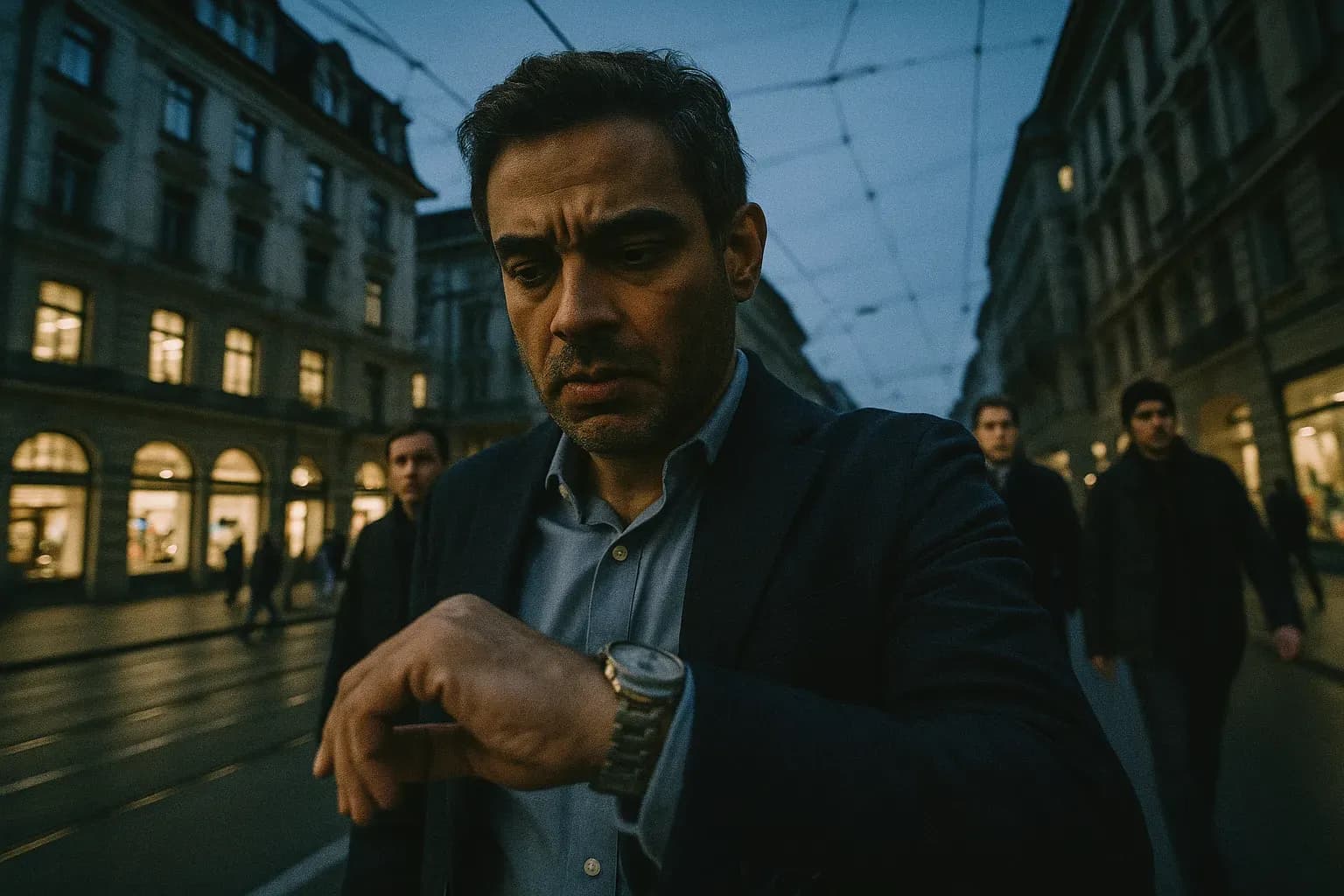
A figure resembling Iqbal Khan stands on a bustling Zurich street, checking his watch with a wary expression, as anonymous figures in the background appear to be following him discreetly.
CaseJune 6, 2025

Swiss Banking Scandal: Credit Suisse's Illegal Surveillance of Departing Executive

Credit Suisse hired private investigators to monitor its former wealth management chief Iqbal Khan after he joined competitor UBS in 2019. The resulting case of corporate surveillance, intimidation and potential coercion was settled in 2021, shedding light on ruthless internal politics in global finance.

SurveillanceScandalCorruption+21
A figure resembling Terry Adams, a shadowy figure in a suit, stands in front of Scotland Yard's iconic revolving sign, symbolizing the deep infiltration of corruption within the system.
CaseJune 6, 2025

The Adams Family: London's Most Ruthless Drug Syndicate

Between the 1980s and 2000s, Terry, Tommy, and Patsy Adams transformed their Clerkenwell neighborhood into the headquarters of one of Britain's most powerful organized crime groups. Operating with brutal efficiency and a code of silence, the Clerkenwell Crime Syndicate controlled London's drug trade and left at least 25 murder victims in their wake.

Gang crimeMoney launderingContract killing+18
A torn, weathered parachute situated on the forested ground of the Pacific Northwest, surrounded by dense foliage, symbolizing D.B. Cooper's infamous 1971 escape from a hijacked plane with $200,000.
CaseJune 6, 2025

D.B. Cooper: America's Greatest Unsolved Hijacking

On November 24, 1971, a man calling himself Dan Cooper boarded Northwest Orient Airlines Flight 305 from Portland to Seattle, handed a note to a flight attendant claiming he had a bomb, and demanded $200,000 and four parachutes. Hours later, he parachuted into the darkness near the Washington-Oregon border—and disappeared forever.

RansomHijackingUnsolved case+28
A figure resembling Simone “Sam the Plumber” DeCavalcante stands in a construction site, surrounded by blueprints and half-built structures, symbolizing his control over New Jersey's construction industry in the 1960s.
CaseJune 6, 2025

How the FBI Dismantled America's Real Sopranos

The DeCavalcante crime family, operating across New Jersey and New York as part of La Cosa Nostra, inspired HBO's The Sopranos. Between 1998 and 2015, the FBI launched major operations that would ultimately dismantle the family's leadership through informants, undercover agents, and the unprecedented cooperation of made members.

MafiaMurderExtortion+23
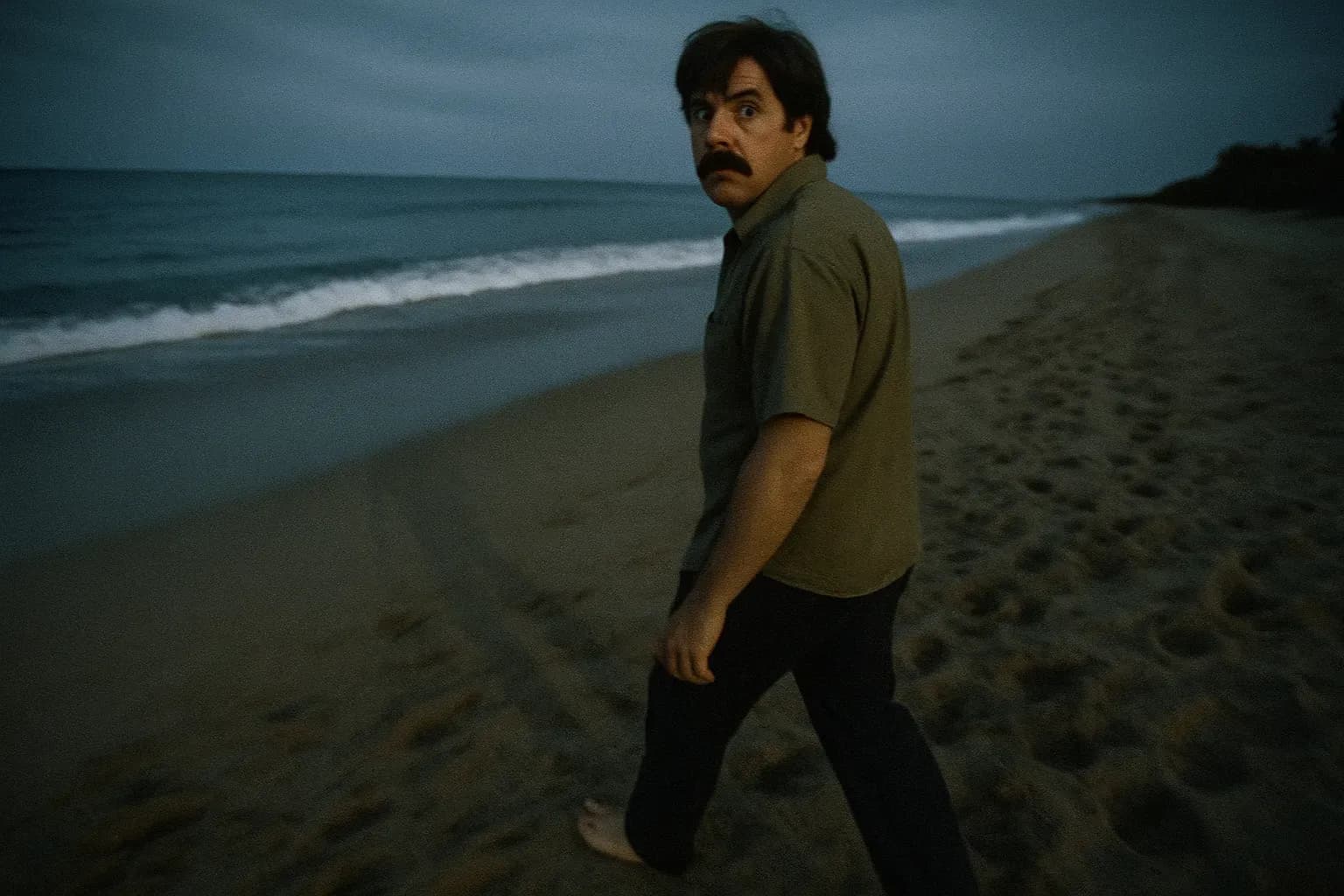
A figure resembling David Ghantt walks alone on a Mexican beach, looking over his shoulder, the ocean meeting the horizon behind him, symbolizing his escape after the Loomis Fargo heist
CaseJune 6, 2025

The $17 Million Vault Heist That Exposed Greed

On October 4, 1997, vault supervisor David Ghantt stole $17.3 million from a Loomis Fargo & Co. vault in Charlotte, North Carolina. What followed was a textbook criminal investigation that exposed the conspirators' spectacular inability to hide their newfound wealth.

RobberyMoneyFraud+17
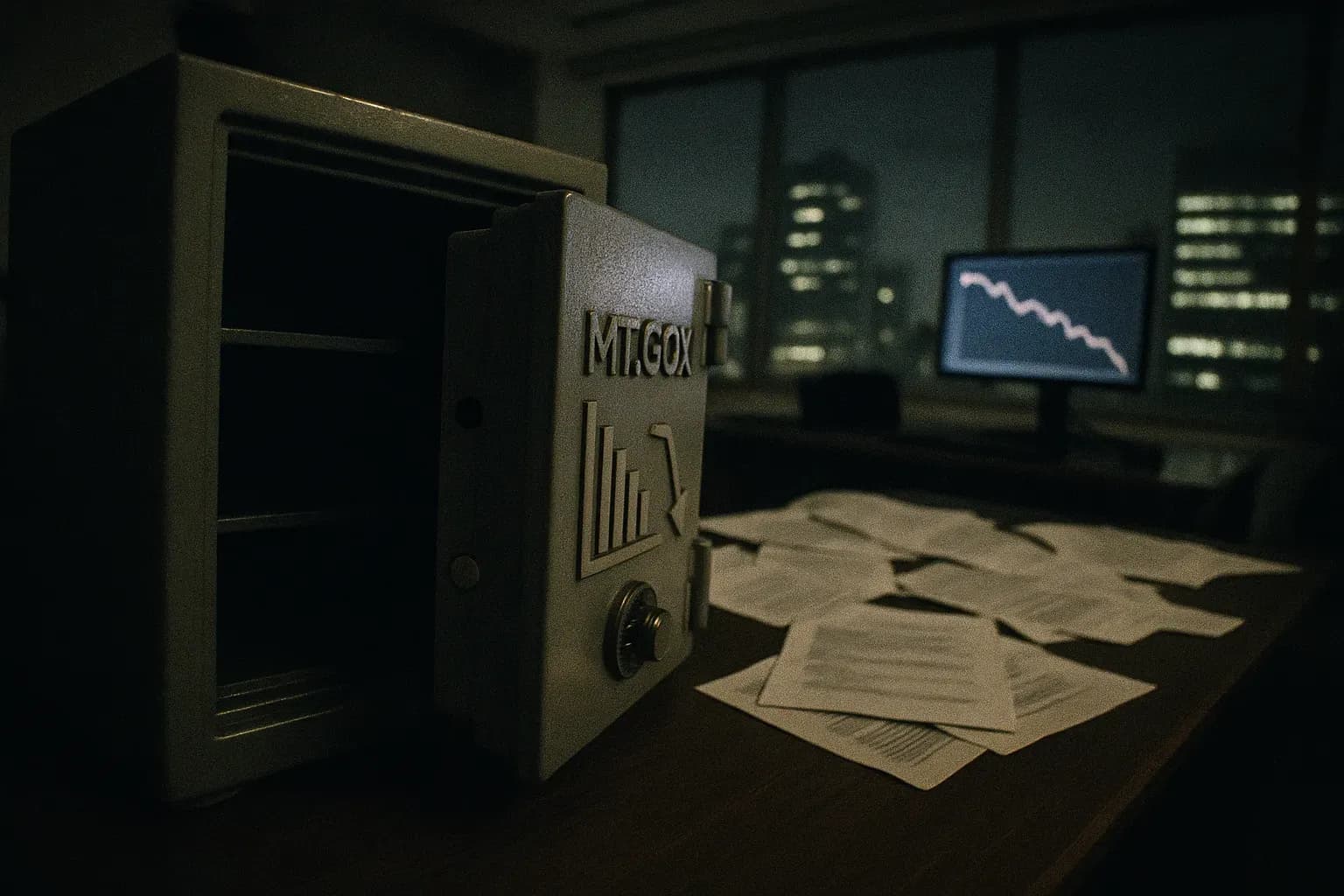
A safe with the Mt. Gox logo stands open in a dimly lit Tokyo office. Papers are strewn across the desk, and a monitor displays declining Bitcoin values, symbolizing the collapse and chaos of 2014.
CaseJune 6, 2025

The Mt. Gox Collapse: How Bitcoin's Largest Exchange Lost $450M

In February 2014, Mt. Gox—once the world's largest Bitcoin exchange—abruptly suspended trading and went offline, revealing the theft of over 744,000 Bitcoins worth approximately $450 million. The collapse exposed critical vulnerabilities in early cryptocurrency infrastructure and led to the arrest of CEO Mark Karpelès, a French businessman who had acquired the exchange just three years earlier.

Economic crimeCryptoHacking+22
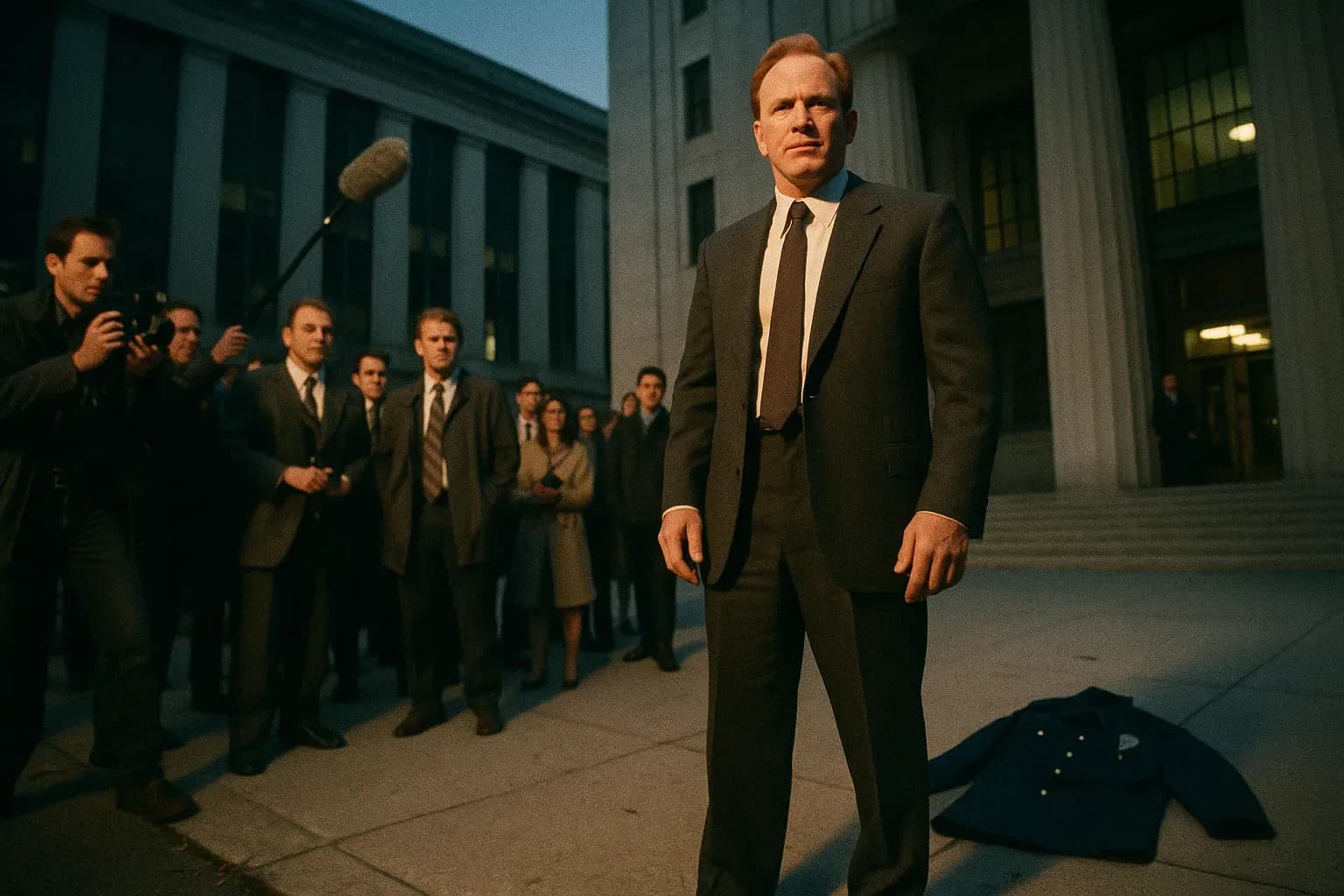
A figure resembling John 'Red' Kelley stands confidently outside a federal building, wearing a suit, amidst reporters and onlookers, while nearby, an empty police uniform lies discarded on the sidewalk.
CaseJune 6, 2025

The $1.5 Million Heist That Stumped America

On August 14, 1962, robbers dressed as police officers stopped a U.S. Postal Service armored truck on Route 3 in Plymouth, Massachusetts, and made off with $1.5 million in cash. Six decades later, the money remains missing and no one has ever been convicted.

RobberyBank robberyUnsolved case+34
A computer screen displays the Robinhood logo alongside an alert notification icon, symbolizing the massive user data breach and subsequent cybersecurity scandal.
CaseJune 6, 2025

7 Million Robinhood Users Hit in November 2021 Data Breach

Robinhood, the popular investment app, suffered a significant data breach on November 3, 2021, exposing personal information belonging to approximately 7 million users. The unauthorized access occurred through social engineering of a customer support employee.

Data breachEconomic crimeHacking+16
A computer screen displays the Poly Network logo in an office setting, with multiple open browser tabs showing cryptocurrency transactions detailing the return of $600 million dollars.
CaseJune 6, 2025

Hacker Steals $610M in Crypto, Then Returns It All

An unidentified hacker breached Poly Network, a decentralized finance platform, and stole $610 million in cryptocurrencies across multiple blockchain networks in August 2021. Within days, the attacker returned nearly all the funds, leaving investigators puzzled about the motive.

CryptoEconomic crimeFraud+10
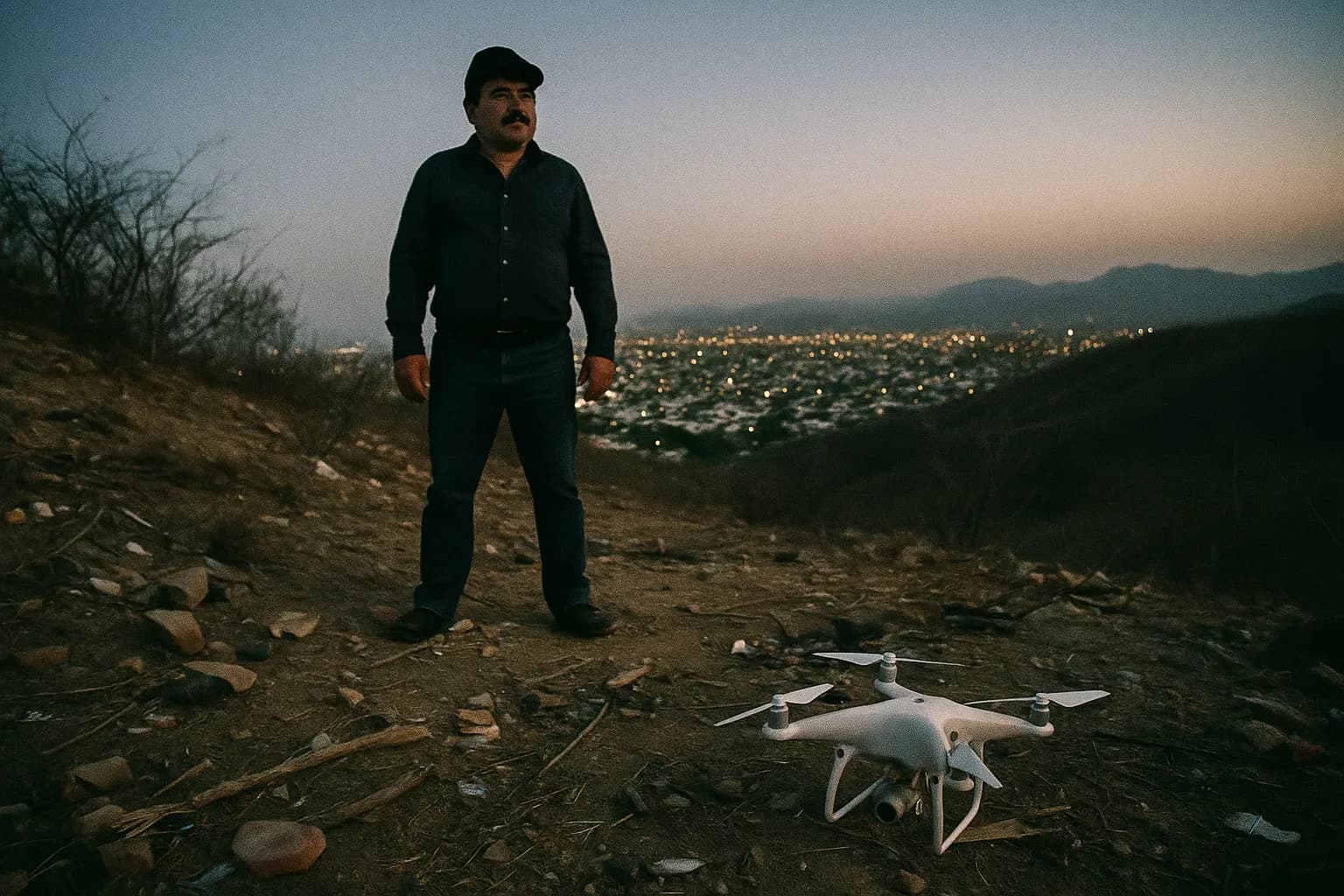
A figure resembling El Chapo stands atop a barren hillside in Culiacán, surrounded by scattered debris and the remnants of an abandoned drone, symbolizing the Sinaloa Cartel's technological reach and enduring influence.
CaseJune 6, 2025

El Chapo: From Poor Farmer to Mexico's Most Wanted

Joaquín 'El Chapo' Guzmán rose from poverty in rural Sinaloa, Mexico, to become the leader of the world's most powerful drug cartel. His decades-long criminal enterprise controlled up to 60 percent of Mexico's drug trade before his capture in 2014.

Drug lordCartelCorruption+21
An empty, ornate frame hangs on a wall inside the Isabella Stewart Gardner Museum, its label barely visible. This haunting reminder of the 1990 heist symbolizes the enduring mystery of the missing Vermeer and Rembrandt masterpieces.
CaseJune 6, 2025

America's Greatest Art Heist: 34 Years Unsolved

On March 18, 1990, two men posing as Boston police officers walked into one of America's most prestigious museums and walked out with 13 masterpieces worth over $500 million. Three decades later, the perpetrators remain at large and not a single painting has been recovered.

Art theftMafiaUnsolved case+17
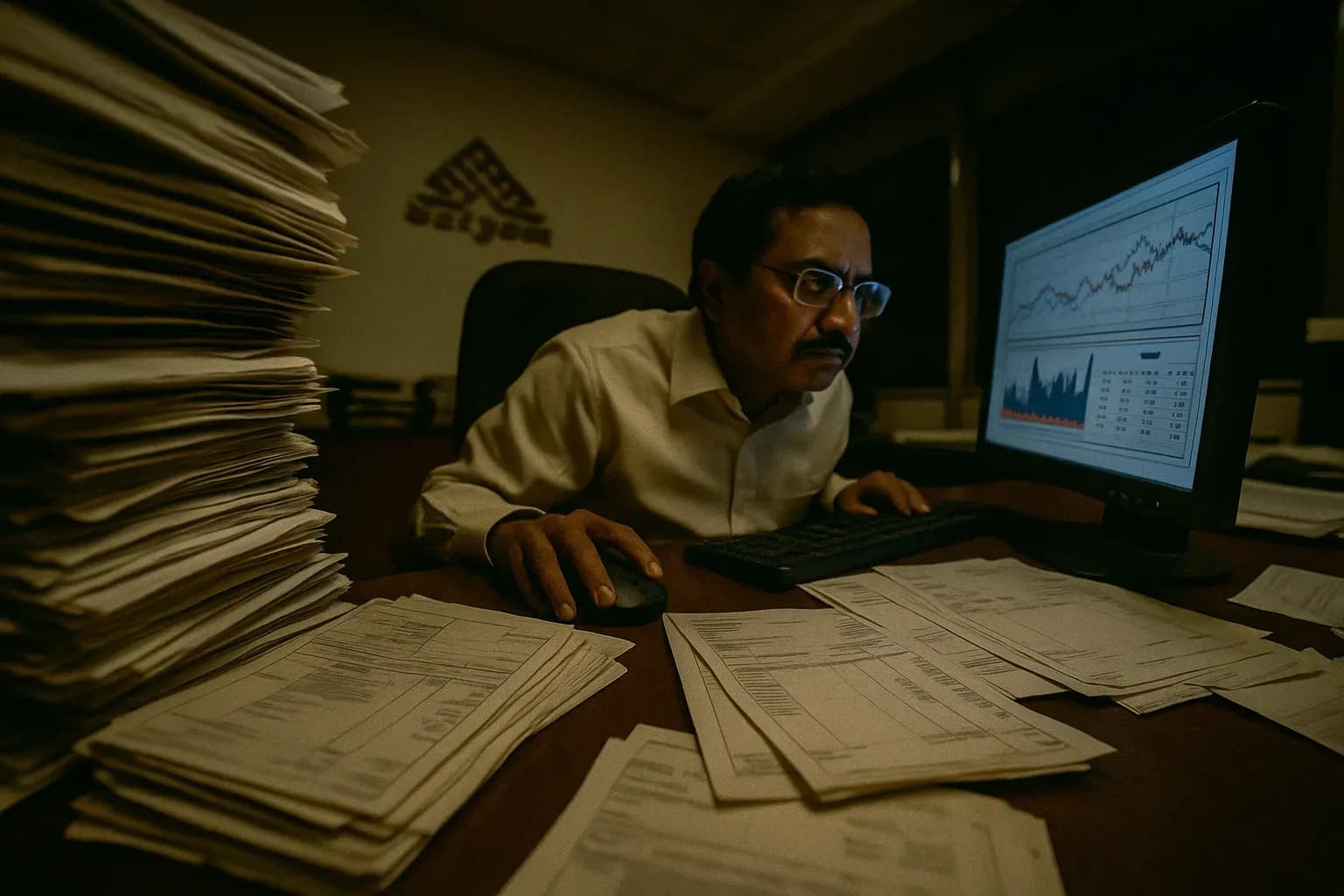
A cluttered office desk with stacks of forged invoices and documents, featuring a figure resembling B. Ramalinga Raju, focused intently on a computer screen displaying manipulated financial data at Satyam Computer Services.
CaseJune 6, 2025

Satyam: How India's IT Giant Hid $1 Billion in Fraud

In January 2009, Ramalinga Raju, founder and chairman of Satyam Computer Services—India's fourth-largest IT firm—confessed to a massive accounting fraud spanning at least seven years. The scheme involved fabricated clients, phony invoices, and fictitious cash balances totaling over $1 billion, roughly half the company's reported assets.

Economic crimeFraudScandal+20
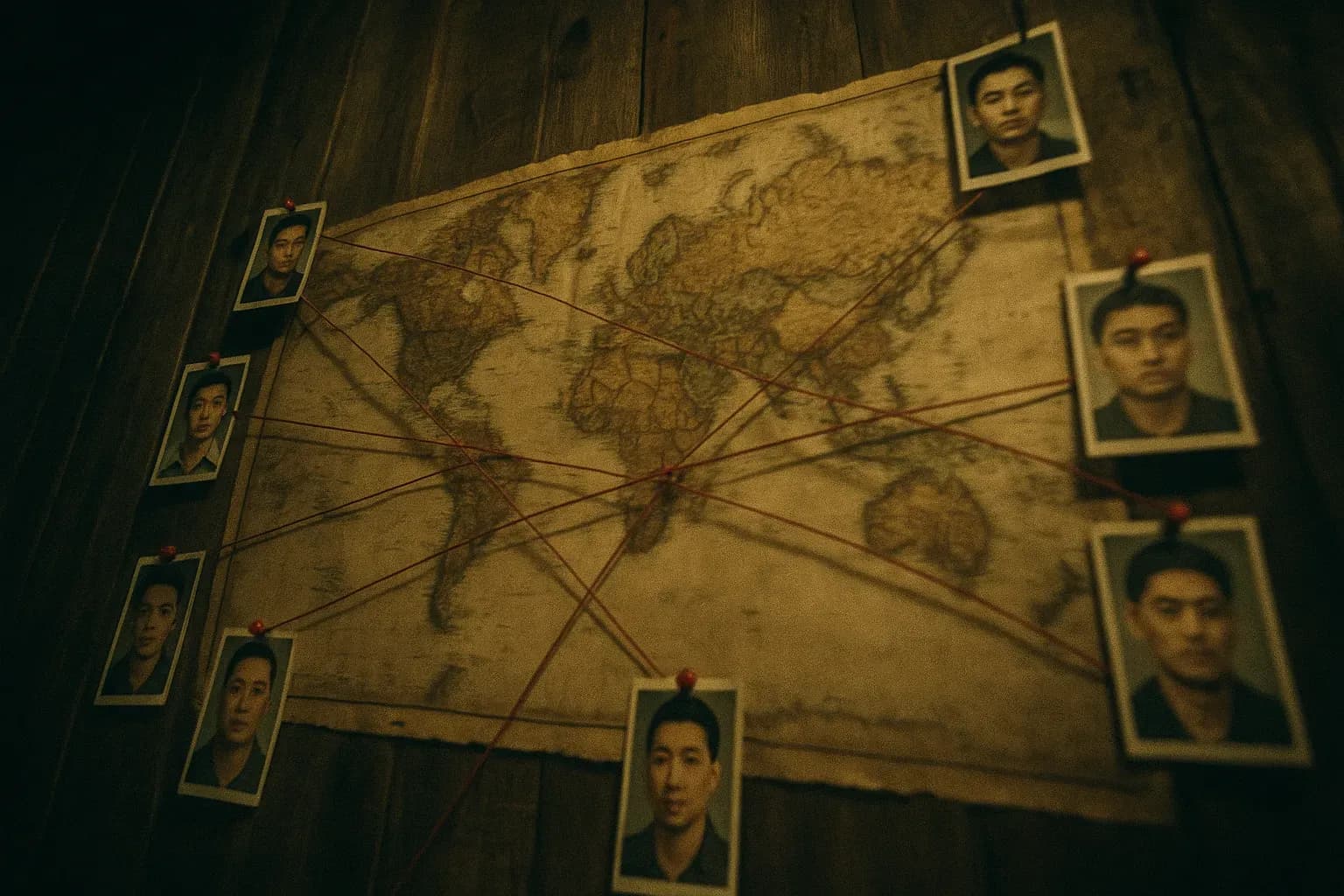
A weathered map of the world pinned to a wooden wall, red strings connecting various cities, with small photos of notable United Bamboo Gang leaders around it
CaseJune 6, 2025

United Bamboo Gang: Taiwan's Criminal Empire

The United Bamboo Gang, also known as Bamboo Union, has operated as Taiwan's largest criminal triad since its founding in 1956–1957, commanding approximately 20,000 members across 13 divisions and 68 branches. What began as a local protection racket has transformed into a sophisticated international criminal enterprise involved in drug trafficking, human smuggling, cyber fraud, and money laundering—with operations spanning California, Las Vegas, and mainland China.

MafiaCorruptionDrug lord+29
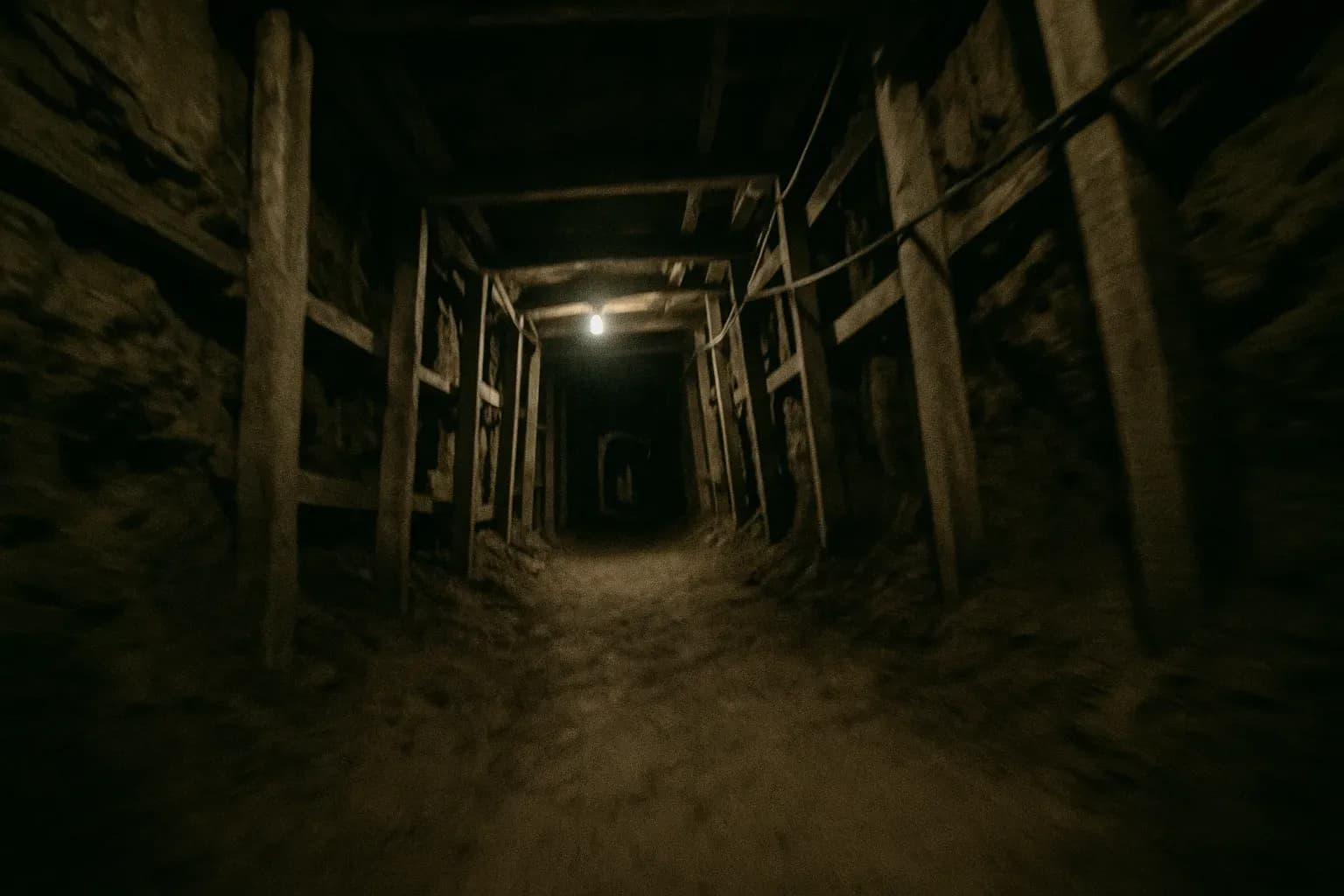
A dimly lit, clandestine tunnel beneath the U.S.-Mexico border, its walls lined with makeshift structural supports and trampled paths, symbolizes the Tijuana Cartel's smuggling operations and underground empire.
CaseJune 6, 2025

How a Mexican Cartel Controlled 40% of U.S. Cocaine—Then Vanished

The Tijuana Cartel, built by the Arellano-Félix family, once dominated North American cocaine distribution. Operating from Mexico's border region, it became one of the hemisphere's most violent criminal enterprises—before internal conflict and rival cartels dismantled its empire in just over a decade.

Drug lordCartelViolence+11
The roof of the United California Bank in Laguna Niguel, showing a gaping hole blasted with dynamite, surrounded by debris from the notorious 1972 heist linked to Amil Dinsio's gang.
CaseJune 6, 2025

The $12 Million Vault Heist That Allegedly Targeted Nixon

In March 1972, a team of thieves tunneled into the United California Bank in Laguna Niguel, California, and emptied 458 safe deposit boxes in what became the largest bank vault burglary in U.S. history at that time. Decades later, the mastermind would claim the heist was far more than simple theft—it was a calculated strike against President Richard Nixon.

Bank robberyCorruptionHigh-profile case+14

Showing first 20 of 26 posts. Use search or filters to find more.